Back to Industry Hub

Industry Guide

Entertainment & Media Careers for Young People

Step into entertainment and media, where creativity and collaboration are celebrated. From production to digital content, this industry values real-world skills and diverse perspectives.

Entertainment & media: explore where it could take you

What the industry covers

Entertainment and media covers film, TV, music, radio, podcasts, social content, games, journalism, live production and digital platforms. It is about creating, producing, sharing and managing content that informs or entertains people.


What kind of people thrive here?

This kind of work is usually creative and open to new ideas, fast-paced, with moments of pressure and shaped by customers, trends and demand. It can suit you if you like work that has a clear purpose, gives you room to grow, and connects your strengths to real tasks.

Creativity

You enjoy developing ideas and finding fresh ways to express or solve something.

Digital Skills

You are comfortable learning and using digital tools.

Communication

You can share ideas clearly and listen to other people.

Adaptability

You can adjust when priorities, tools or situations change.


Key industry insights

Look beyond the obvious employers

Local organisations, SMEs, charities, public bodies and specialist employers can offer valuable first steps, practical experience and clearer routes to responsibility.

Pay varies by role

Experience, responsibility, qualifications, employer and location all affect salary. Treat published figures as a guide rather than a guarantee.


How to start your entertainment & media career

  1. 1.Explore your strengths.

Think about whether you prefer creating, making, fixing, analysing, organising, supporting people or working with technology.

  1. 2.Research realistic pathways.

Look at apprenticeships, college courses, traineeships, volunteering, entry-level vacancies and local employers.

  1. 3.Build evidence.

Use school, college, work, volunteering or personal projects to show what you can already do.

  1. 4.Learn the language of the sector.

Read job descriptions, follow current developments and notice the skills employers mention repeatedly.

  1. 5.Apply before you feel perfect.

Employers do not expect beginners to know everything — they look for potential, reliability and willingness to learn.


Roles and career pathways

Where people often start

Look for opportunities in production, editing, social content, live events, podcasting, streaming, music, games, journalism and digital marketing. A showreel, portfolio or project examples help you stand out.

Where it can lead

Entertainment and media covers film, TV, music, radio, podcasts, social content, games, journalism, live production and digital platforms. It is about creating, producing, sharing and managing content that informs or entertains people. With experience, you may move into specialist, supervisory, management, consultancy or leadership work depending on the pathway you choose.

What employers value

Helpful skills include creativity, adaptability, communication, understanding the industry and building a portfolio. You do not need to be perfect at all of them straight away — these are strengths you can build through projects, volunteering, part-time work, courses, apprenticeships or simply practising.
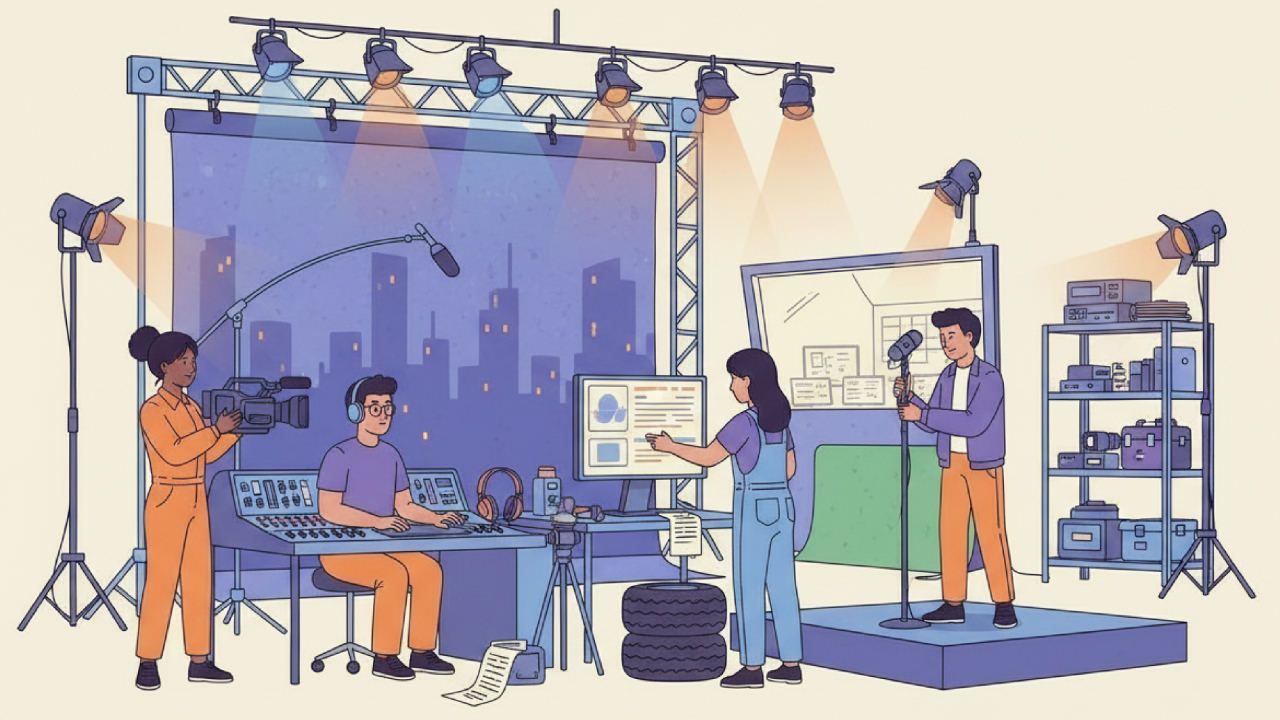

Skills employers value

Helpful skills include creativity, adaptability, communication, understanding the industry and building a portfolio. You do not need to be perfect at all of them straight away — these are strengths you can build through projects, volunteering, part-time work, courses, apprenticeships or simply practising.

  • Creativity
  • Digital Skills
  • Communication
  • Adaptability

Trends and useful preparation

Why this section matters

This field is changing. Showing that you understand what is happening — and that you are already taking small steps to prepare — can help you stand out.

Trends to watch

  • Market picture: Vacancies appear to be rising year on year (around +19.2%). That is roughly 3k more vacancies than the comparison period. The latest vacancy estimate is about 16k. This suggests there may be more openings, but it is still worth checking local employers and entry routes.
  • Opportunity areas: Look for opportunities in production, editing, social content, live events, podcasting, streaming, music, games, journalism and digital marketing. A showreel, portfolio or project examples help you stand out.
  • Things to be aware of: Things to be aware of: work can be competitive, project-based and deadline-heavy. Hours may vary, and building a portfolio or network often matters as much as applying for jobs.

Useful preparation

  • Bring examples such as videos, edits, writing, podcasts, social content, music, photography, event work or a showreel.
  • Talk about the audience and the role you played, not just the final result.
  • Show that you can handle deadlines, feedback and teamwork.
  • If you follow industry trends, mention one and explain why it matters.

Your next step

You do not need to be a finished expert to belong in entertainment & media. Start with curiosity, build evidence through small experiences and explore the pathway that fits how you work best.