Research
Offline & Thriving: Why Not Every Career Needs to Be Digital
23 September 2025
Written by: inyourroots® Research Team
Rediscovering Real-World Skills, Connections, and Opportunities
Introduction
In a world obsessed with screens, apps, and online everything, it’s easy to forget: not every great job or fulfilling career happens behind a laptop. While digital skills are important, they aren’t the only route to success or happiness. Many young people are asking: Is “more tech” always better? And what happens if you want a future that’s more hands-on, face-to-face, or simply less online?
This article explores the jobs and pathways where digital isn’t king, the risks of digital overload, and why real-world skills and connections still matter, especially for young people in Hertfordshire, Essex, and Suffolk.
1. The Hidden Power of Non-Digital Jobs
Not every opportunity is online, and not every job requires digital skills. Across the UK, there’s a huge range of roles that rely on practical skills or creativity, not coding or spreadsheets.
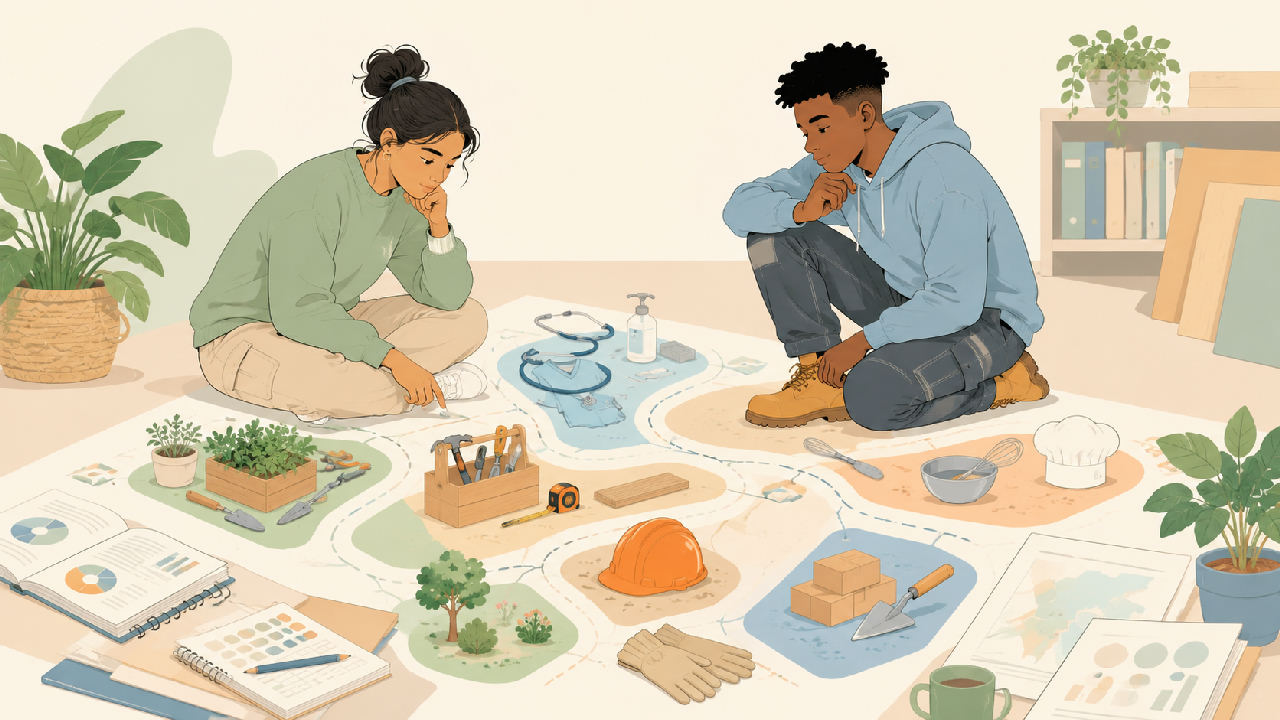
Examples of Non-Digital or Low-Tech Careers:
- Trades: Plumbers, electricians, carpenters, decorators, mechanics, bricklayers, roofers, gardeners, landscape designers.
- Care & community: Nursery workers, carers, support staff, teaching assistants, youth workers, sports coaches.
- Creative & performing arts: Dancers, actors, musicians, stage crew, art therapists, potters, printmakers.
- Hospitality & food: Chefs, bakers, baristas, servers, butchers, farm workers, delivery drivers.
- Animal care: Vets, groomers, stable hands, dog walkers, zookeepers.
- Retail & service: Shop assistants, market traders, florists, postal workers, warehouse staff.
- Emergency & public services: Firefighters, paramedics, refuse collectors, park rangers, police community support officers.
- Green jobs: Conservation workers, park wardens, tree surgeons, recycling operatives, groundskeepers.
“I love working with my hands and being outside. I never wanted an office job, and I don’t need a fancy laptop to be good at what I do.”
— Landscape gardener, Suffolk
Why These Roles Matter:
- Many are in high demand locally and can’t be automated or outsourced.
- They offer real satisfaction, teamwork, and the chance to see the results of your work.
- They’re accessible to those who prefer learning by doing, not just by clicking.
2. The Downsides of “Always Online”: When Digital Isn’t Enough
Digital Burnout & Mental Health
- Constant notifications, pressure to be “always available,” and endless scrolling can increase anxiety.
- Young people report feeling overwhelmed by information, comparison, and the pressure to build a “personal brand” online.
FOMO, Comparison & Social Media Fatigue
- Social media can make people feel left behind, not good enough, or stuck in a cycle of comparing their lives to others.
- Real conversations and in-person community can be a powerful antidote.
Information Overload
- Too many choices and conflicting online advice can make career decisions harder, not easier.
- Sometimes, a trusted real-world mentor or employer is more helpful than a hundred TikTok “career hacks.”
Loss of Practical Skills
- Over-reliance on tech can mean missing out on face-to-face communication, teamwork, and hands-on problem-solving.
- “Soft skills” like listening, empathy, and adaptability are valued in every workplace, digital or not.
Digital Exclusion by Design
- Not all digital platforms are accessible or inclusive. Neurodivergent, disabled, or less tech-savvy users can be left behind by complicated systems or inaccessible websites.
Cyberbullying & Online Risks
- Young people face real risks from scams, cyberbullying, and privacy breaches online, issues that are rarely encountered in hands-on, in-person work.
3. The Value of Real-World Skills & Connections
In-Person Support Is Still the Gold Standard
- National surveys show young people rate in-person advice from parents, teachers, and mentors as more useful than online sources.
- Local employers often value reliability, practical skills, and attitude over digital know-how.
Learning by Doing
- Apprenticeships, work experience, and volunteering build confidence, resilience, and problem-solving skills that can’t be learned from a screen.
- Many non-digital jobs offer clear progression routes, from trainee, to skilled worker, to business owner.
Community and Local Networks
- Word of mouth, local recommendations, and face-to-face networking still open doors, especially in trades, care, hospitality, and creative sectors.
4. A Balanced Future: Mixing Digital and Non-Digital Paths
It’s not about rejecting digital, it’s about finding the right mix.
- Even in “offline” jobs, basic digital skills (like using email or online booking) can help, but they aren’t the main event.
- Young people can choose a path that matches their strengths: hands-on, creative, outdoors, or people-focused.
- Employers increasingly recognise the value of practical skills and real-world experience, not just digital certificates.
“I use my phone for rotas and messaging, but most of my job is with people, not screens. That’s what I love.”
— Care worker, Essex
5. What Needs to Change?
- Champion non-digital pathways: Schools, careers services, and employers should celebrate hands-on, practical, and community-based jobs, not just digital careers.
- Support wellbeing and balance: Help young people set healthy boundaries with tech, and value downtime and real-life connection.
- Make offline opportunities visible: Promote apprenticeships, volunteering, and local work experience in trades, care, arts, and green jobs.
- Tackle digital exclusion, but don’t make it a barrier: Ensure everyone can access essential services, but don’t assume “digital first” is always best.
- Value lived experience: Recruiters and educators should recognise the skills gained from family, community, and real-world challenges, not just online courses or digital badges.
Conclusion
Digital skills open doors, but they’re not the only keys to a happy, successful career. For many young people, the most rewarding work is hands-on, people-powered, and rooted in the real world. By recognising the risks of digital overload and celebrating non-digital jobs, we can help everyone find a path that fits. On and offline.
Want to explore local non-digital job opportunities or connect with hands-on training in Hertfordshire, Essex, or Suffolk? Visit inyourroots® for guides, real stories, and support - no screens required.