Content Hub / Explore
Crafts & Making
Whether it's pottery, knitting, jewellery-making, or paper crafts — if you love making things with your hands, you've got skills that translate into product design, manufacturing, fashion, theatre production, and small business.
Where this leads
Arts & Culture
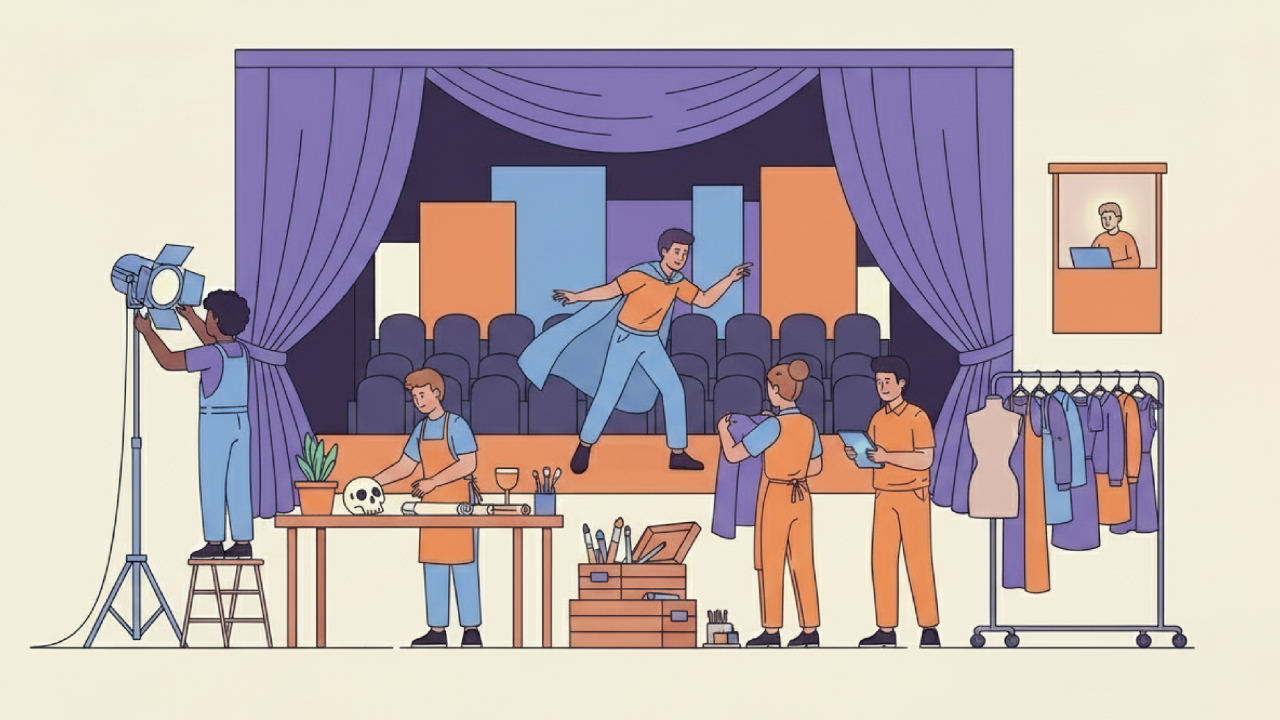
Bring ideas to life and shape how people experience the world. Arts and culture careers reward creativity, passion, and the courage to express yourself — with growing opportunities in digital, live events, and community programmes.
Creative Industries
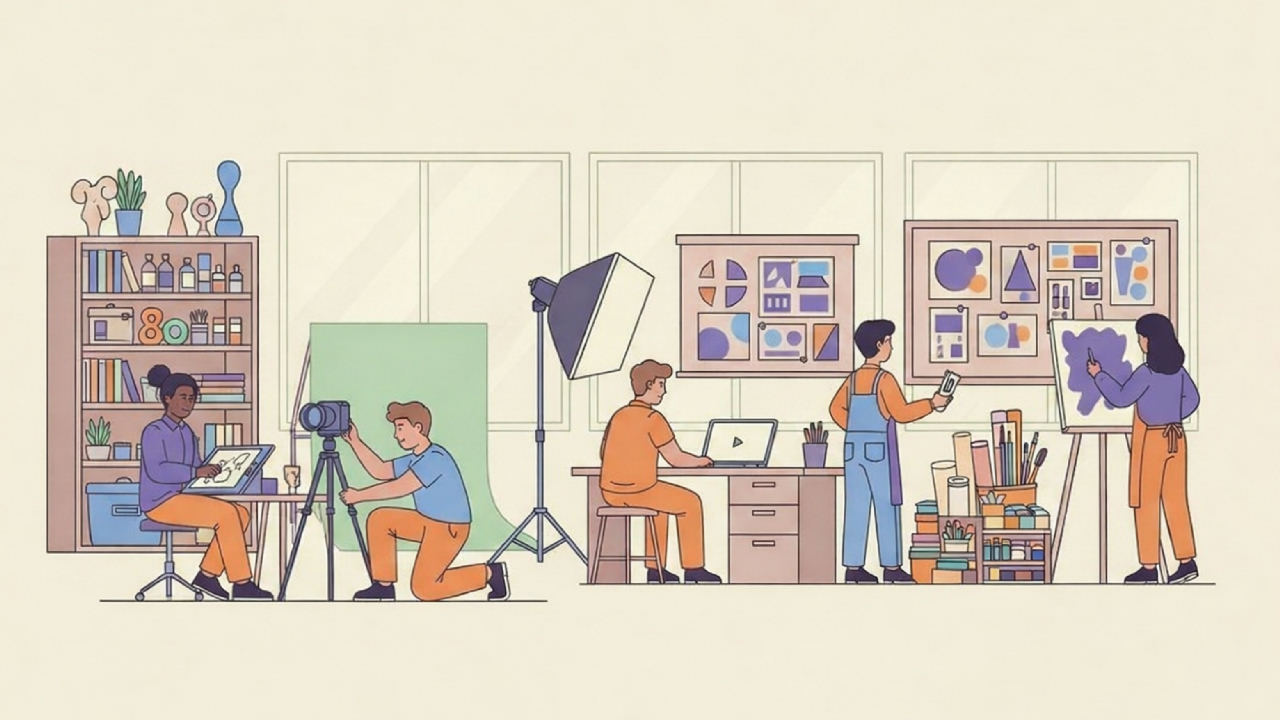
Express your strengths in the creative industries—arts, design, media, and more. This sector champions fresh ideas, inclusivity, and authentic self-expression, with accessible roles for every talent.
Fashion
Join the fashion industry, where creativity, attention to detail, and collaboration drive success. Discover accessible roles in design, retail, and production, all supporting local brands and trends.
Manufacturing
Discover manufacturing careers, where practical skills and attention to detail drive innovation. Accessible roles support local industry and sustainable production.
Retail & Consumer Goods
Build your career in retail & consumer goods, where people skills and adaptability shine. Accessible opportunities support local businesses and drive community connections.
Crafts & Making is about turning materials and ideas into objects with care, creativity and your own style. It may feel like “just a subject” or “just something you enjoy”, but it can reveal useful strengths, working preferences and routes into the real world.
- knitting, crochet or sewing
- pottery, jewellery or paper crafts
- making gifts or decorations
- following patterns and tutorials
- experimenting with materials, colour and texture
Crafts & Making is a useful clue, not a label. It shows what catches your attention, how you approach challenges and what kind of progress feels satisfying. You do not need to be the best at it for it to count. Curiosity, practice and the way you respond when something goes wrong can all be evidence of strengths.
Budi combines this signal with your other interests, experiences and preferences. One activity can lead towards several industries, and the same strength can show up in many different jobs.
- planning a design and choosing materials
- using tools and techniques safely
- working accurately with your hands
- learning through prototypes and mistakes
- finishing and presenting work well
- creativity
- patience
- fine attention to detail
- resourcefulness
- focus
- pride in quality
- Craft production and small business
- Fashion, textiles and costume
- Product and surface design
- Theatre, film and events
- Manufacturing and quality work
- Community arts and creative education
These are examples rather than a fixed list. Entry routes can include college, sixth form, apprenticeships, volunteering, short courses, self-directed projects and learning on the job.
Easy start: Finish one small item using materials you already have.
Medium: Try a new technique and photograph each stage.
Stretch: Cost, make and present a small product as if you were selling it.
When Budi sees crafts & making, it looks for evidence in what you actually did: the decisions you made, skills you practised, problems you solved and ways you helped other people. It uses those signals to suggest role types, industries and realistic next steps. It is here to widen your options, not box you in.
There is no single “right” way to take part. You can adapt the pace, tools, environment, communication method or physical demands. Digital versions, assistive technology, seated approaches, quieter spaces, extra processing time and support from another person can all count. Choose safe, accessible settings and ask schools, clubs, training providers or employers about reasonable adjustments. Watching, planning, researching, organising and supporting others are real forms of participation too.
- Art & Design
- Fashion & Textiles
- Upcycling & Restoration
- Woodworking & Carpentry
- Model Building