Content Hub / Explore
Fishing
Fishing isn’t just about catching fish — it builds patience, observation skills, and a deep connection to the natural environment. It links to careers in marine science, environmental conservation, leisure management, and food production.
Where this leads
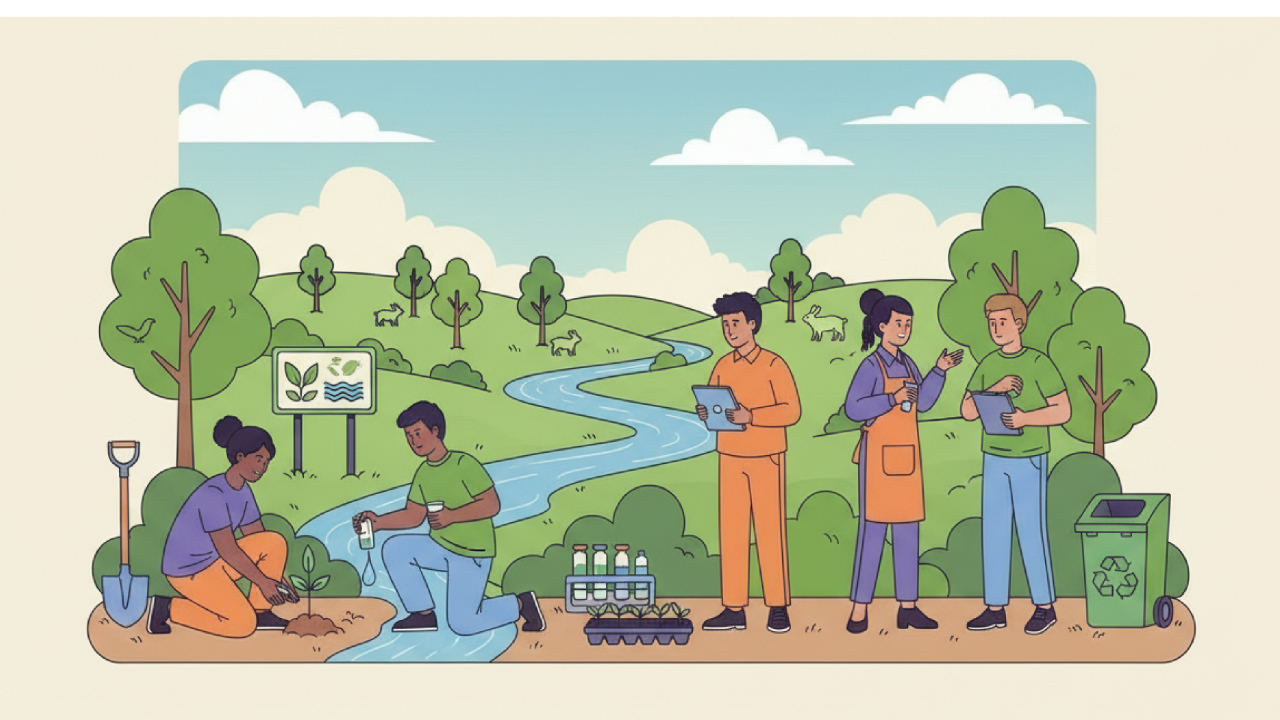
Environmental Services
Make a local impact in environmental services. Roles focus on sustainability, conservation, and community health—ideal for those passionate about protecting our planet and supporting local initiatives.
Food & Beverage
Explore food & beverage careers, from kitchens to supply chains. This industry values teamwork, adaptability, and a passion for quality, with roles that support local producers and communities.
Marine & Maritime
Explore the marine & maritime industry, offering unique opportunities for teamwork, problem-solving, and adventure. Roles support local economies and environmental stewardship.
Sports & Leisure
Get active in sports & leisure, where teamwork, motivation, and leadership are celebrated. Accessible roles range from coaching to management, all supporting local wellbeing.
There's something deeply calming about being on the water or by a riverbank, waiting for a bite. Fishing teaches patience, observation, and a respect for the natural world. Whether you're fly fishing in a mountain stream, coarse fishing on a local canal, or sea fishing off a boat, you're developing skills that matter far beyond the angling world.
- Fishing at your local canal, river, or beach
- Joining a fishing club or angling society
- Watching fishing documentaries or learning about different species
- Building or customising fishing tackle and equipment
- Participating in fishing competitions or match fishing
- Exploring different fishing techniques (fly fishing, bait fishing, lure fishing)
- Keeping fishing journals or logs of your catches and observations
Fishing is an excellent strength signal because it develops patience, observation, environmental awareness, and the discipline to learn a complex skill. Fishing requires you to understand ecosystems, read conditions (weather, water temperature, seasons), and adapt your approach based on feedback. You're learning to sit with uncertainty, manage frustration, and celebrate small wins. These psychological and observational skills are essential in scientific careers, environmental work, and any field requiring sustained focus and adaptability.
- Reading water conditions and identifying where fish are likely to be
- Learning species identification and understanding fish behaviour
- Maintaining and maintaining fishing equipment and tackle
- Mastering casting techniques and line control
- Tying knots and lures with precision and care
- Recording observations in fishing logs and learning from patterns
- Planning fishing trips: locations, seasons, weather, legal regulations
- Problem-solving when your approach isn't working
- Patience: You sit quietly, waiting, managing your expectations
- Observation: You notice subtle changes in water, weather, and behaviour
- Environmental stewardship: You respect ecosystems and conservation principles
- Focus and concentration: You sustain attention over long periods
- Adaptability: You adjust your technique based on conditions
- Technical skill: You learn complex systems (knots, equipment, biology)
- Resilience: You embrace both success and the "ones that got away"
- Marine and environmental science: Marine biologists, conservation officers, and environmental consultants use observational skills fishing teaches
- Food production and aquaculture: Aquaculture technicians and fisheries managers work with fish stocks and sustainable practices
- Outdoor education: Field instructors and nature educators teach others to understand and respect aquatic environments
- Tourism and leisure management: Guide services, fishing resorts, and outdoor recreation companies need people who understand fishing and can share that passion
- Environmental conservation: Conservationists work to protect fish populations and water ecosystems
- Ecology and field research: Field ecologists conduct long-term observations and data collection
- Retail and equipment specialists: Fishing shops need knowledgeable staff who understand tackle, techniques, and gear
Easy start: Visit your local fishing shop and chat with staff about what species are catchable near you. Invest in a basic rod, line, and tackle — you don't need to spend much. Spend an afternoon by the water just observing where fish might be, even if you don't fish yet.
Medium: Take a beginner's fishing lesson or join a local angling club. This connects you with experienced fishers who can teach you proper technique and introduce you to different fishing styles. Keep a simple log of your trips, conditions, and what you catch.
Stretch: Work towards a fishing qualification or compete in a match fishing event. These push your technical skills and connect you to the broader angling community. Consider exploring a specialised fishing style (fly fishing, sea fishing, competition angling) and developing real expertise.
Fishing signals patience, observation, environmental awareness, and the ability to engage in complex learning. We're looking for evidence that you can sustain focus, adapt to changing conditions, and develop respect for natural systems. These are hallmarks of people who thrive in scientific, environmental, outdoor, and research-oriented careers. Anglers also typically demonstrate resourcefulness and the ability to troubleshoot — valuable across industries.
Fishing can be adapted for many accessibility needs. If you're deaf or hard of hearing, fishing actually doesn't require sound — you're reading visual cues and feeling vibrations in your line. If you use a wheelchair, adapted fishing platforms and floating chairs exist; many waters have accessible fishing platforms. If you have limited hand strength, different rod types and reel designs can accommodate various grip needs. If you have anxiety, the sensory experience of fishing — quiet, rhythm, being in nature — is actually therapeutic for many neurodivergent people. Start with the conditions and locations that feel manageable for your body, and build from there.
- Marine & Maritime Studies (understanding water ecosystems and careers)
- Bird Watching & Wildlife (observation and environmental connection)
- Agriculture & Land-based Studies (understanding natural systems)
- Outdoor adventure activities (hiking, camping, kayaking)
- Photography & Videography (capturing nature's moments)
- Environmental science and conservation
- Food & Nutrition (understanding where food comes from)