Content Hub / Explore
Property & Interior Design
Love watching home renovation shows, redesigning your room, or dreaming about property? This interest blends creativity with practical thinking. It connects to architecture, interior design, real estate, construction, and project management.
Where this leads
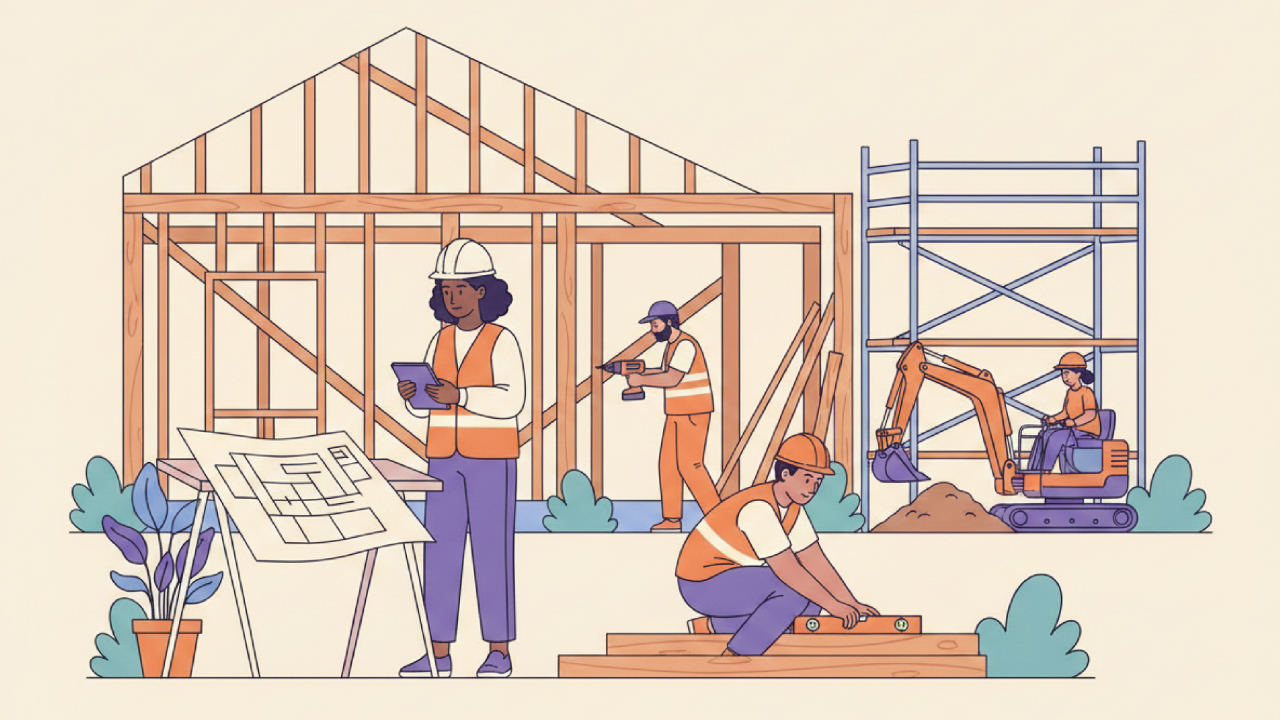
Construction
Build your future in construction, an industry that values practical skills, teamwork, and creative thinking. Opportunities range from hands-on work to project management, all rooted in local development.
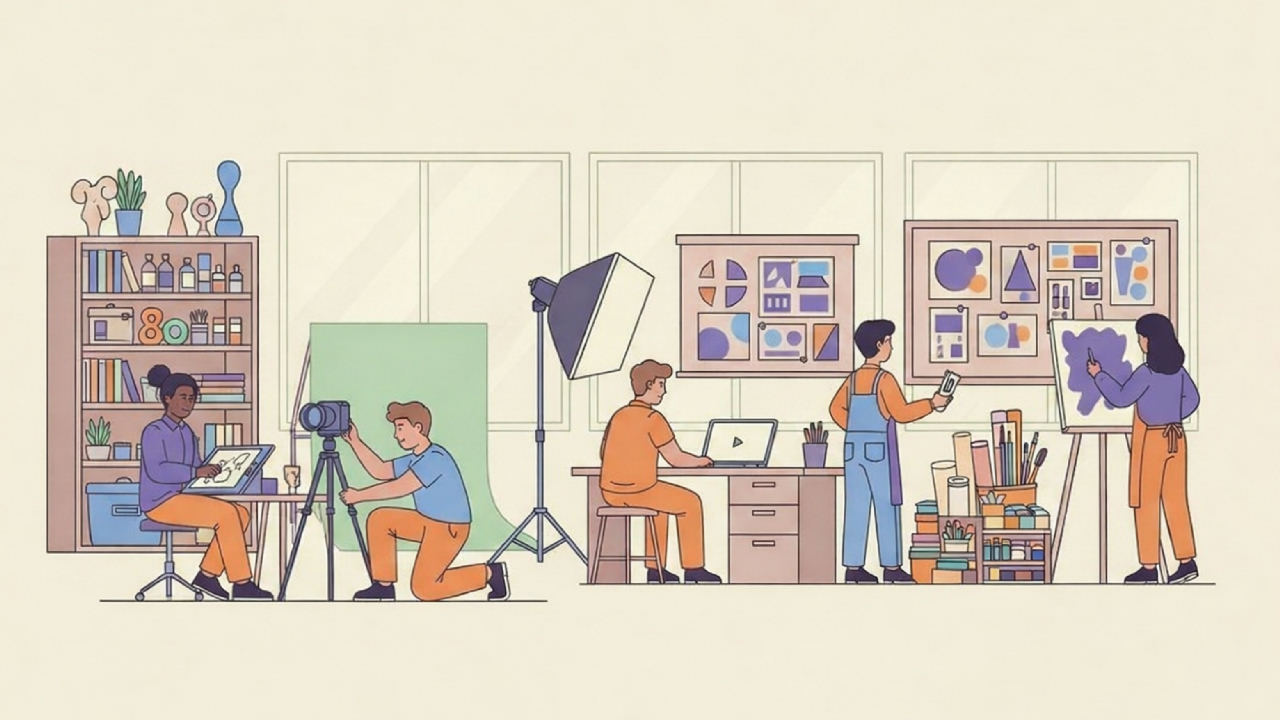
Creative Industries
Express your strengths in the creative industries—arts, design, media, and more. This sector champions fresh ideas, inclusivity, and authentic self-expression, with accessible roles for every talent.
Real Estate & Property Development
Find your fit in real estate & property development, where communication, organization, and negotiation skills are valued. Accessible roles support local housing and community projects.
Retail & Consumer Goods
Build your career in retail & consumer goods, where people skills and adaptability shine. Accessible opportunities support local businesses and drive community connections.
Do you spend time imagining how spaces could be transformed? Whether you're redesigning your bedroom on a budget, binge-watching home renovation shows, or scrolling through interior design inspiration, you're exercising a genuinely valuable skill. Property and interior design blend creativity with problem-solving, aesthetics with functionality. It's about making spaces work better and feel better.
- Redesigning your room or living space on a budget
- Following interior design accounts on Instagram or Pinterest
- Watching home renovation and property shows (Grand Designs, Love It or List It, etc.)
- Imagining property potential (that quirky flat could be amazing with paint and furniture)
- Using design apps or virtual room planners
- Shopping for furniture, fabrics, and décor with intention
- Reading about architecture and design trends
- Helping friends or family reimagine their spaces
Interior design and property interest is a strength signal because it shows you can visualise spatial relationships, balance aesthetics with practicality, and think strategically about how environments shape experience. You're developing an eye for colour, proportion, flow, and function. You understand that spaces aren't neutral — they influence how people feel and behave. This blend of creative vision and practical thinking is exactly what architects, designers, project managers, and real estate professionals need.
- Visualising spatial possibilities and imagining transformations
- Understanding colour theory, lighting, and how these affect mood
- Researching materials, finishes, and durability for different applications
- Planning budgets and finding cost-effective solutions
- Measuring spaces and understanding spatial dimensions
- Sourcing furniture and décor from various suppliers
- Creating mood boards or design concepts
- Problem-solving around constraints (small spaces, limited budgets, structural limitations)
- Creativity: You imagine possibilities others don't see
- Visual thinking: You understand proportion, colour, and spatial relationships
- Project management: You coordinate multiple elements towards a coherent whole
- Attention to detail: You notice how small choices compound into overall experience
- Problem-solving: You work within constraints creatively
- Communication: You translate vision into briefs and plans others can understand
- Resourcefulness: You find elegant solutions without unlimited budgets
- Architecture and design: Architects, interior designers, and design studios create the physical environments where we live and work
- Real estate and property development: Property developers, estate agents, and valuation surveyors shape how property is bought, sold, and developed
- Retail and visual merchandising: Retail designers and visual merchandisers create compelling shopping environments
- Hospitality and events: Hotel designers, restaurant consultants, and event designers create memorable experiences
- Project management: Construction project managers and site managers oversee complex transformations
- Facilities management: Facilities managers optimise how organisations use their physical spaces
- Urban planning and regeneration: Urban planners shape communities and public spaces
Easy start: Choose one small space (a corner, a shelf, a wall) and completely redesign it. Set a modest budget, source new items, and document the before and after. Notice what makes it feel better and what you'd do differently.
Medium: Help a friend or family member redesign a room. Create a mood board, source furniture and décor, and oversee the transformation. This forces you to translate your vision into a collaborative project and understand real constraints (budget, timelines, other people's preferences).
Stretch: Take an online interior design course or attend a workshop. Study real projects and understand the decisions behind them. Consider developing a portfolio of redesign ideas (using apps or sketches) to showcase your thinking.
When we see property and interior design interest, we're noting evidence of spatial thinking, aesthetic judgement, and the ability to balance creativity with practicality. We're looking for people who understand that environments shape behaviour and who can envision and execute transformations. These skills signal readiness for careers in design, architecture, real estate, project management, and any field requiring spatial thinking and aesthetic sensibility.
Interior design thinking is accessible to people with various physical abilities — you're using your mind as much as your hands. If you use a wheelchair or have mobility challenges, understanding accessible design — doorways, turning radiuses, reachable storage — is increasingly valuable and appreciated. If you're blind or have low vision, you can work with texture, proportion, and spatial flow; tactile mood boards can be as effective as visual ones. If you have ADHD, the creative problem-solving aspect of design might be deeply engaging, even if the execution feels overwhelming — consider collaborating with detail-oriented people. Neurodivergent folks often have strong spatial or aesthetic thinking; design fields increasingly recognise these strengths.
- Architecture and the built environment (understanding how buildings are designed and constructed)
- Art and Design (developing aesthetic vision)
- Photography & Videography (capturing spaces and lighting)
- Sustainable design and green building (creating beautiful spaces responsibly)
- Fashion & Textiles (colour, proportion, and self-expression through materials)
- Project management and organisation
- Psychology & human behaviour (understanding how environments influence people)