Unemployment vs NEET (parents/educators explainer)
Unemployment and NEET are not the same, and mixing them up can hide who is most at risk. This page explains the difference in plain English, why the early months matter, and what support looks like in real life. It also shares a few calm, practical steps parents and educators can take this week.
Written by: Frankie Brookton, Founder, inyourroots®
Unemployment and NEET are not the same. Mixing them up can hide who is most at risk.
The headlines often use these words like they mean the same thing. They do not.
Understanding the difference matters because it changes what support looks like, and who might be quietly slipping further away from opportunity.
Youth unemployment vs NEET (in plain English)
- Youth unemployment usually means a young person is not working, but they are actively looking for work and available to start.
- NEET means a young person is not in education, employment, or training.
Some people who are NEET are looking for work. Others are not currently looking, for reasons that can include health, caring responsibilities, confidence, or feeling shut out by the system.
That is why NEET can be a quieter risk. It can point to longer-term disconnection.
A simple example (so it clicks)
Imagine two young people, both not currently in a job:
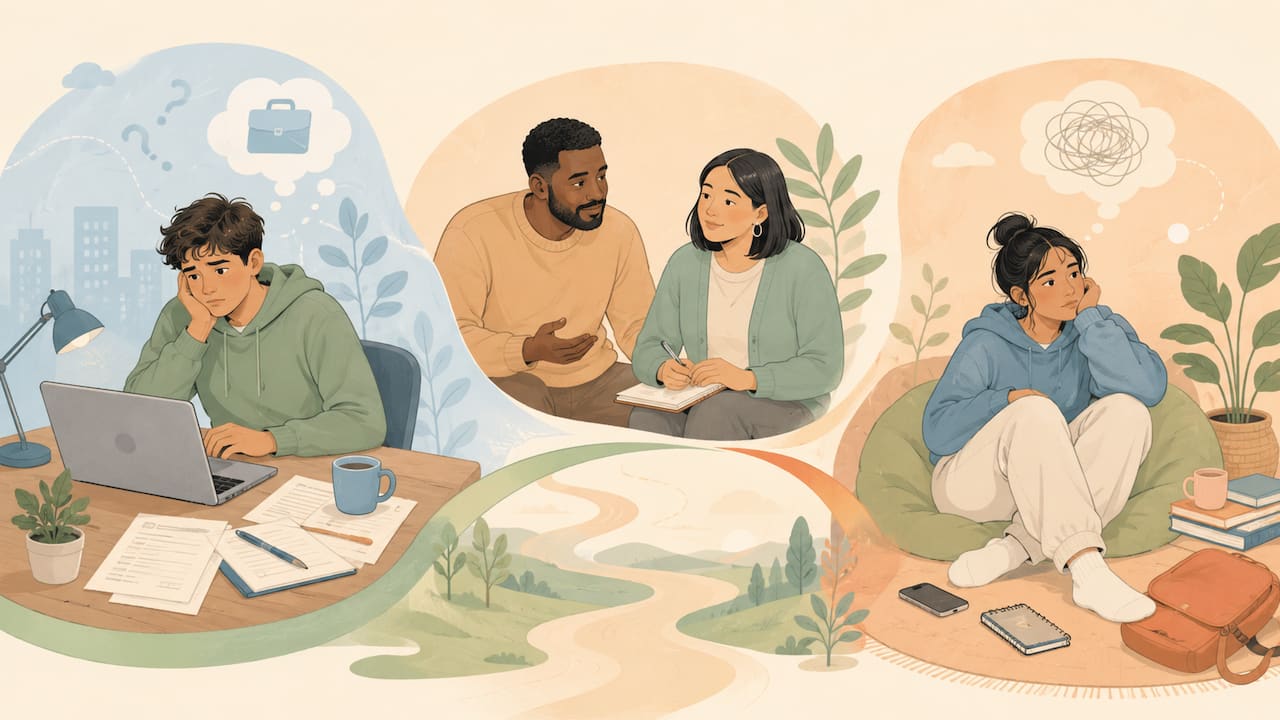
- Sam is applying for roles, checking emails, and ready to start. Sam is likely counted as unemployed.
- Aisha has stopped applying after months of rejection, feels anxious about interviews, and is not sure what to do next. Aisha may be counted as NEET, and possibly economically inactive.
Both deserve support. They just need different kinds of first steps.
Why early months matter
The first months out of work or education can be a turning point.
When rejection piles up, it can start to feel personal. Routine slips. Confidence drops. The gap grows.
The earlier we make the next step feel smaller and more human, the easier it is to rebuild momentum.
What helps young people reconnect (without pressure)
Support that works is usually practical, not performative.
- Name strengths first: what they are good at, what energises them, what people thank them for
- Shrink the next step: one call, one visit, one practice interview, one short application
- Build proof: small projects, tasters, volunteering, work samples
- Keep routines steady: sleep, food, movement, and a reason to leave the house
- Stay calm: shame makes people hide, calm makes people talk
If a young person is neurodivergent, the “right” next step may also need comfort adjustments, clearer language, and less pressure.
If you’re a parent or educator: what you can do this week
Pick one small action that builds connection:
- 1.Ask one strengths question: “When do you feel most like yourself?”
- 2.Choose one practical step: a practice run to a workplace, a short call, a local visit
- 3.Create one proof tile: a small example they can show, even if it is not “work”
- 4.Offer one steady check-in: “Do you want help, or do you want company while you do it?”
The goal isn’t to fix everything this week. It’s to restart motion.
Related reads
- NEET in the UK, what the numbers really mean
- First chances in a changing job market