Content Hub / Explore
3D Printing & Modelling
Into designing objects on screen and bringing them to life with a 3D printer? This hobby sits right at the crossroads of design, engineering, and manufacturing — and it's one of the fastest-growing skill sets in industry.
Where this leads
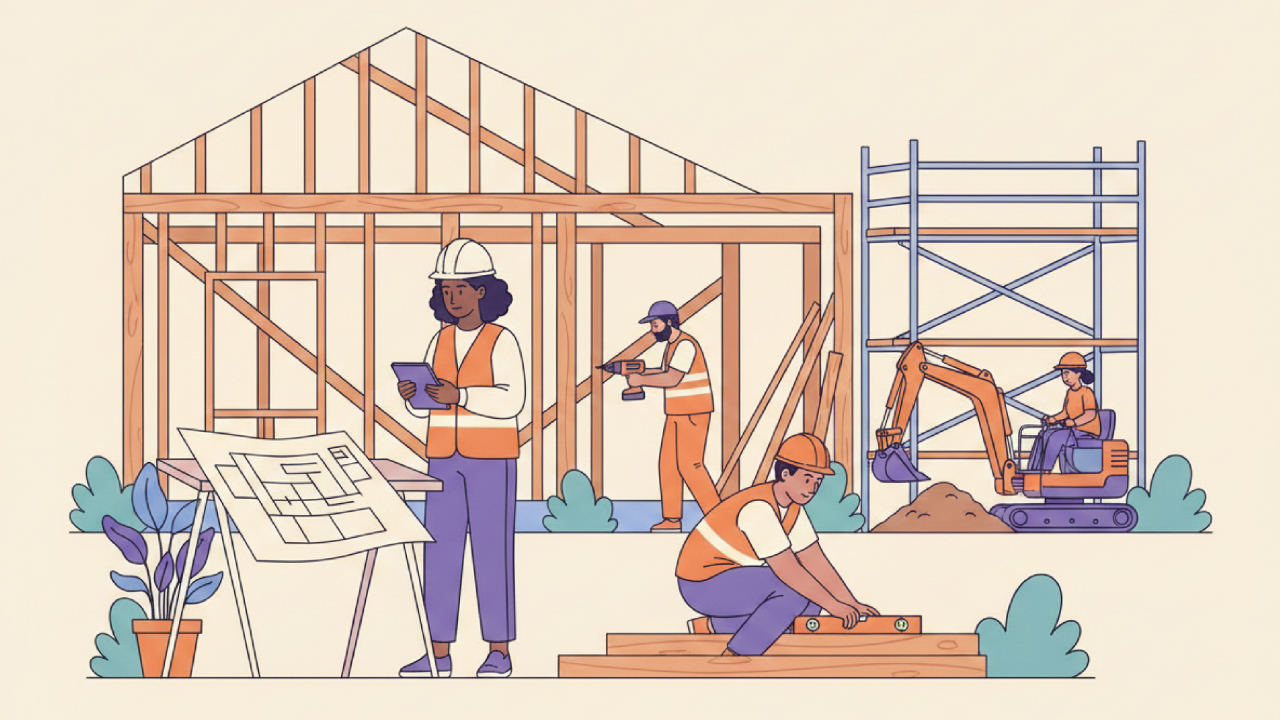
Construction
Build your future in construction, an industry that values practical skills, teamwork, and creative thinking. Opportunities range from hands-on work to project management, all rooted in local development.
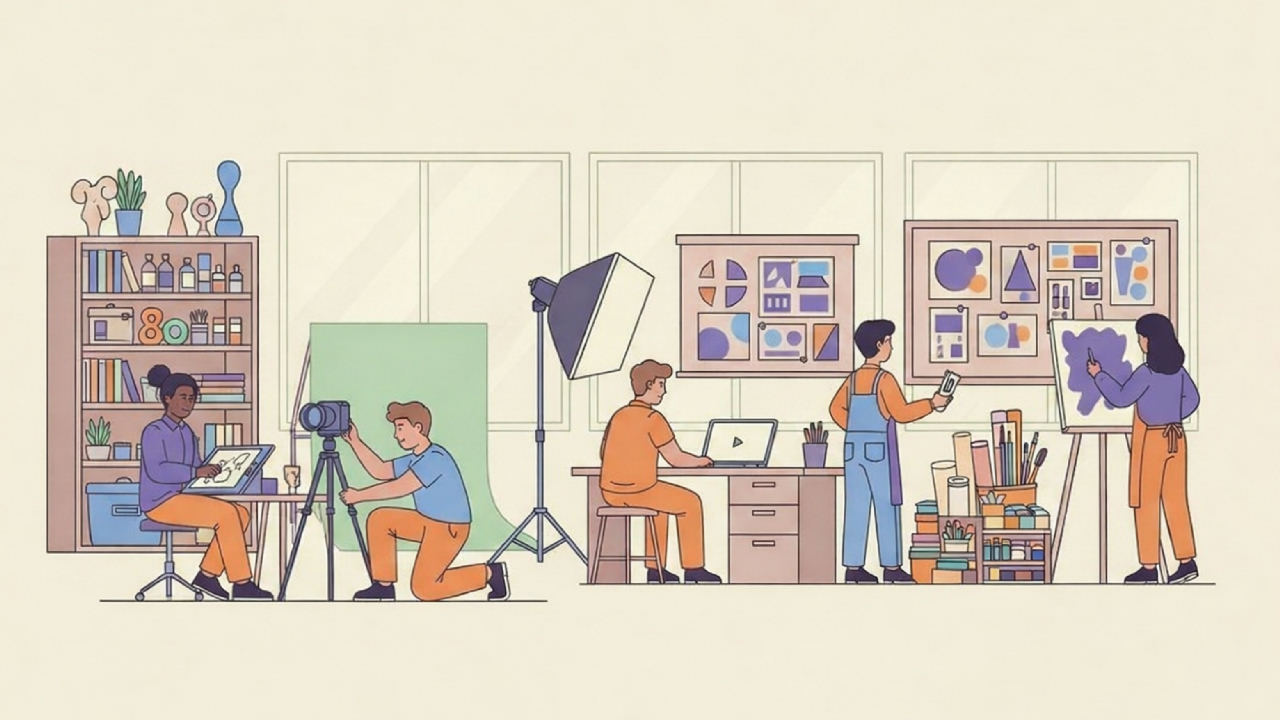
Creative Industries
Express your strengths in the creative industries—arts, design, media, and more. This sector champions fresh ideas, inclusivity, and authentic self-expression, with accessible roles for every talent.
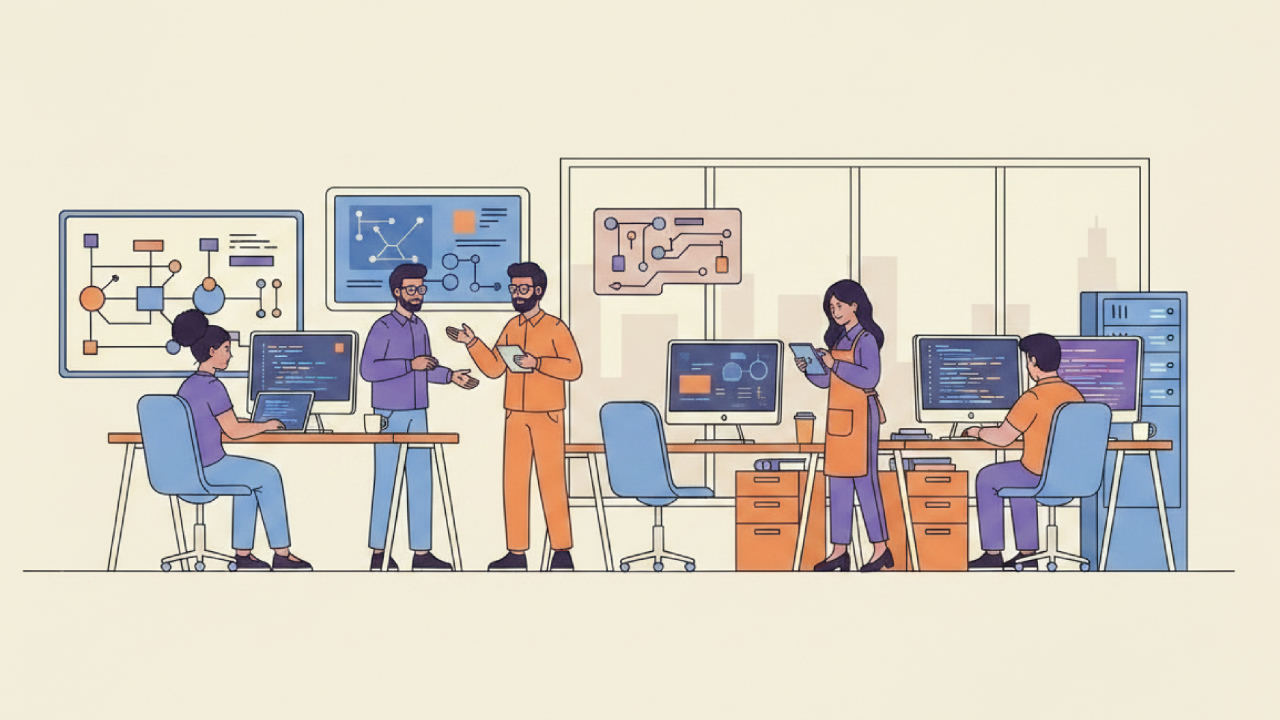
Digital & Tech
Digital and tech careers are perfect for curious, adaptable problem-solvers who love working with technology and new ideas. Whether you’re interested in coding, design, IT support, or digital innovation, this sector values creativity, teamwork, and a drive to keep learning.
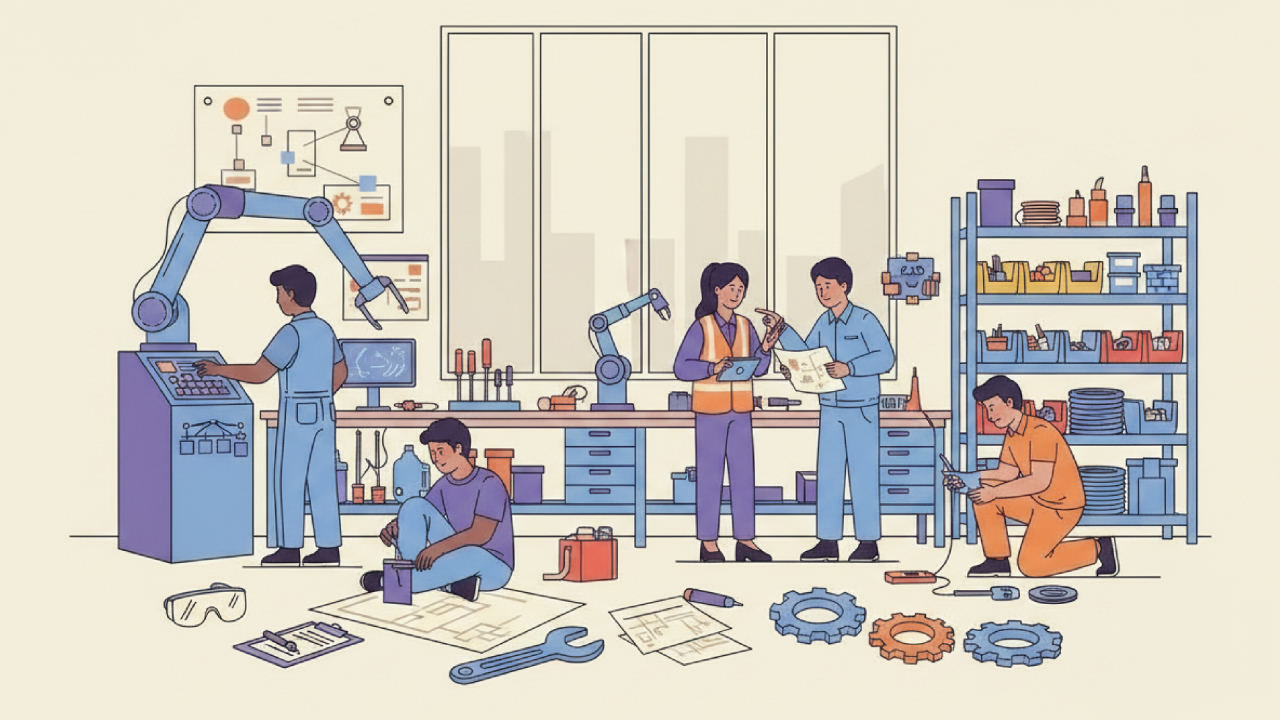
Engineering
Engineering offers pathways for problem-solvers and makers. Whether you love building, designing, or improving systems, your skills can help drive local innovation and sustainable solutions.
Manufacturing
Discover manufacturing careers, where practical skills and attention to detail drive innovation. Accessible roles support local industry and sustainable production.
There's something magical about designing something on a computer and watching a machine bring it to life in three dimensions. 3D printing and modelling sit at the intersection of digital creativity, engineering, and manufacturing — and they're reshaping entire industries from healthcare to fashion to aerospace.
- Learning CAD (Computer-Aided Design) software like Fusion 360 or FreeCAD
- Designing objects on Tinkercad or Blender (free, beginner-friendly tools)
- Printing designs on a 3D printer at school, library, or maker space
- Following 3D design communities and printing communities online
- Experimenting with prototyping and iterating designs
- Combining 3D printing with other hobbies (gaming miniatures, cosplay parts, useful household items)
- Exploring additive manufacturing and how it's transforming manufacturing
- Customising or improving existing designs
3D printing and modelling is a powerful strength signal because it demonstrates spatial reasoning, digital literacy, problem-solving, and creativity all at once. You're not just creating pretty things — you're thinking about structure, material properties, manufacturing constraints, and real-world function. This is the mindset of engineers, product designers, and innovators. The ability to visualise in three dimensions, iterate quickly, and bring ideas to physical reality is increasingly valuable across industries.
- Designing objects in 3D CAD software with precision
- Understanding spatial relationships and 3D geometry
- Learning about material properties (strength, flexibility, durability)
- Troubleshooting prints: understanding layer adhesion, support structures, print settings
- Iterating designs based on results (this didn't work, let's modify and reprint)
- Optimising designs for 3D printing (thinking about geometry that prints well)
- Combining multiple parts into assemblies
- Learning new software and design paradigms
- Spatial reasoning: You visualise and manipulate three-dimensional objects
- Technical problem-solving: You understand printing constraints and troubleshoot failures
- Digital fluency: You're comfortable with technical software and digital workflows
- Design thinking: You iterate, test, and improve based on real feedback
- Creativity: You imagine solutions that didn't exist before
- Persistence: You learn from failed prints and keep refining
- Systems thinking: You understand how parts fit together into functional wholes
- Engineering and product design: Engineers and product designers use 3D modelling and printing to prototype and iterate rapidly
- Healthcare and medical devices: Surgeons use 3D printed models to plan complex surgeries; prosthetics designers create custom solutions
- Manufacturing and tooling: Manufacturers use 3D printing to create jigs, fixtures, and custom parts
- Aerospace and automotive: These industries use additive manufacturing for lightweight, complex components
- Fashion and jewellery: Designers use 3D printing to create custom garments, accessories, and prototypes
- Archaeology and cultural heritage: Museums and archaeologists use 3D printing to reproduce and preserve artefacts
- Architecture and construction: Architects use 3D printing to create models and explore designs
- Maker economy and entrepreneurship: Small businesses use 3D printing to create custom products and launch businesses
Easy start: Download Tinkercad (free, browser-based) and design something simple — a custom phone stand, a cable organiser, or a small organisational box. Then print it at a local maker space, school, or library. Hold your creation in your hand and know you designed it.
Medium: Learn a more powerful design tool like Fusion 360 (free for students and hobbyists). Design something more complex that requires multiple parts or moving elements. Join a 3D printing community online or at a local maker space to get feedback and learn from others' designs.
Stretch: Design and print a functional item you'd actually sell or gift — something that solves a real problem or is genuinely beautiful. Explore advanced printing techniques (multicolour printing, flexible materials, resins) or learn how to prepare designs for professional manufacturing.
When we see 3D printing and modelling skills, we're noting digital literacy, spatial reasoning, and the maker mentality. We're looking for evidence that you can use technology creatively, problem-solve through iteration, and think systematically about how things work. These are the skills we see in engineers, product designers, architects, and innovators across industries. You're demonstrating comfort with both digital tools and physical reality.
3D design and printing can actually be quite accessible. If you have physical disabilities that limit hands-on making, digital design work is entirely doable — the computer does the fine motor work. If you're blind or have low vision, tactile 3D printing of designs (printing physical prototypes) can help you experience what you've created; some design software has audio descriptions. If you're deaf or hard of hearing, design communities online are text-based and accessible. If you have ADHD or autism, the logical, systematic nature of CAD software and the iterative feedback loop of design-print-refine can be deeply engaging and satisfying. Neurodivergent people often excel at spatial reasoning and the precise thinking required.
- Engineering and Physics (understanding how things work)
- Computing and coding (digital problem-solving)
- Graphics and digital design (visual creativity)
- Architecture (spatial design at larger scales)
- Product design and innovation
- Manufacturing and materials science
- Entrepreneurship (turning ideas into products)