    inyourroots®
    • About

    Back to Industry Hub

    Industry Guide

    -10.9% YoY

    Engineering Careers for Young People

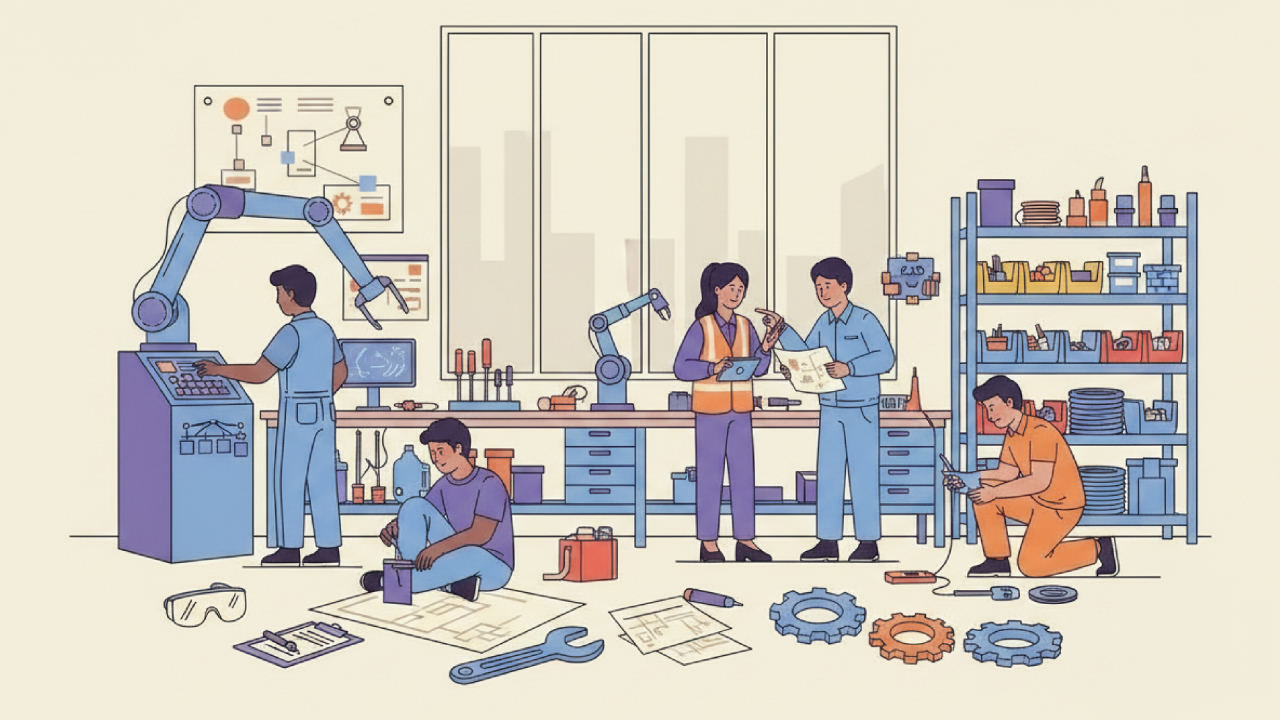
    Engineering is about designing, building, testing and improving things so they work safely and effectively. It can involve products, buildings, machines, systems, transport, energy, robotics, sustainability and problem-solving in many different industries.

    Engineering is about designing, building, and improving everything around us—from bridges and robots to medical devices and green tech. If you enjoy solving problems, working with technology, and making things better, engineering offers endless possibilities for young people.


    What Kind of People Thrive Here?

    Engineering is perfect for inventive, logical, and determined problem-solvers who enjoy turning ideas into reality. People who thrive here are curious about how things work, enjoy hands-on projects, and love finding solutions to real-world challenges. If you’re detail-oriented, like working as part of a team, or have a passion for building, designing, or improving things, you’ll fit right in. The engineering sector values creativity, resilience, and a drive to make a difference in everything from infrastructure to technology.

    • Curious Problem-Solvers: Love figuring out how things work and how to improve them? This is your space.
    • Maths & Science Fans: Enjoy STEM subjects and applying them to real-world challenges.
    • Team Players: Projects often bring together engineers from different specialisms.
    • Creative Thinkers: Engineering is as much about creativity as it is about logic and analysis.

    Engineering Industry: Key Insights

    • Growth Potential: Engineering is in high demand, with new roles in robotics, green tech, infrastructure, and digital systems. There’s a need for mechanical, electrical, civil, and software engineers.
    • Opportunities in Essex, Hertfordshire, and Suffolk (E/H/S): These regions have engineering firms, manufacturers, and infrastructure projects looking for young talent.
    • Earning Potential: Entry-level engineering roles start at £24,000–£30,000, with experienced engineers earning £40,000–£70,000+.

    How to Start Your Engineering Career

    Not sure where to begin? Try our career discovery to find engineering roles that fit you, or browse our job board for entry-level engineering jobs in Essex, Hertfordshire, and Suffolk. Many employers offer apprenticeships, internships, and graduate schemes.


    Explore More About Engineering

    • Emerging Trends: Learn about robotics, green engineering, and smart infrastructure.
    • Skills Needed: Find out which STEM and project management skills are valued.
    • Roles & Career Paths: Explore jobs from civil engineer to robotics technician.
    • Interview Prep: Get advice tailored to engineering job interviews.
    • Expert Insights: Hear from engineers and industry leaders.
    • Tools & Resources: Access guides and links to help you get started.

    FAQs

    What jobs are available for young people in engineering?

    Mechanical, electrical, civil, software engineer, technician, and more.

    Do I need a degree to work in engineering?

    Some roles require qualifications, but apprenticeships and technician roles are open to school leavers.

    What skills help you succeed in engineering careers?

    Problem-solving, STEM knowledge, creativity, and teamwork.

    Are there entry-level engineering jobs in Essex, Hertfordshire, or Suffolk?

    Yes—local firms and infrastructure projects regularly hire young people.


    If you want a career that’s creative, challenging, and helps build the world around us, engineering could be your perfect fit. Whether you’re passionate about designing solutions, solving real-world problems, or shaping the future with new technology, there’s a place for you to thrive. Ready to engineer your future? Explore your potential in engineering today!

    Open Budi

    Salary range

    £30,000 - £60,000

    Role types

    3 to explore

    Trade association

    Institution of Engineering and Technology →

    Industry overview

    Engineering is about designing, building, testing and improving things so they work safely and effectively. It can involve products, buildings, machines, systems, transport, energy, robotics, sustainability and problem-solving in many different industries.

    Strengths that thrive in Engineering

    Careful PlannerCreative ThinkerCurious ExplorerClear ThinkerEager Learner

    Who works in this industry

    Women28%
    Women28%
    Men72%
    21.9pp from a 50/50 balanceUnderrepresented

    Growth and hiring

    -10.9% vacancies year on year50k recent vacancies

    Vacancies appear to be lower year on year (around -10.9%). That is roughly 6k fewer vacancies than the comparison period. The latest vacancy estimate is still about 50k. A dip does not mean there are no jobs — it usually means being more targeted about applications, training and local opportunities.

    Opportunities & challenges

    Opportunities

    • Opportunities include design
    • maintenance
    • manufacturing
    • robotics
    • sustainable engineering
    • testing
    • quality
    • CAD
    • project support and technician routes. You can start through apprenticeships
    • college routes or practical projects.

    Challenges to navigate

    • Things to be aware of: skills can take time to build
    • technology changes quickly
    • and projects need accuracy and patience. Mistakes are part of learning
    • but safety and quality matter.

    Traits employers value

    Technical SkillsCreativityProblem SolvingAttention to DetailHelpful skills include technical confidencesolving problemsinnovationproject management and attention to detail. You do not need to be perfect at all of them straight away — these are strengths you can build through projectsvolunteeringpart-time workcoursesapprenticeships or simply practising.

    What the work feels like

    🧠 Working with technology or data🛠️ Doing practical hands-on work

    How to get started

    Interview tips

    • Prepare a problem-solving story: something you built
    • fixed
    • improved
    • designed or tested. Explain your thinking step by step
    • including what went wrong and how you adapted. Mention safety
    • accuracy and teamwork. Employers are not expecting you to know everything — they want curiosity
    • practical thinking and willingness to learn.

    Role types in Engineering

    The MakerThe TechieThe Analyst
    Explore all role types →

    People often arrive from

    Computing (Computer Science / IT / Coding)Construction & TradesMaths (incl. Statistics & Further Maths)Science (Biology, Chemistry, Physics)Design & Technology (Product Design / Engineering Design)Engineering & Manufacturing (incl. Welding)

    Source: https://www.ons.gov.uk/employmentandlabourmarket/peopleinwork/employmentandemployeetypes/datasets/employmentbyindustryemp13 (Jul–Sep 2025)

    inyourroots®

    Nationwide access, local roots. We're launching matching across Essex, Hertfordshire, and Suffolk. Expanding as we grow.

    Explore

    • Young People
    • Employers
    • Parents
    • Educators
    • About
    • Careers

    Tools & Resources

    • Content Hub
    • Budi
    • inyourroots® ecosystem
    • Policies Hub
    • Press & Media
    • Contact
    © 2026 inyourroots®. All rights reserved.