Content Hub / Explore
Automotive & Mechanics
Covers vehicle maintenance, diagnostics, repair, and automotive technology. Builds hands-on mechanical skills and technical knowledge — leading to careers in garages, dealerships, motorsport, and the growing electric vehicle sector.
Where this leads
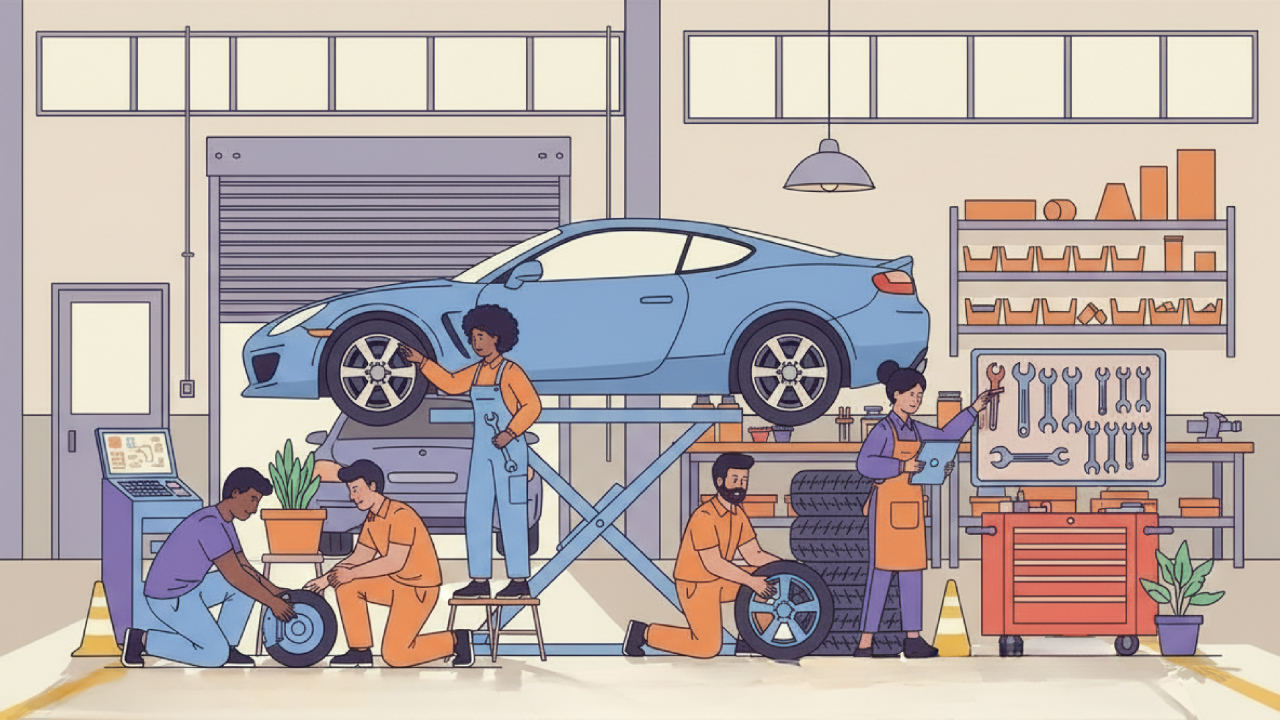
Automotive
Join the automotive sector, where practical skills, curiosity, and a passion for vehicles are valued. From repair to innovation, discover accessible pathways to meaningful work in your local area.
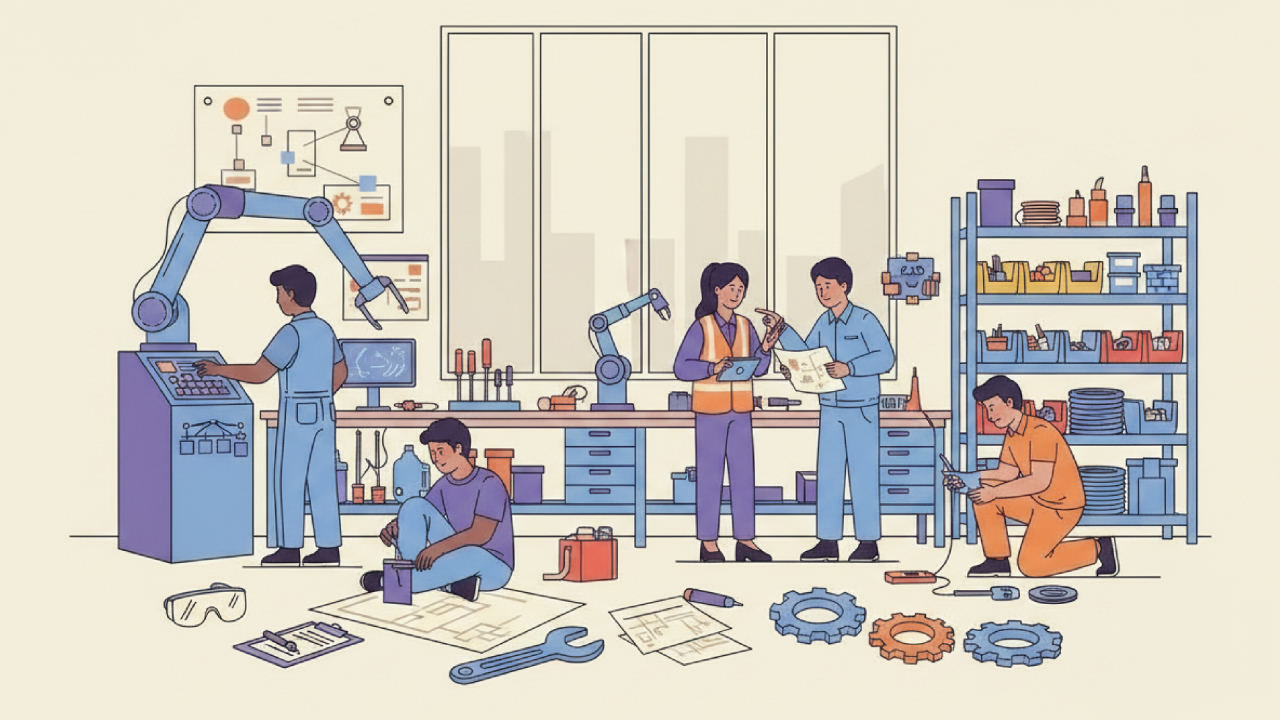
Engineering
Engineering offers pathways for problem-solvers and makers. Whether you love building, designing, or improving systems, your skills can help drive local innovation and sustainable solutions.
Manufacturing
Discover manufacturing careers, where practical skills and attention to detail drive innovation. Accessible roles support local industry and sustainable production.
Transportation & Logistics
Keep things moving in transportation & logistics, where organization and teamwork matter. Accessible roles help local businesses deliver goods and services efficiently.
Automotive and mechanics is about understanding how vehicles work, fixing what breaks, and helping people get where they need to go. It can be working in a garage, learning diagnostics, building electric vehicle tech, or even motorsport engineering. It builds problem-solving, hands-on skill, and technical knowledge that's increasingly valuable as the industry shifts to electric and hybrid vehicles.
This page shows what automotive and mechanics looks like in real life, what strengths it can build, and a few low pressure ways to try it, even if you've never thought of yourself as a "mechanical person".
- Fixing bikes, scooters, or helping mates with repairs.
- Playing with Lego, Meccano, or model cars, noticing how things fit together.
- Being curious about how cars work, watching YouTube repair videos, or following car reviews.
- School engineering clubs, tech projects, or BTEC Motor Vehicle pathway.
- Helping family with maintenance tasks, car washes, or minor repairs.
- Gaming with car mechanics, racing simulators, or building games.
Automotive and mechanics is a brilliant signal for people who like problem-solving, hands-on work, and seeing results. It's not just about cars; it's about understanding systems, troubleshooting logically, and building something or fixing something that actually matters to people.
Budi treats automotive and mechanics as a clue for technical confidence, resilience, and practical impact. You're building diagnostic skills, mechanical knowledge, and the kind of hands-on confidence that opens doors across multiple industries.
- Diagnose problems by listening, inspecting, and testing systems methodically.
- Learn how engines, electrics, hydraulics, and software systems work together.
- Use tools safely, follow procedures, and maintain equipment properly.
- Troubleshoot and repair, replacing parts, adjusting settings, and testing.
- Communicate with customers, explain issues clearly, and build trust.
- Stay updated on new technology, especially electric and hybrid powertrains.
- Problem-solving and logical thinking, breaking down complex systems into steps.
- Hands-on confidence and resilience, learning from mistakes, and trying again.
- Technical knowledge, building mental models of how things work.
- Customer care, explaining issues without jargon, and building confidence in others.
- Attention to detail, precision, and safety awareness.
- Adaptability, learning new systems as technology evolves.
- Garages and dealerships
- Vehicle servicing, MOTs, repairs, diagnostics, customer handover.
- Example roles: apprentice mechanic, service technician, diagnostic technician, customer advisor.
- Motorsport and performance
- Racing teams, tuning shops, performance engineering.
- Example roles: race technician, pit crew, performance engineer, fabricator.
- Electric vehicle and emerging tech
- EV servicing, battery diagnostics, charging infrastructure, hybrid systems.
- Example roles: EV technician, electric systems specialist, battery technician.
- Manufacturing and production
- Vehicle assembly, quality control, plant engineering.
- Example roles: assembly technician, quality checker, plant maintenance technician.
- Heavy vehicles and specialist equipment
- Lorries, buses, agricultural machinery, specialist vehicles.
- Example roles: HGV technician, bus engineer, agricultural machinery technician.
Easy start, 10 to 15 mins. Pick a car (yours, a friend's, or a famous one). Watch a "how it works" video on YouTube, covering engine, transmission, or brakes. Write down 5 things you didn't know before.
Medium, 30 to 45 mins. Find a simple repair task (bike chain, car tyre change, replacing a fuse). Watch a tutorial, gather tools, and try it. Focus on the process, not perfection.
Stretch, 1 to 2 hours. Help a mechanic or experienced friend with a more complex repair. Watch, ask questions, and try one step yourself. Notice what's easier or harder than you expected.
Automotive and mechanics can act as a helpful signal for strengths like problem-solving, hands-on confidence, technical knowledge, resilience, and attention to detail. Budi combines this with other signals to suggest industries, role types, and next steps. It's not here to box anyone in; it's here to open up options they might not have seen yet.
Automotive and mechanics is accessible in many forms. If getting into a garage isn't possible right now, you can still build skills through simulators, theory, YouTube channels, and online courses. If hands-on work is physically challenging, there are diagnostic, design, and management roles within automotive that value the same logical thinking and problem-solving skills.
Different learning styles work here too—some people learn by doing, others by watching carefully and thinking things through. Both are valuable.
- Engineering & Manufacturing, problem-solving, innovation, building things.
- ICT & Computer Science, logic, systems thinking, emerging technology.
- Physics, understanding force, energy, and how systems work.
- Design & Technology, practical design, working with tools and materials.
- Apprenticeships, hands-on learning with real responsibility and pay.