Content Hub / Explore
AI & Future Technology
Fascinated by artificial intelligence, self-driving cars, or what technology will look like in 20 years? This interest connects to some of the fastest-growing career areas — data science, AI development, ethics, cybersecurity, and research.
Where this leads
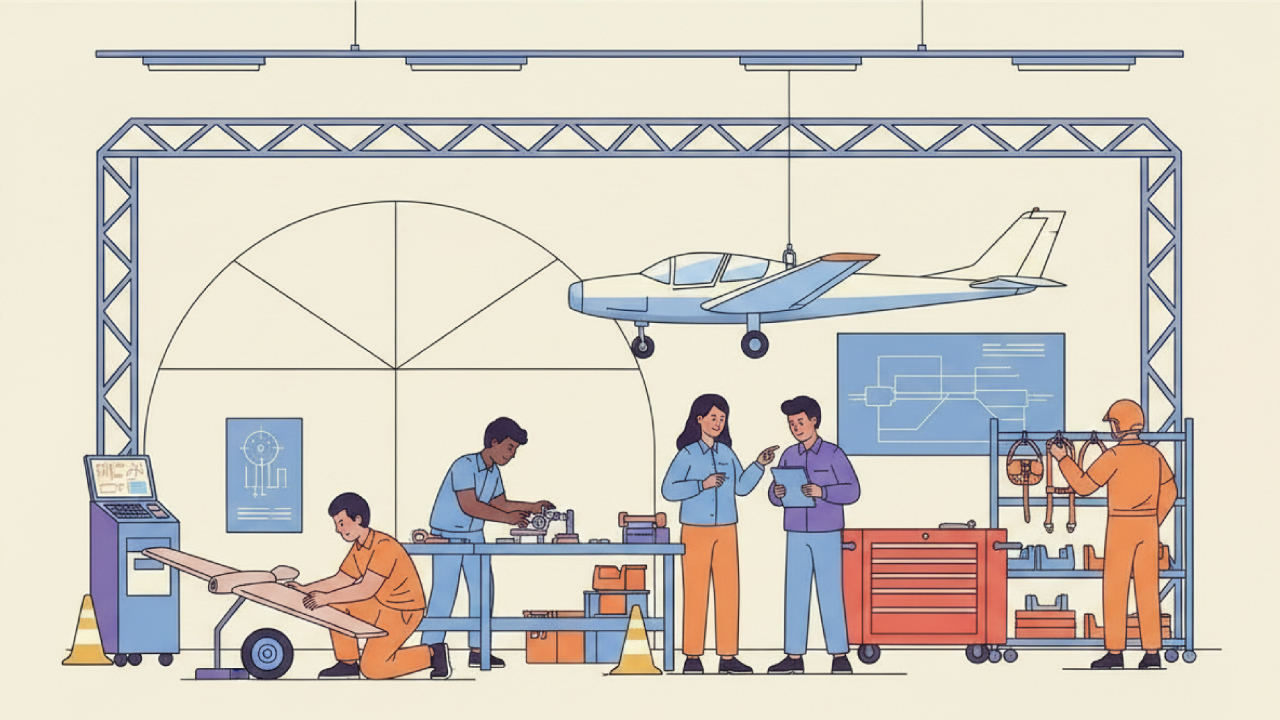
Aerospace & Defence
Discover careers in aerospace & defence, where innovation and teamwork drive progress. Find roles that value practical skills and creative problem-solving, making a real difference in local and global communities.
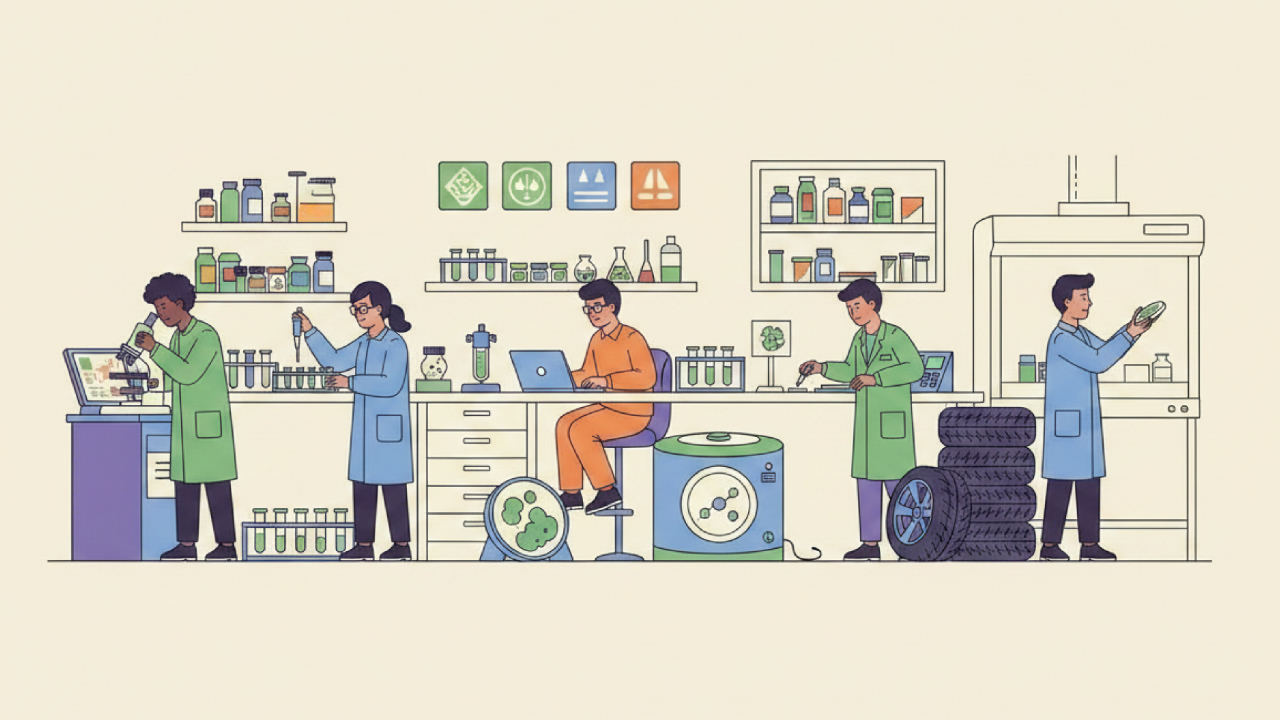
Biotech & Pharma
Step into biotech & pharma, where curiosity and problem-solving are key. Contribute to health innovations and community impact, with accessible roles for all skill sets—no science degree required.
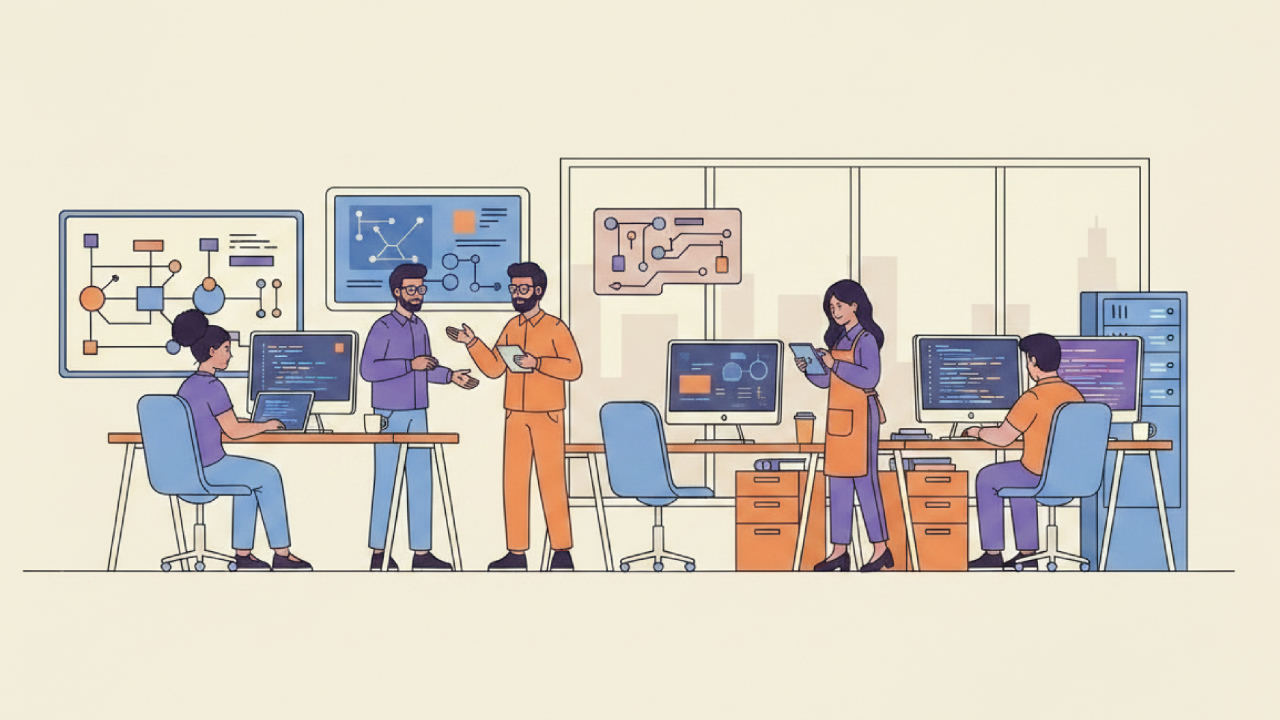
Digital & Tech
Digital and tech careers are perfect for curious, adaptable problem-solvers who love working with technology and new ideas. Whether you’re interested in coding, design, IT support, or digital innovation, this sector values creativity, teamwork, and a drive to keep learning.
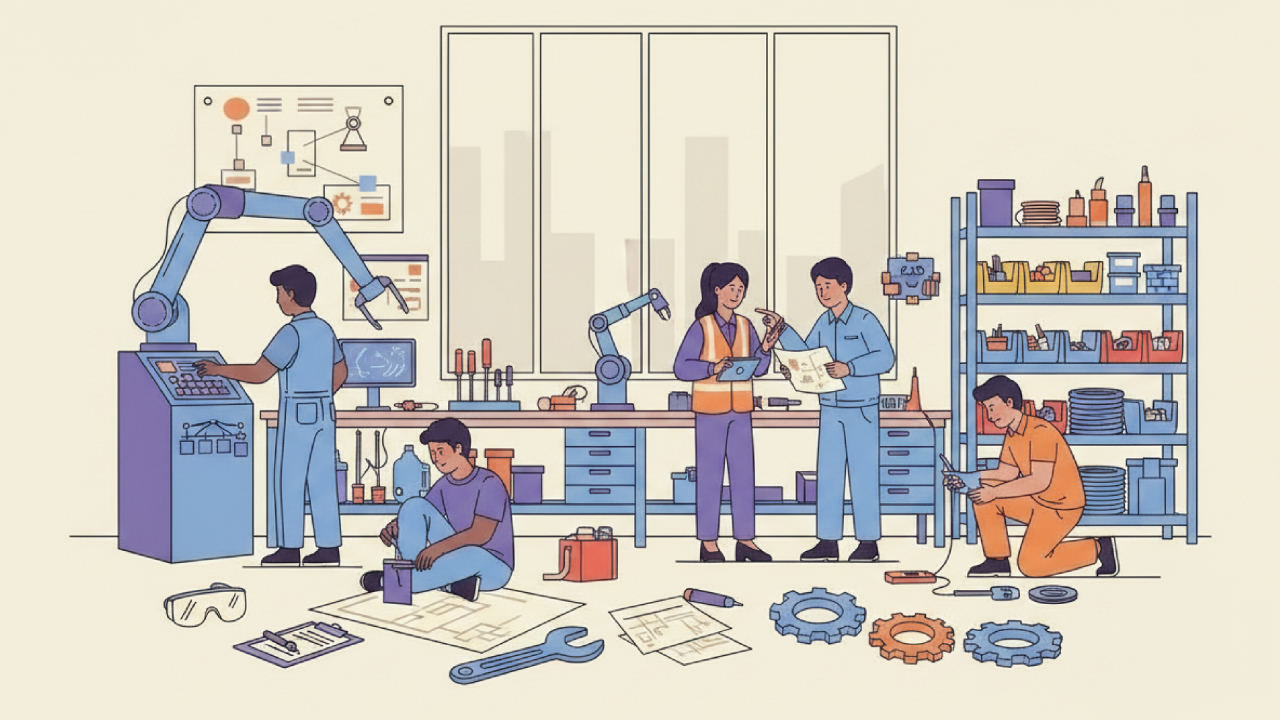
Engineering
Engineering offers pathways for problem-solvers and makers. Whether you love building, designing, or improving systems, your skills can help drive local innovation and sustainable solutions.
IT & Cyber Security
Step into IT & cyber security, where problem-solving and curiosity are prized. Explore accessible tech roles that keep local businesses and communities safe and connected.
Science & Research
Explore, discover, and solve the big questions. Science and research offers young people the chance to push boundaries — from lab bench to field work — with growing demand for curious, analytical minds.
AI and future technology is about exploring artificial intelligence, automation, and what technology will become. It can lead to careers in AI development, data science, robotics, cybersecurity, tech ethics, or innovation research. It builds computational thinking, curiosity, and the ability to imagine and build the future.
This page shows what AI and future technology looks like in real life, what strengths it can build, and a few low pressure ways to try it, even if you've never thought of yourself as a "tech person".
- Being fascinated by AI, chatbots, self-driving cars, or technology's possibilities.
- Experimenting with AI tools—ChatGPT, image generators, coding assistants.
- Playing with coding, building simple programmes, automation scripts.
- Being interested in data, patterns, how algorithms learn or make decisions.
- Reading about tech trends, following tech news, listening to tech podcasts.
- Thinking about how technology could solve problems or change society.
- Playing games with AI, learning how game AI works, understanding strategy.
AI and future technology is a brilliant signal for people who are curious about how things work, comfortable with complexity, and excited about solving problems using technology. It's not just for maths geniuses; it requires creativity, ethical thinking, and the ability to imagine what's possible.
Budi treats AI and future technology as a clue for computational thinking, analytical skill, creativity, ethical reasoning, and vision. You're building understanding of how machines learn, how algorithms solve problems, and how technology shapes society.
- Understand computation and logic, how code works, how machines process information.
- Work with data, collecting, cleaning, analysing, finding patterns and meaning.
- Build models and systems, developing AI systems, testing their behaviour, improving them.
- Solve problems creatively, using technology to address real challenges in novel ways.
- Think ethically and critically, considering AI's impact, bias, fairness, safety implications.
- Communicate and collaborate, explaining technical work to non-specialists, working with teams.
- Computational and logical thinking, breaking problems into steps, building systems.
- Data and analytical skills, understanding patterns, interpreting results, drawing conclusions.
- Creativity and innovation, imagining new solutions, combining existing tools in novel ways.
- Ethical and critical reasoning, considering implications, questioning assumptions, thinking responsibly.
- Resilience and curiosity, technology fails—learning from it, staying motivated to improve.
- Communication and vision, explaining complex ideas, inspiring others about possibilities.
- AI development and research
- Tech companies, AI labs, research institutes, academia.
- Example roles: AI engineer, machine learning engineer, research assistant, data scientist.
- Robotics and automation
- Manufacturing, robotics companies, automation engineering, research.
- Example roles: robotics engineer, technician, automation specialist.
- Data science and analytics
- Tech companies, finance, healthcare, research organisations.
- Example roles: data analyst, junior data scientist, analytics engineer.
- Cybersecurity and AI safety
- Tech security teams, cybersecurity firms, AI safety research.
- Example roles: cybersecurity analyst, security engineer, AI safety researcher.
- Tech innovation and start-ups
- Start-ups, tech incubators, innovation labs, future-tech companies.
- Example roles: engineer, product manager, researcher, technical founder.
Easy start, 10 to 15 mins. Experiment with an AI tool—ChatGPT, image generator, or coding assistant. Ask it to do something: write a poem, generate an image, help you debug code. Reflect: What surprised you? What did it do well? What did it struggle with?
Medium, 30 to 45 mins. Learn the basics of coding or AI concepts. Complete a free tutorial on Python (CodeAcademy, Khan Academy) or try a beginner machine learning course (Fast.ai, Coursera). Build one small thing—a calculator, a simple game, or a prediction model.
Stretch, 1 to 2 hours. Build a small AI project or explore an ethical question deeply. Could you train an AI to recognise something? Could you analyse a dataset and find patterns? What are the ethical implications of AI in education, hiring, or healthcare? Document your thinking.
AI and future technology can act as a helpful signal for strengths like computational thinking, data skills, creativity, ethical reasoning, resilience, and communication. Budi combines this with other signals to suggest industries, role types, and next steps. It's not here to box anyone in; it's here to open up options they might not have seen yet.
Tech and AI are becoming more accessible. If you're not native to a tech environment, bootcamps, free courses, and communities specifically support late-starters and career-changers. If you have ADHD, the structured problem-solving of coding and AI can be engaging. If you're autistic, the logical, rule-based nature of computation often aligns well with autistic thinking. If you have visual or hearing impairments, accessible development tools, screen readers, and inclusive companies exist. If you're from an underrepresented background in tech, diversity initiatives, mentorship programmes, and inclusive workplaces are growing.
Different roles work in AI—some people are pure researchers, others build products, some focus on safety and ethics, some on applications and impact. All perspectives are needed to develop AI responsibly.
- Computer Science & ICT, programming, systems thinking, digital innovation.
- Mathematics, logic, algorithms, data analysis, computational theory.
- Engineering, problem-solving, building systems, technical innovation.
- Physics, understanding fundamental principles that underpin technology.
- Ethics & Philosophy, exploring responsible development, impact, fairness.