    inyourroots®
    • About

    Back to Industry Hub

    Industry Guide

    Biotech & Pharma Careers for Young People

    Step into biotech & pharma, where curiosity and problem-solving are key. Contribute to health innovations and community impact, with accessible roles for all skill sets—no science degree required.

    Open Budi

    Biotech & pharma: explore where it could take you

    Step into biotech & pharma, where curiosity and problem-solving are key. Contribute to health innovations and community impact, with accessible roles for all skill sets—no science degree required.

    🧭

    What the industry covers

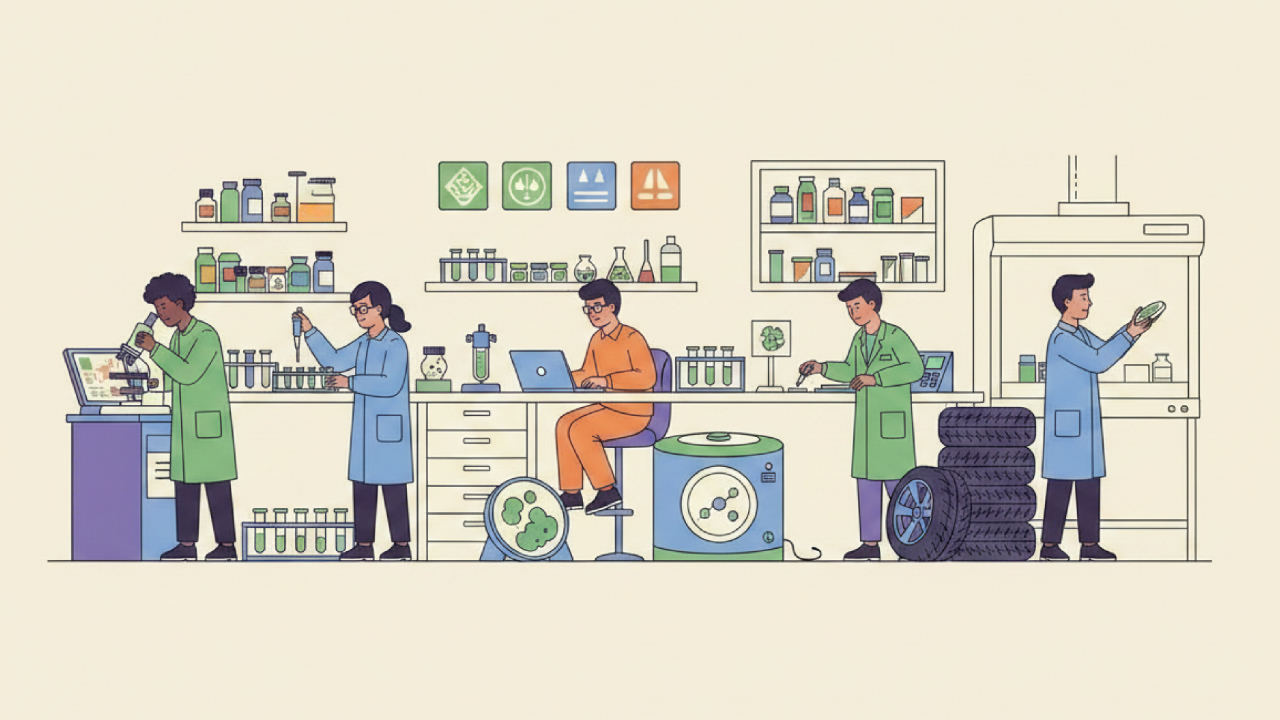
    Biotech and pharma is about using science to understand health, develop medicines, improve treatments and support safe manufacturing. Roles can include labs, quality control, research support, regulation, data, production and operations.


    What kind of people thrive here?

    This kind of work is usually technical and analytical, curious and always learning and guided by rules, standards or policy. It can suit you if you like work that has a clear purpose, gives you room to grow, and connects your strengths to real tasks.

    💻

    Digital Skills

    You are comfortable learning and using digital tools.

    🛠️

    Technical Skills

    You enjoy learning how tools, systems or equipment work.

    🧩

    Problem Solving

    You stay curious and work through challenges step by step.

    🔍

    Attention to Detail

    You notice small things and care about accuracy and quality.


    Key industry insights

    📍

    Look beyond the obvious employers

    Local organisations, SMEs, charities, public bodies and specialist employers can offer valuable first steps, practical experience and clearer routes to responsibility.

    💷

    Pay varies by role

    Experience, responsibility, qualifications, employer and location all affect salary. Treat published figures as a guide rather than a guarantee.


    How to start your biotech & pharma career

    1. 1.Explore your strengths.

    Think about whether you prefer creating, making, fixing, analysing, organising, supporting people or working with technology.

    1. 2.Research realistic pathways.

    Look at apprenticeships, college courses, traineeships, volunteering, entry-level vacancies and local employers.

    1. 3.Build evidence.

    Use school, college, work, volunteering or personal projects to show what you can already do.

    1. 4.Learn the language of the sector.

    Read job descriptions, follow current developments and notice the skills employers mention repeatedly.

    1. 5.Apply before you feel perfect.

    Employers do not expect beginners to know everything — they look for potential, reliability and willingness to learn.


    Roles and career pathways

    Where people often start

    Growth areas include lab support, quality control, research assistance, manufacturing, regulatory work, clinical trials, data and personalised medicine. There are routes for practical organisers as well as science specialists.

    Where it can lead

    Biotech and pharma is about using science to understand health, develop medicines, improve treatments and support safe manufacturing. Roles can include labs, quality control, research support, regulation, data, production and operations. With experience, you may move into specialist, supervisory, management, consultancy or leadership work depending on the pathway you choose.

    What employers value

    Helpful skills include research skills, attention to detail, innovation, spotting patterns and solving problems and adaptability. You do not need to be perfect at all of them straight away — these are strengths you can build through projects, volunteering, part-time work, courses, apprenticeships or simply practising.


    Skills employers value

    Helpful skills include research skills, attention to detail, innovation, spotting patterns and solving problems and adaptability. You do not need to be perfect at all of them straight away — these are strengths you can build through projects, volunteering, part-time work, courses, apprenticeships or simply practising.

    • Digital Skills
    • Technical Skills
    • Problem Solving
    • Attention to Detail

    Trends and useful preparation

    🌟

    Why this section matters

    This field is changing. Showing that you understand what is happening — and that you are already taking small steps to prepare — can help you stand out.

    Trends to watch

    • Market picture: Vacancies appear to be lower year on year (around -10.9%). That is roughly 6k fewer vacancies than the comparison period. The latest vacancy estimate is still about 50k. A dip does not mean there are no jobs — it usually means being more targeted about applications, training and local opportunities.
    • Opportunity areas: Growth areas include lab support, quality control, research assistance, manufacturing, regulatory work, clinical trials, data and personalised medicine. There are routes for practical organisers as well as science specialists.
    • Things to be aware of: Things to be aware of: research and approvals can take a long time, quality standards are strict, and some routes need specific qualifications. There are still support and technician routes to explore.

    Useful preparation

    • Talk about curiosity, careful work and following instructions accurately.
    • If you have done lab work, research, science coursework, data tasks or a practical experiment, explain your method and what you learned.
    • Show that you understand safety, quality and regulation matter.
    • Employers will value patience and accuracy as much as big scientific knowledge.

    Your next step

    You do not need to be a finished expert to belong in biotech & pharma. Start with curiosity, build evidence through small experiences and explore the pathway that fits how you work best.

    People often arrive from

    AI & Future TechnologyScience (Biology, Chemistry, Physics)
    inyourroots®

    Nationwide access, local roots. We're launching matching across Essex, Hertfordshire, and Suffolk. Expanding as we grow.

    Explore

    • Young People
    • Employers
    • Parents
    • Educators
    • About
    • Careers

    Tools & Resources

    • Content Hub
    • Budi
    • inyourroots® ecosystem
    • Press & Media
    • Contact
    Privacy PolicyCookie PolicyTerms of ServiceAll policies
    © 2026 inyourroots®. All rights reserved.