Content Hub / Explore
Science (Biology, Chemistry, Physics)
Explores the natural world through biology, chemistry, and physics. Builds investigative, analytical, and practical skills — from lab work to fieldwork. Science underpins healthcare, technology, the environment, and so much more.
Where this leads
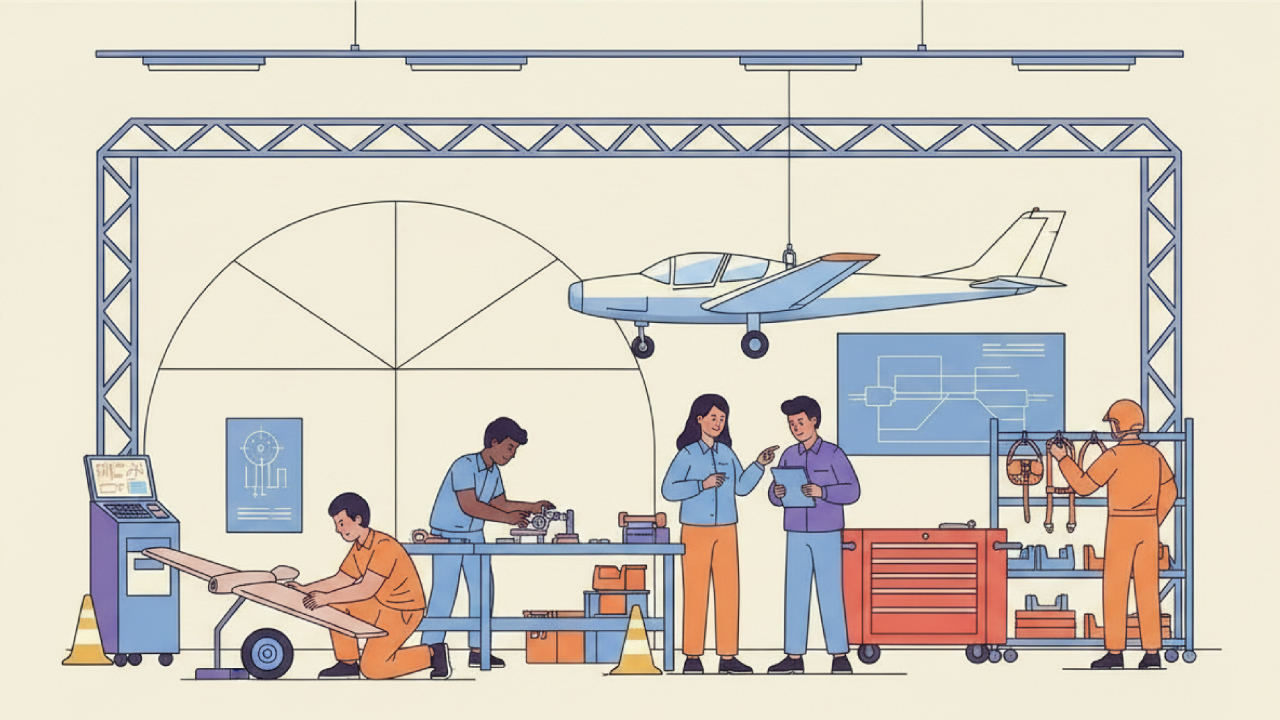
Aerospace & Defence
Discover careers in aerospace & defence, where innovation and teamwork drive progress. Find roles that value practical skills and creative problem-solving, making a real difference in local and global communities.
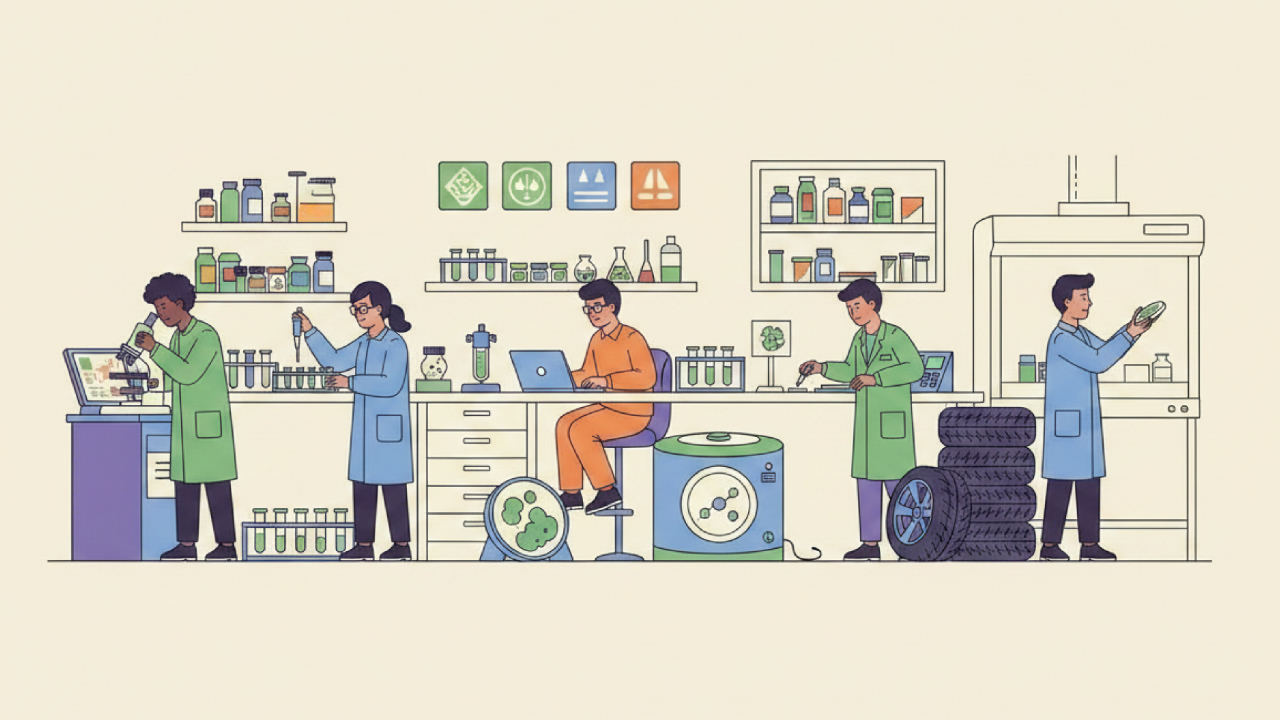
Biotech & Pharma
Step into biotech & pharma, where curiosity and problem-solving are key. Contribute to health innovations and community impact, with accessible roles for all skill sets—no science degree required.
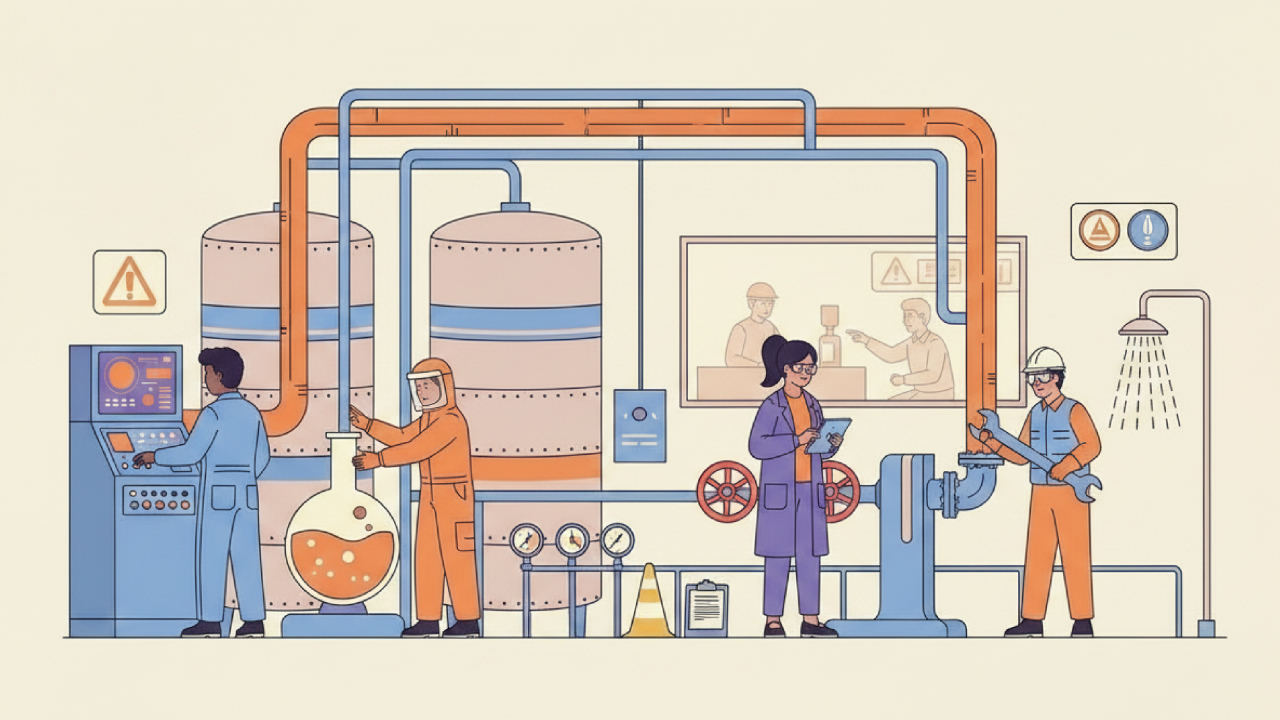
Chemicals
Explore the chemicals industry, supporting everything from manufacturing to sustainability. Strengths like attention to detail and teamwork are highly valued, with roles available for various backgrounds.
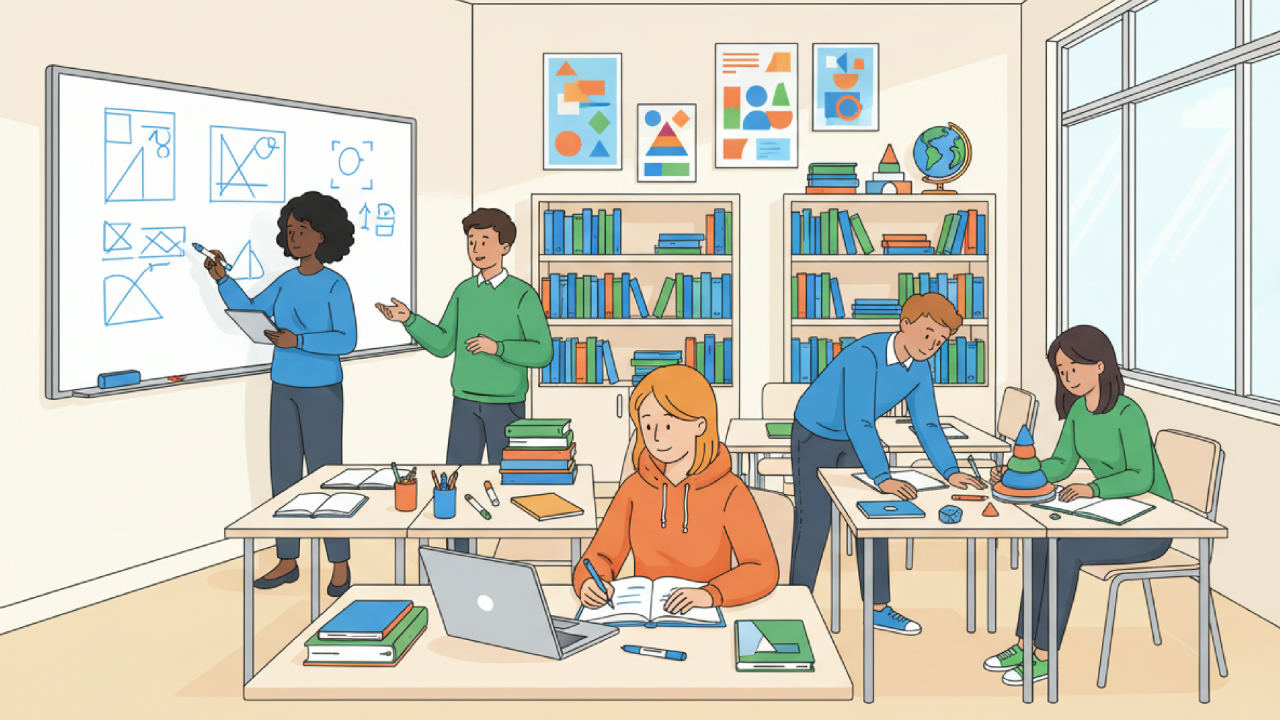
Education
Shape the future in education, supporting learners of all ages. Whether you’re organized, empathetic, or a great communicator, there’s a place for your strengths in schools, training, and community learning.
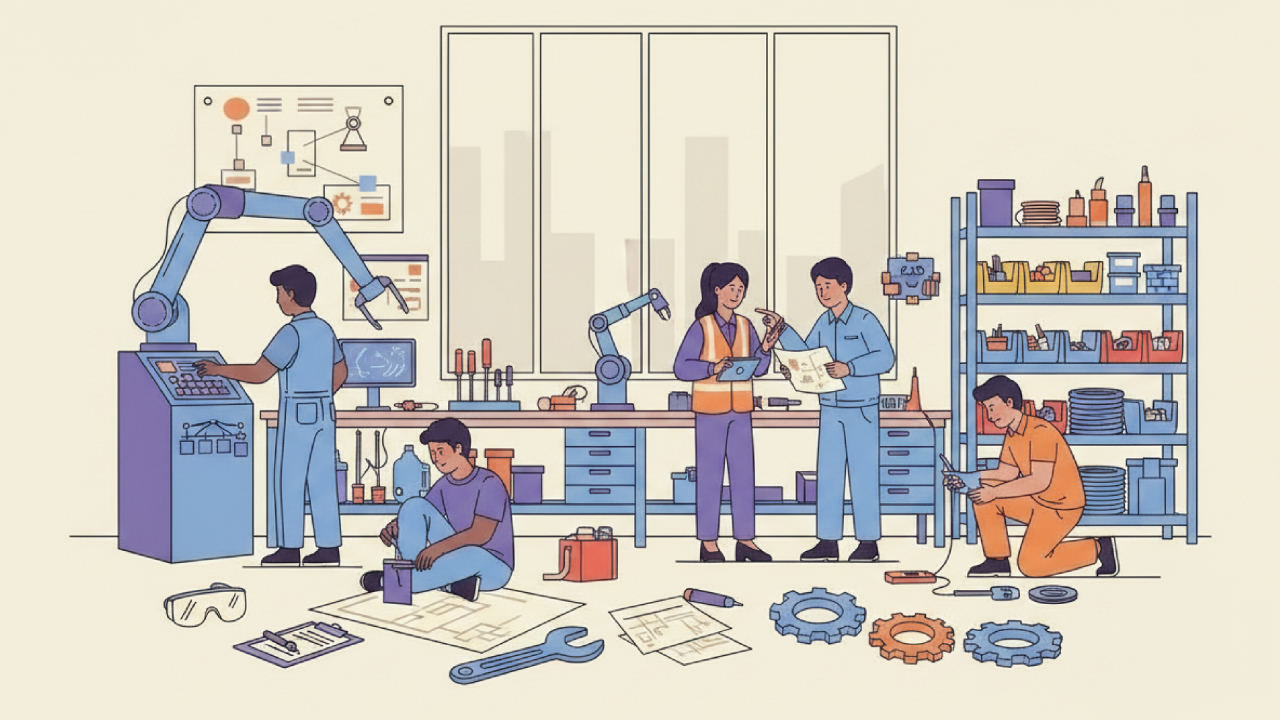
Engineering
Engineering offers pathways for problem-solvers and makers. Whether you love building, designing, or improving systems, your skills can help drive local innovation and sustainable solutions.
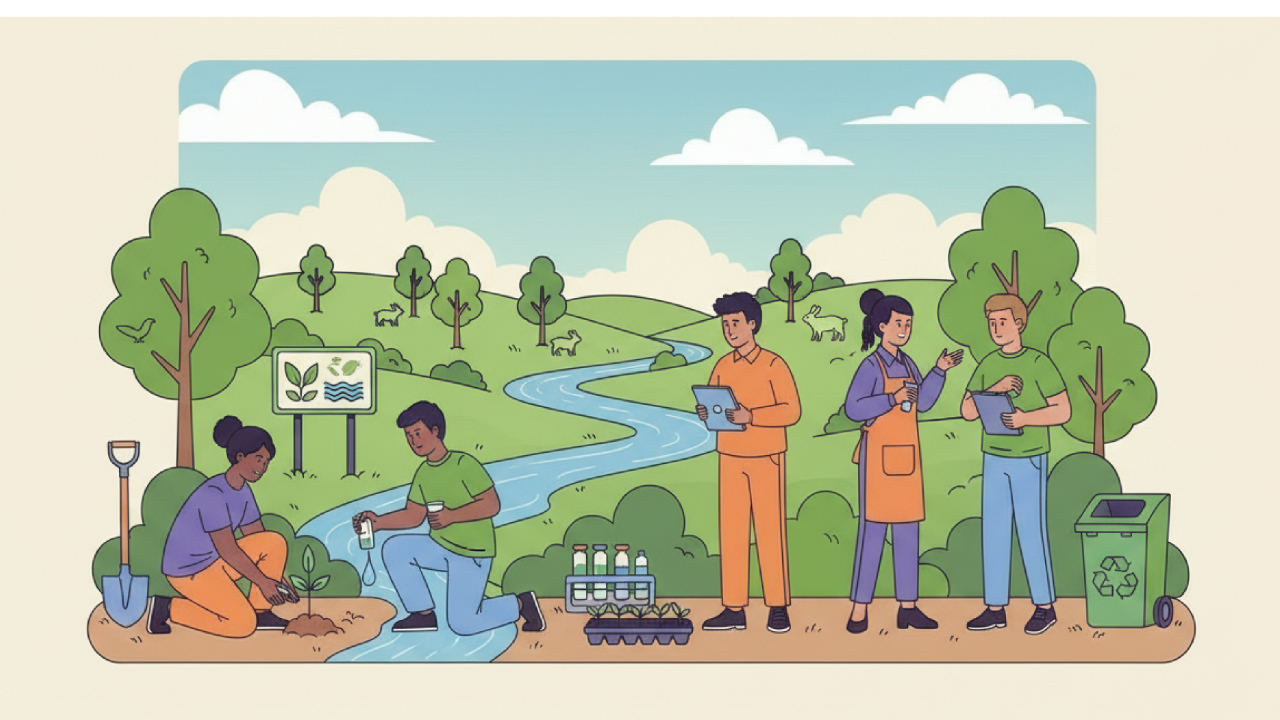
Environmental Services
Make a local impact in environmental services. Roles focus on sustainability, conservation, and community health—ideal for those passionate about protecting our planet and supporting local initiatives.
Healthcare
Make a difference in healthcare, where compassion and teamwork matter most. Accessible roles range from support work to administration, all contributing to healthier local communities.
Mining & Extraction
Join mining & extraction, where safety, teamwork, and adaptability are key. Accessible roles contribute to local industry while supporting responsible resource management.
Science & Research
Explore, discover, and solve the big questions. Science and research offers young people the chance to push boundaries — from lab bench to field work — with growing demand for curious, analytical minds.
Science is basically learning how the world works, then testing it properly. Biology looks at living things, Chemistry looks at what things are made of and how they change, Physics looks at forces, energy, and patterns in the universe.
If you like asking “why?”, spotting patterns, or doing experiments to prove a point, Science can be a really strong signal, even if you do not see yourself as a “science person” yet.
- Watching science YouTube or TikTok, myth-busting, space clips, medical stories, animal facts.
- Cooking or baking, noticing reactions, textures, heat, and timing.
- Gym, sport, or dance, thinking about muscles, breathing, energy, and recovery.
- Skincare, hair, and cosmetics, ingredients, pH, allergies, and what works for different people.
- Fixing things, bikes, gadgets, or gaming PCs, troubleshooting and testing what changed.
- Nature walks, pets, gardening, and being curious about plants, weather, and ecosystems.
Science is a strengths signal for curiosity plus careful thinking. It is about noticing what is happening, asking good questions, and testing ideas fairly, even when the answer is not what you expected.
Budi treats Science as a clue for roles where you investigate, improve systems, protect people, or build things that work better. It can lead to hands-on routes (labs, engineering, healthcare) and also behind the scenes routes (data, quality, safety, research).
- What you actually do (real skill set)
- - Plan and run fair tests, change one thing at a time, record what happens.
- Use equipment safely, measure, time, label, and keep things organised.
- Explain results, write up methods, make graphs, spot patterns.
- Learn key ideas and use them to predict outcomes.
- Work in a team, share roles, check each others work.
- Ask better questions over time, and get comfortable with I do not know yet.
- Plan and run fair tests, change one thing at a time, record what happens.
- Use equipment safely, measure, time, label, and keep things organised.
- Explain results, write up methods, make graphs, spot patterns.
- Learn key ideas and use them to predict outcomes.
- Work in a team, share roles, check each others work.
- Ask better questions over time, and get comfortable with I do not know yet.
- Curiosity, you keep asking why, and you enjoy finding out.
- Precision, you notice small changes and you care about doing it properly.
- Problem solving, you test, adjust, and try again rather than guessing.
- Responsibility, you follow safety rules and think about real-world impact.
- Patience and resilience, experiments fail sometimes, you learn from it.
- Clear communication, you can explain what you did and what it means.
- - Healthcare: healthcare assistant, pharmacy assistant, radiography assistant, biomedical support.
- Biotech & Pharma: lab technician, quality control trainee, clinical trials assistant.
- Environmental Services: water testing assistant, ecology assistant, sustainability technician.
- Engineering: engineering technician, test technician, materials testing assistant.
- Food & Beverage: food science assistant, quality assurance trainee, production lab assistant.
- IT & Cyber Security (science meets tech): data technician, junior analyst, health tech support.
- Healthcare: healthcare assistant, pharmacy assistant, radiography assistant, biomedical support.
- Biotech & Pharma: lab technician, quality control trainee, clinical trials assistant.
- Environmental Services: water testing assistant, ecology assistant, sustainability technician.
- Engineering: engineering technician, test technician, materials testing assistant.
- Food & Beverage: food science assistant, quality assurance trainee, production lab assistant.
- IT & Cyber Security (science meets tech): data technician, junior analyst, health tech support.
Easy start, 10 mins. Pick one everyday thing, a fizzy drink, a plant leaf, a phone battery, or a bruise. Write down 3 why questions about it.
Medium, 20 to 30 mins. Do a mini investigation at home. Example, test which paper towel absorbs the most water, or which surface makes a toy car roll furthest. Record results in a simple table.
Stretch, 45 to 60 mins. Watch one short science explainer, then write a teaching note for a younger student, 5 bullet points, plus one diagram or labelled sketch.
Science interest can signal strengths like curiosity, precision, resilience, and responsibility. Budi combines this with your other signals, what you enjoy, what drains you, and what you want your day to feel like, then suggests industries and role types that fit.
It is not about picking one big career at 16. It is about finding a few solid next steps that help you grow confidence and options.
Science can feel like right answer pressure. It helps to focus on the process, not perfection. If maths-heavy bits are a barrier, you can still be brilliant at observation, practical work, and explaining ideas.
If sensory stuff is tricky (smells, noise, bright lights), there are still routes in, desk-based research, data, quality checks, science communication, and tech support roles.
If you are anxious about labs, start with low-stakes investigations at home, or roles that are more field-based, like environmental work.
- If you like this, you might also like
- - Maths (incl. Statistics), patterns, evidence, problem solving.
- Computing, logic, testing, building systems.
- Geography, environment, fieldwork, real-world impact.
- Health & Wellness, the body, wellbeing, behaviour.
- Design & Technology, making, testing, improving.
- Maths (incl. Statistics), patterns, evidence, problem solving.
- Computing, logic, testing, building systems.
- Geography, environment, fieldwork, real-world impact.
- Health & Wellness, the body, wellbeing, behaviour.
- Design & Technology, making, testing, improving.