Content Hub / Explore
Computing (Computer Science / IT / Coding)
Explores programming, algorithms, data, networks, and how computers work. Builds logical thinking, problem-solving, and digital skills that are in demand across every industry.
Where this leads

Aerospace & Defence
Discover careers in aerospace & defence, where innovation and teamwork drive progress. Find roles that value practical skills and creative problem-solving, making a real difference in local and global communities.

Banking & Finance
Find your fit in banking & finance, where analytical thinking and ethical practices matter most. This industry offers diverse entry points for young people, with a focus on local economic growth and financial wellbeing.
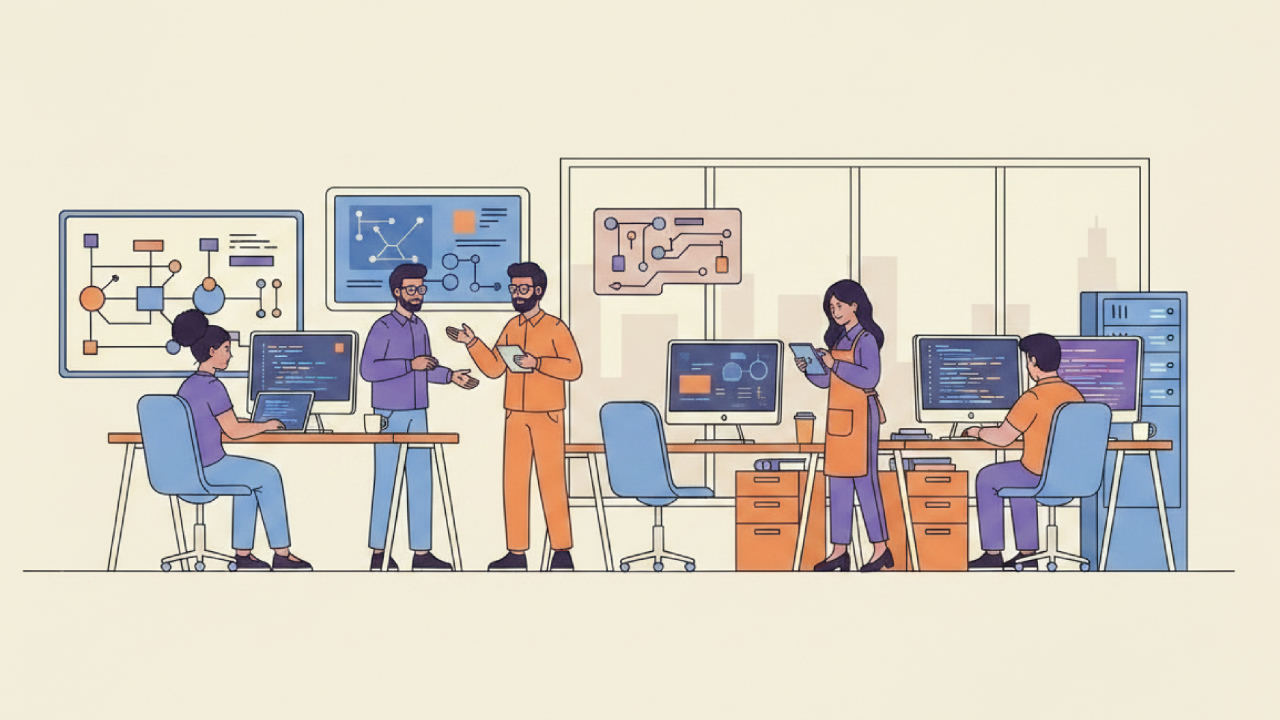
Digital & Tech
Digital and tech careers are perfect for curious, adaptable problem-solvers who love working with technology and new ideas. Whether you’re interested in coding, design, IT support, or digital innovation, this sector values creativity, teamwork, and a drive to keep learning.
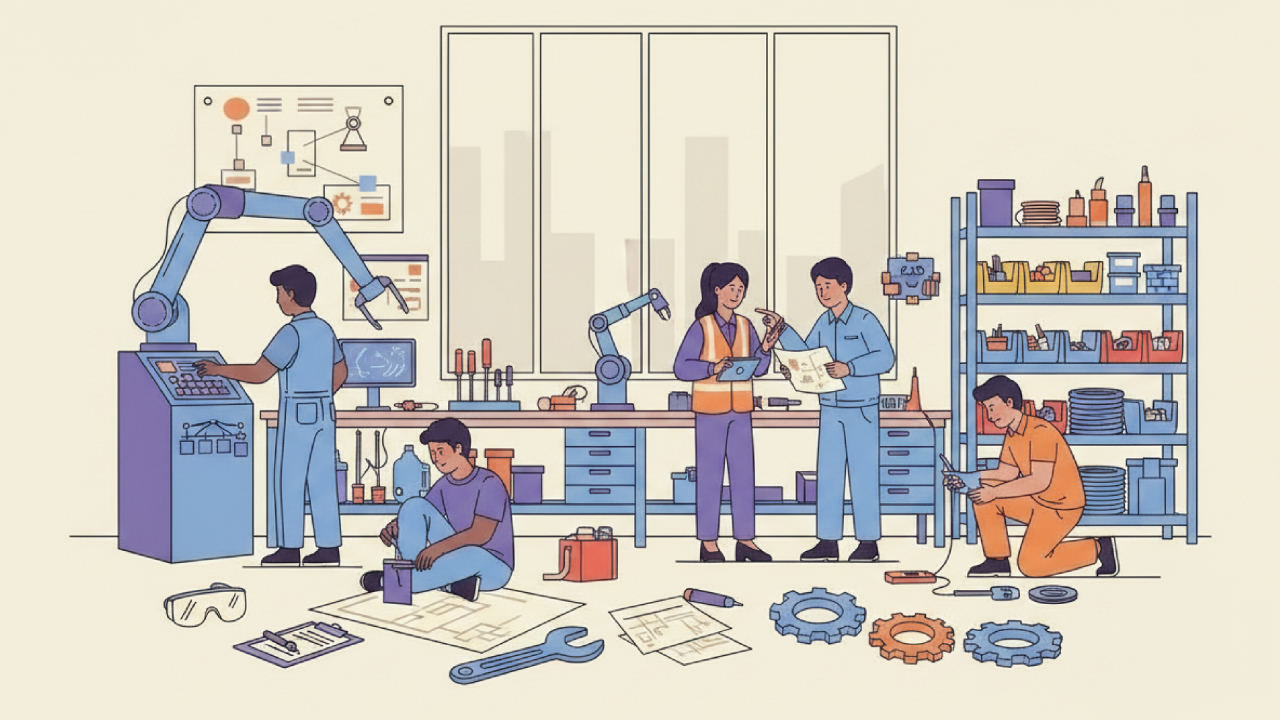
Engineering
Engineering offers pathways for problem-solvers and makers. Whether you love building, designing, or improving systems, your skills can help drive local innovation and sustainable solutions.
Freelance
Build your freelance career with strengths-first support. Whether creative or technical, freelancing offers flexible, accessible opportunities to grow your skills and serve local clients.
Insurance
Protect people, businesses, and futures in an industry that values sharp minds and clear thinking. Insurance offers accessible career paths with strong progression, from apprenticeships to specialist roles in risk, data, and client advice.
IT & Cyber Security
Step into IT & cyber security, where problem-solving and curiosity are prized. Explore accessible tech roles that keep local businesses and communities safe and connected.
Science & Research
Explore, discover, and solve the big questions. Science and research offers young people the chance to push boundaries — from lab bench to field work — with growing demand for curious, analytical minds.
Telecommunications
Connect communities in telecommunications, where problem-solving and adaptability are key. Accessible roles support local networks and digital inclusion.
Wholesale Trade
Support local economies in wholesale trade, where negotiation, logistics, and relationship-building are key. Accessible roles connect producers and retailers across your region.
Computing is about solving problems with code and understanding how systems work. It helps you think logically, break down complex tasks, and build things that other people can use.
This page shows what Computing looks like in real life, what strengths it can build, and a few low pressure ways to try it, even if you have never thought of yourself as a “tech person”.
- Gaming, modding, understanding game mechanics, speedrunning, or creating mods.
- Building or fixing computers, upgrading hardware, troubleshooting.
- Coding or scripting, learning Python, JavaScript, or making games.
- Online communities, Discord bots, websites, or digital projects.
- Noticing how apps and websites work, spotting bugs, thinking about design.
- Helping friends with tech problems, explaining how something works.
Computing is the subject that turns ideas into working systems. It teaches you to think in steps, test your logic, and learn from errors. You are not just using technology, you are understanding and building it.
Budi treats Computing as a strong signal for logical thinking, problem solving, and persistence. It often links to people who enjoy systems, patterns, and the satisfaction of making something work.
- - Write code, use logic to give instructions, test and debug.
- Break down problems, think step by step, plan before you code.
- Understand algorithms, patterns, and why some solutions are better than others.
- Test and debug, find errors, work out why something is not working.
- Read and understand other people’s code, learn from examples.
- Communicate your thinking, explain your code and decisions.
- Write code, use logic to give instructions, test and debug.
- Break down problems, think step by step, plan before you code.
- Understand algorithms, patterns, and why some solutions are better than others.
- Test and debug, find errors, work out why something is not working.
- Read and understand other people’s code, learn from examples.
- Communicate your thinking, explain your code and decisions.
- Logical thinking, breaking problems into steps and spotting patterns.
- Persistence, debugging, trying again, and learning from errors.
- Attention to detail, small mistakes can break code.
- Systems thinking, understanding how parts connect and affect each other.
- Creativity, there are many ways to solve a problem.
- Confidence with learning, tech changes fast, and you learn by doing.
- - Software development
- Building apps, websites, games, and tools that people use.
- Example roles: junior developer, software apprentice, web developer trainee, game developer assistant.
- Data and analytics
- Collecting, storing, and analysing data to help organisations make decisions.
- Example roles: data analyst apprentice, data engineer trainee, business intelligence assistant.
- Cybersecurity and IT support
- Keeping systems safe, fixing problems, supporting users.
- Example roles: IT support apprentice, cybersecurity trainee, network technician.
- Tech operations and infrastructure
- Managing servers, databases, cloud systems, and keeping things running.
- Example roles: systems administrator apprentice, DevOps trainee, infrastructure technician.
- Tech roles across industries
- Every organisation uses tech, from healthcare to retail to finance.
- Example roles: tech apprentice, digital transformation assistant, IT project assistant.
- Software development
- Building apps, websites, games, and tools that people use.
- Example roles: junior developer, software apprentice, web developer trainee, game developer assistant.
- Data and analytics
- Collecting, storing, and analysing data to help organisations make decisions.
- Example roles: data analyst apprentice, data engineer trainee, business intelligence assistant.
- Cybersecurity and IT support
- Keeping systems safe, fixing problems, supporting users.
- Example roles: IT support apprentice, cybersecurity trainee, network technician.
- Tech operations and infrastructure
- Managing servers, databases, cloud systems, and keeping things running.
- Example roles: systems administrator apprentice, DevOps trainee, infrastructure technician.
- Tech roles across industries
- Every organisation uses tech, from healthcare to retail to finance.
- Example roles: tech apprentice, digital transformation assistant, IT project assistant.
Easy start, 10 mins. Try a visual coding game like Lightbot or Code.org. Complete one level and notice what you are learning.
Medium, 20 to 30 mins. Learn one simple coding concept, loops, variables, or conditionals. Use a free platform like Khan Academy, Codecademy, or YouTube. Write or modify a simple program.
Stretch, 45 to 60 mins. Build a small project, a simple game, a quiz app, or a tool that solves a problem. Plan it first, code it, test it, and note one bug and one improvement.
Computing can act as a helpful signal for strengths like logical thinking, problem solving, and persistence. Budi combines this with other signals to suggest industries, role types, and next steps. It is not here to box anyone in, it is here to open up options they might not have seen yet.
Computing is for everyone. If you do not have a computer at home, use school resources, libraries, or free online platforms.
If you struggle with typing, use voice input or visual coding tools. If you find text-based coding hard, start with visual block-based coding like Scratch. The skill is thinking logically, not typing fast.
- - Maths (incl. Statistics & Further Maths), logic, algorithms, problem solving.
- Design & Technology, systems, building, problem solving.
- Engineering & Manufacturing, logic, systems, technical thinking.
- IT & Cyber Security, networks, systems, security.
- Digital & Tech, innovation, digital tools, coding.
- Maths (incl. Statistics & Further Maths), logic, algorithms, problem solving.
- Design & Technology, systems, building, problem solving.
- Engineering & Manufacturing, logic, systems, technical thinking.
- IT & Cyber Security, networks, systems, security.
- Digital & Tech, innovation, digital tools, coding.