    inyourroots®
    • About

    Back to Industry Hub

    Industry Guide

    Freelance Careers for Young People

    Build your freelance career with strengths-first support. Whether creative or technical, freelancing offers flexible, accessible opportunities to grow your skills and serve local clients.

    Open Budi

    Freelance: explore where it could take you

    Build your freelance career with strengths-first support. Whether creative or technical, freelancing offers flexible, accessible opportunities to grow your skills and serve local clients.

    🧭

    What the industry covers

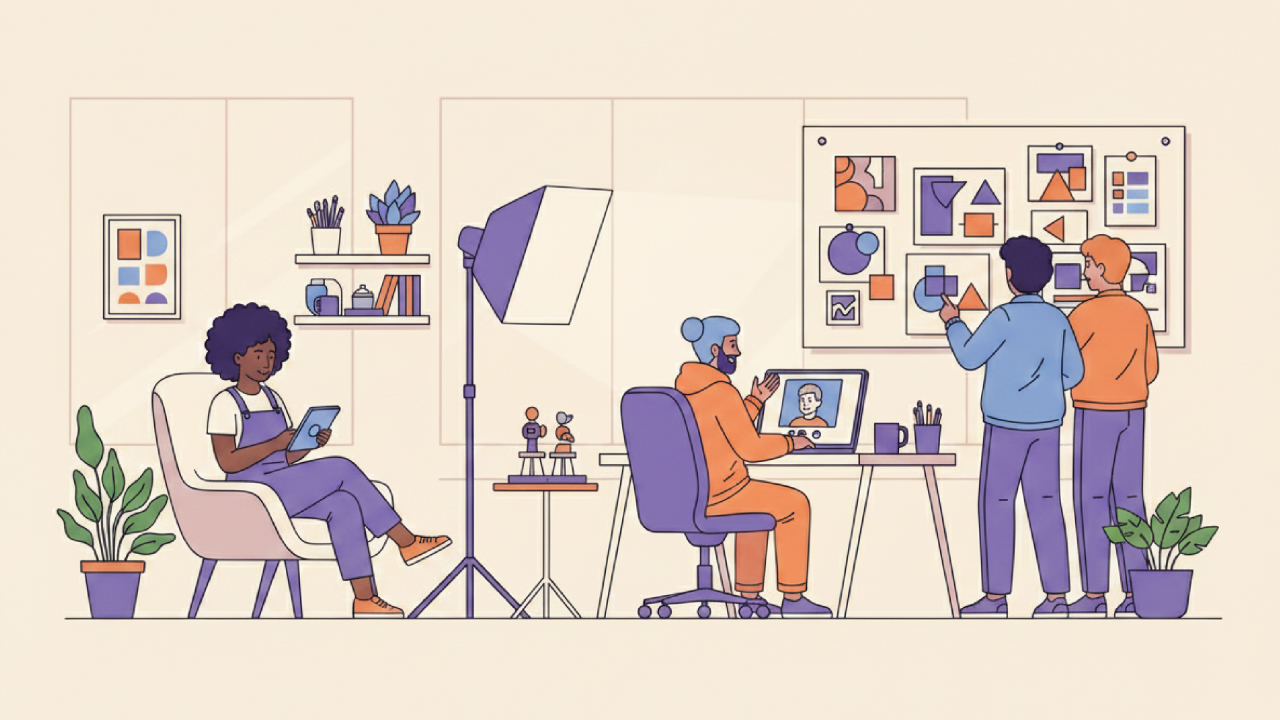
    Freelance work means working for yourself or taking on projects for different clients. It can happen in creative, digital, technical, admin or service-based work, and usually involves building a portfolio, managing time and communicating clearly with clients.


    What kind of people thrive here?

    This kind of work is usually creative and open to new ideas, shaped by customers, trends and demand and structured and organised. It can suit you if you like work that has a clear purpose, gives you room to grow, and connects your strengths to real tasks.

    🔄

    Adaptability

    You can adjust when priorities, tools or situations change.

    📋

    Organisation

    You like keeping tasks, information and deadlines under control.

    💻

    Digital Skills

    You are comfortable learning and using digital tools.

    🚀

    Initiative

    You are willing to get started, ask questions and take useful action.


    Key industry insights

    📍

    Look beyond the obvious employers

    Local organisations, SMEs, charities, public bodies and specialist employers can offer valuable first steps, practical experience and clearer routes to responsibility.

    💷

    Pay varies by role

    Experience, responsibility, qualifications, employer and location all affect salary. Treat published figures as a guide rather than a guarantee.


    How to start your freelance career

    1. 1.Explore your strengths.

    Think about whether you prefer creating, making, fixing, analysing, organising, supporting people or working with technology.

    1. 2.Research realistic pathways.

    Look at apprenticeships, college courses, traineeships, volunteering, entry-level vacancies and local employers.

    1. 3.Build evidence.

    Use school, college, work, volunteering or personal projects to show what you can already do.

    1. 4.Learn the language of the sector.

    Read job descriptions, follow current developments and notice the skills employers mention repeatedly.

    1. 5.Apply before you feel perfect.

    Employers do not expect beginners to know everything — they look for potential, reliability and willingness to learn.


    Roles and career pathways

    Where people often start

    Opportunities can come through creative, digital, admin, technical and service-based projects. Start small with a portfolio, testimonials, clear packages and local clients before relying on it as a main income.

    Where it can lead

    Freelance work means working for yourself or taking on projects for different clients. It can happen in creative, digital, technical, admin or service-based work, and usually involves building a portfolio, managing time and communicating clearly with clients. With experience, you may move into specialist, supervisory, management, consultancy or leadership work depending on the pathway you choose.

    What employers value

    Helpful skills include self-motivation, time management, adaptability, working well with clients and building a portfolio. You do not need to be perfect at all of them straight away — these are strengths you can build through projects, volunteering, part-time work, courses, apprenticeships or simply practising.


    Skills employers value

    Helpful skills include self-motivation, time management, adaptability, working well with clients and building a portfolio. You do not need to be perfect at all of them straight away — these are strengths you can build through projects, volunteering, part-time work, courses, apprenticeships or simply practising.

    • Adaptability
    • Organisation
    • Digital Skills
    • Initiative

    Trends and useful preparation

    🌟

    Why this section matters

    This field is changing. Showing that you understand what is happening — and that you are already taking small steps to prepare — can help you stand out.

    Trends to watch

    • Market picture: Vacancies appear to be lower year on year (around -3.5%). That is roughly 3k fewer vacancies than the comparison period. The latest vacancy estimate is still about 78k. A dip does not mean there are no jobs — it usually means being more targeted about applications, training and local opportunities.
    • Opportunity areas: Opportunities can come through creative, digital, admin, technical and service-based projects. Start small with a portfolio, testimonials, clear packages and local clients before relying on it as a main income.
    • Things to be aware of: Things to be aware of: income can be uneven, you may need to find your own clients, and you do not get the same benefits as employment. Start carefully and build proof before depending on it.

    Useful preparation

    • If the role links to freelance work, bring examples of projects, clients, coursework or personal work.
    • Talk about how you manage time, communicate clearly and handle feedback.
    • Be honest about what you are still learning, but show initiative.
    • Employers or clients want to know you can deliver what you promised.

    Your next step

    You do not need to be a finished expert to belong in freelance. Start with curiosity, build evidence through small experiences and explore the pathway that fits how you work best.

    People often arrive from

    Art & DesignBusiness & Economics (Enterprise)Computing (Computer Science / IT / Coding)Content Creation & VloggingCreative Writing & BloggingDesign & Technology (Product Design / Engineering Design)
    inyourroots®

    Nationwide access, local roots. We're launching matching across Essex, Hertfordshire, and Suffolk. Expanding as we grow.

    Explore

    • Young People
    • Employers
    • Parents
    • Educators
    • About
    • Careers

    Tools & Resources

    • Content Hub
    • Budi
    • inyourroots® ecosystem
    • Policies Hub
    • Press & Media
    • Contact
    © 2026 inyourroots®. All rights reserved.