Content Hub / Explore
Design & Technology (Product Design / Engineering Design)
Combines creativity with practical making — designing, prototyping, and building real products. Covers materials, manufacturing processes, CAD, and engineering design principles. Great for problem-solvers who love turning ideas into reality.
Where this leads
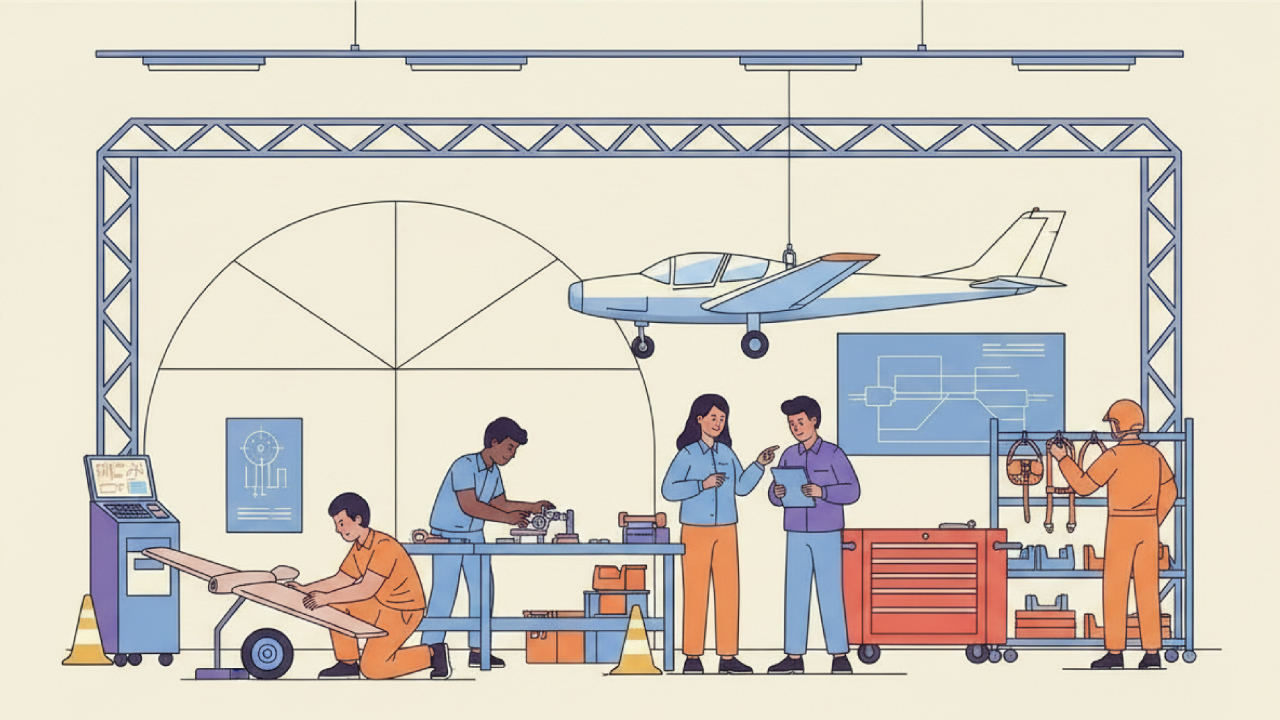
Aerospace & Defence
Discover careers in aerospace & defence, where innovation and teamwork drive progress. Find roles that value practical skills and creative problem-solving, making a real difference in local and global communities.
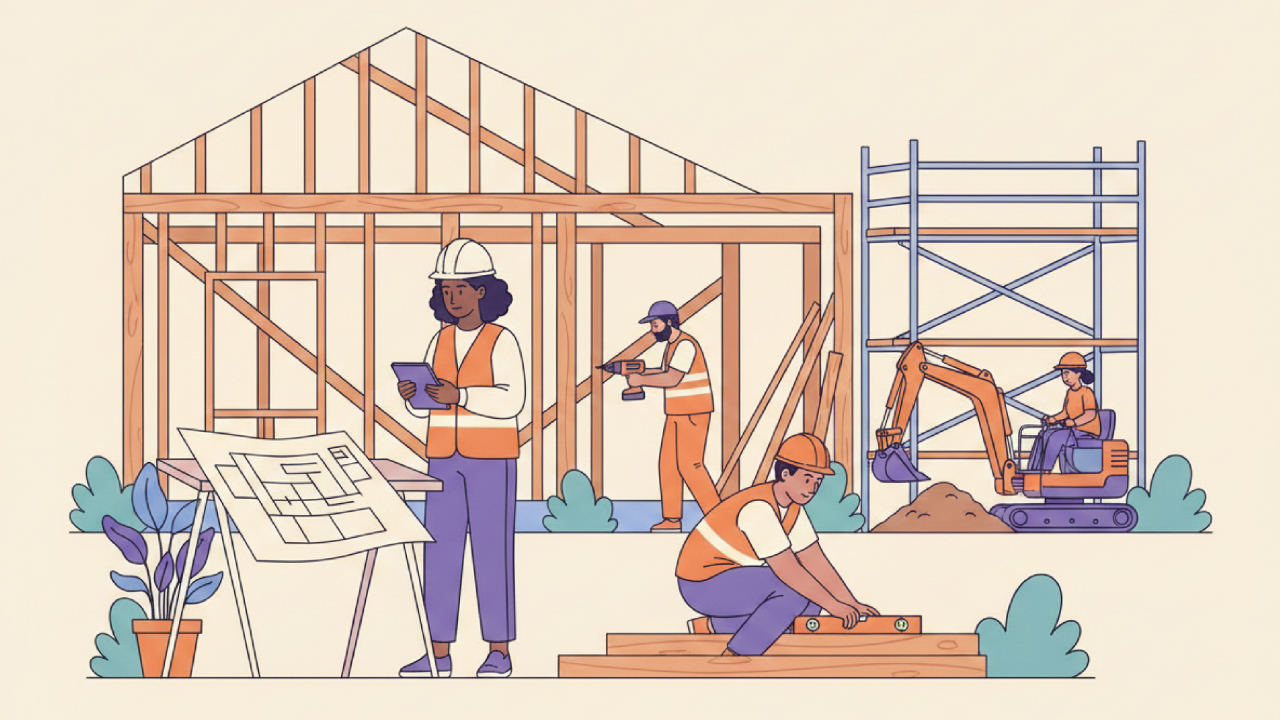
Construction
Build your future in construction, an industry that values practical skills, teamwork, and creative thinking. Opportunities range from hands-on work to project management, all rooted in local development.
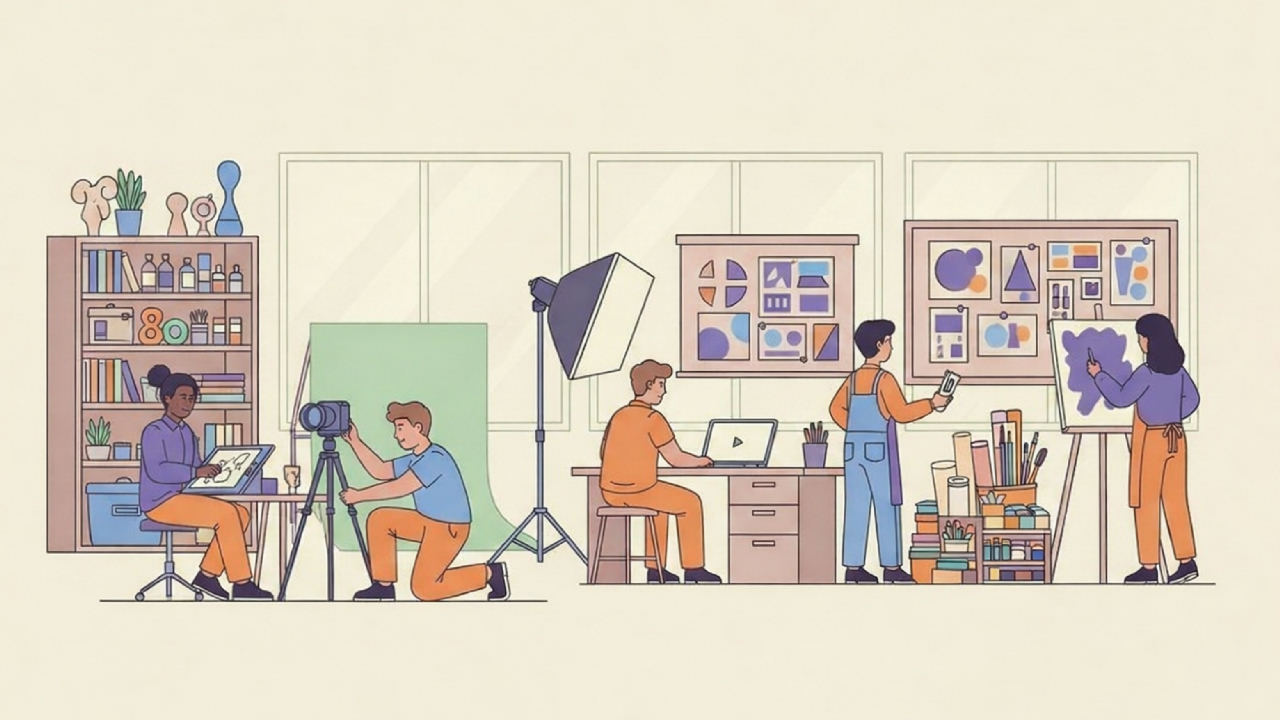
Creative Industries
Express your strengths in the creative industries—arts, design, media, and more. This sector champions fresh ideas, inclusivity, and authentic self-expression, with accessible roles for every talent.
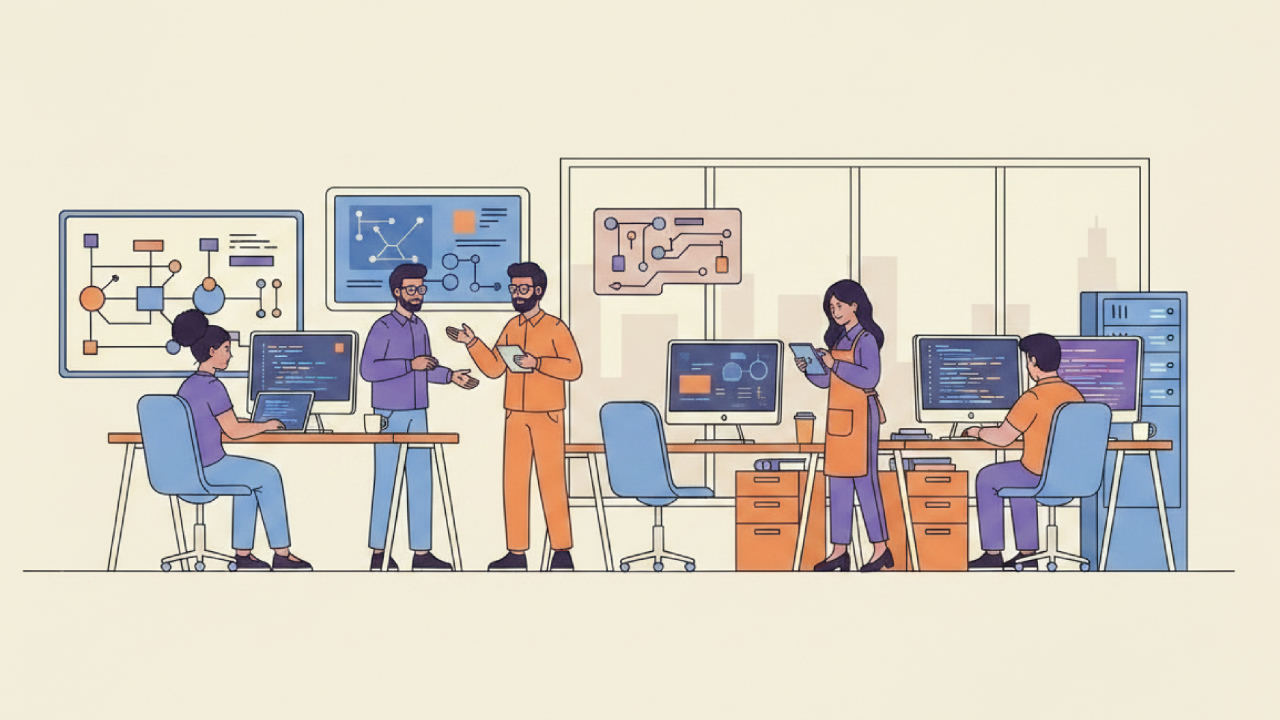
Digital & Tech
Digital and tech careers are perfect for curious, adaptable problem-solvers who love working with technology and new ideas. Whether you’re interested in coding, design, IT support, or digital innovation, this sector values creativity, teamwork, and a drive to keep learning.
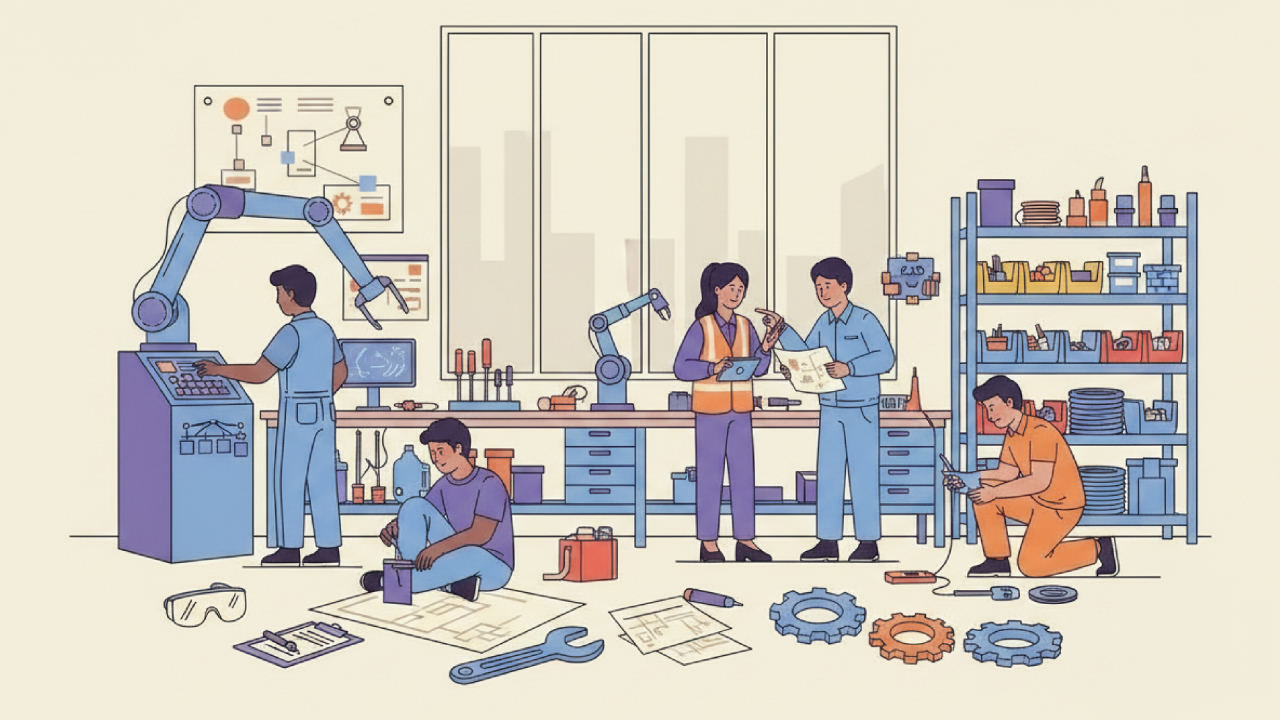
Engineering
Engineering offers pathways for problem-solvers and makers. Whether you love building, designing, or improving systems, your skills can help drive local innovation and sustainable solutions.
Freelance
Build your freelance career with strengths-first support. Whether creative or technical, freelancing offers flexible, accessible opportunities to grow your skills and serve local clients.
Manufacturing
Discover manufacturing careers, where practical skills and attention to detail drive innovation. Accessible roles support local industry and sustainable production.
Mining & Extraction
Join mining & extraction, where safety, teamwork, and adaptability are key. Accessible roles contribute to local industry while supporting responsible resource management.
Science & Research
Explore, discover, and solve the big questions. Science and research offers young people the chance to push boundaries — from lab bench to field work — with growing demand for curious, analytical minds.
Wholesale Trade
Support local economies in wholesale trade, where negotiation, logistics, and relationship-building are key. Accessible roles connect producers and retailers across your region.
Design and Technology is about making things that work and solving real problems with your hands and your head. It helps you think through how something should be made, what materials to use, and how to test if it actually works.
This page shows what Design and Technology looks like in real life, what strengths it can build, and a few low pressure ways to try it, even if you have never thought of yourself as a “making person”.
- Building or fixing things at home, DIY, repairs, customising.
- Making things in school, woodwork, metalwork, textiles, electronics projects.
- Gaming or coding, understanding how systems work and what breaks them.
- Noticing how things are made, taking apart old gadgets, understanding design.
- Solving practical problems, finding a way to make something work better.
- Helping friends or family with a project, building, or fixing something.
Design and Technology is the subject that bridges ideas and reality. It teaches you to think through a problem, plan a solution, make it, test it, and improve it based on what you learn.
Budi treats Design and Technology as a strong signal for practical problem solving, resourcefulness, and the ability to learn from failure. It often links to people who like making, understanding systems, and seeing things through from start to finish.
- - Understand the problem, research, ask questions, and know what success looks like.
- Plan and design, sketch ideas, choose materials, and think through the steps.
- Make and build, use tools safely, follow instructions, and adapt as you go.
- Test and evaluate, does it work, what would you change, what did you learn.
- Improve and refine, make a second version better than the first.
- Communicate your thinking, explain your choices and show your working.
- Understand the problem, research, ask questions, and know what success looks like.
- Plan and design, sketch ideas, choose materials, and think through the steps.
- Make and build, use tools safely, follow instructions, and adapt as you go.
- Test and evaluate, does it work, what would you change, what did you learn.
- Improve and refine, make a second version better than the first.
- Communicate your thinking, explain your choices and show your working.
- Practical problem solving, breaking down a challenge and finding a way forward.
- Resourcefulness, making do with what you have and finding creative solutions.
- Resilience, learning from mistakes and trying again.
- Systems thinking, understanding how parts fit together and affect each other.
- Attention to detail, precision, and safety.
- Confidence with tools and materials, hands-on skills and learning by doing.
- - Engineering and manufacturing
- Designing and building products, machines, systems, prototypes.
- Example roles: engineering technician, manufacturing technician, CAD technician, apprentice engineer.
- Construction and trades
- Building, carpentry, plumbing, electrics, fitting, installation.
- Example roles: apprentice carpenter, apprentice electrician, construction assistant, site technician.
- Product design and innovation
- Creating new products, improving existing ones, testing and refining.
- Example roles: product design assistant, prototype technician, design technician.
- Maintenance and repair
- Keeping things working, troubleshooting, fixing, servicing.
- Example roles: maintenance technician, service technician, repair assistant.
- Robotics and automation
- Building robots, automating processes, coding physical systems.
- Example roles: robotics technician, automation assistant, technical support.
- Engineering and manufacturing
- Designing and building products, machines, systems, prototypes.
- Example roles: engineering technician, manufacturing technician, CAD technician, apprentice engineer.
- Construction and trades
- Building, carpentry, plumbing, electrics, fitting, installation.
- Example roles: apprentice carpenter, apprentice electrician, construction assistant, site technician.
- Product design and innovation
- Creating new products, improving existing ones, testing and refining.
- Example roles: product design assistant, prototype technician, design technician.
- Maintenance and repair
- Keeping things working, troubleshooting, fixing, servicing.
- Example roles: maintenance technician, service technician, repair assistant.
- Robotics and automation
- Building robots, automating processes, coding physical systems.
- Example roles: robotics technician, automation assistant, technical support.
Easy start, 10 mins. Pick something you use every day. Write 5 notes, what it does, how it works, what materials it is made of, one thing that is clever about it, and one thing you would change.
Medium, 20 to 30 mins. Find a simple DIY project online, fix something, or build something small. Follow the steps and notice what is easy and what is tricky.
Stretch, 45 to 60 mins. Design and make something simple, a phone stand, a storage box, or a tool holder. Sketch it first, gather materials, make it, test it, and note one improvement for version two.
Design and Technology can act as a helpful signal for strengths like practical problem solving, resourcefulness, and resilience. Budi combines this with other signals to suggest industries, role types, and next steps. It is not here to box anyone in, it is here to open up options they might not have seen yet.
Design and Technology is for everyone. If access to tools or materials is limited, you can learn the same skills through virtual design software, 3D modelling, or planning projects on paper.
If you have physical limitations, focus on the design and problem solving side, digital tools, coding, or directing others. The skill is thinking through a problem, not doing every step yourself.
- - Engineering & Manufacturing, systems, building, precision.
- Construction & Trades, hands on, building, problem solving.
- Art & Design, creativity, materials, visual thinking.
- Computing (Computer Science / IT / Coding), logic, systems, digital design.
- DIY & Practical Skills, making, fixing, resourcefulness.
- Engineering & Manufacturing, systems, building, precision.
- Construction & Trades, hands on, building, problem solving.
- Art & Design, creativity, materials, visual thinking.
- Computing (Computer Science / IT / Coding), logic, systems, digital design.
- DIY & Practical Skills, making, fixing, resourcefulness.