Content Hub / Explore
Coding & Programming
Love building things with code? Whether it's apps, games, websites, or just tinkering with scripts, coding lets you turn ideas into something real. You don't need to be a maths whiz — just curiosity and patience.
Where this leads
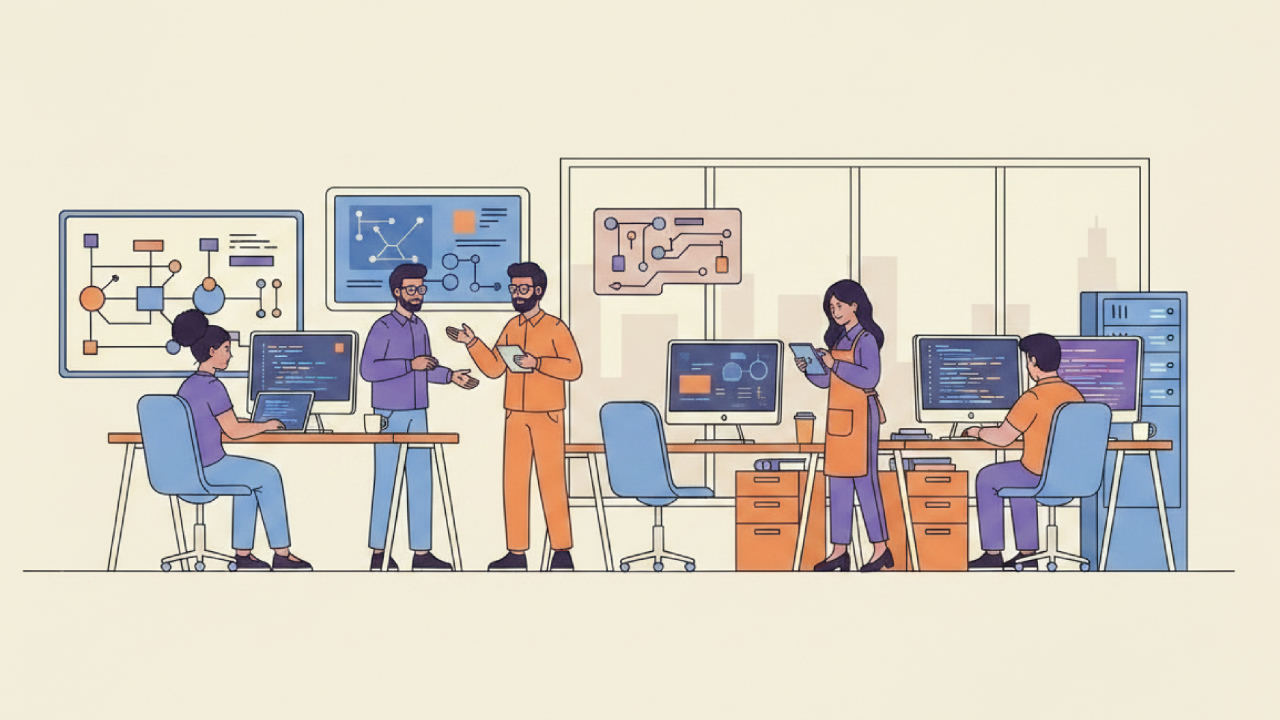
Digital & Tech
Digital and tech careers are perfect for curious, adaptable problem-solvers who love working with technology and new ideas. Whether you’re interested in coding, design, IT support, or digital innovation, this sector values creativity, teamwork, and a drive to keep learning.
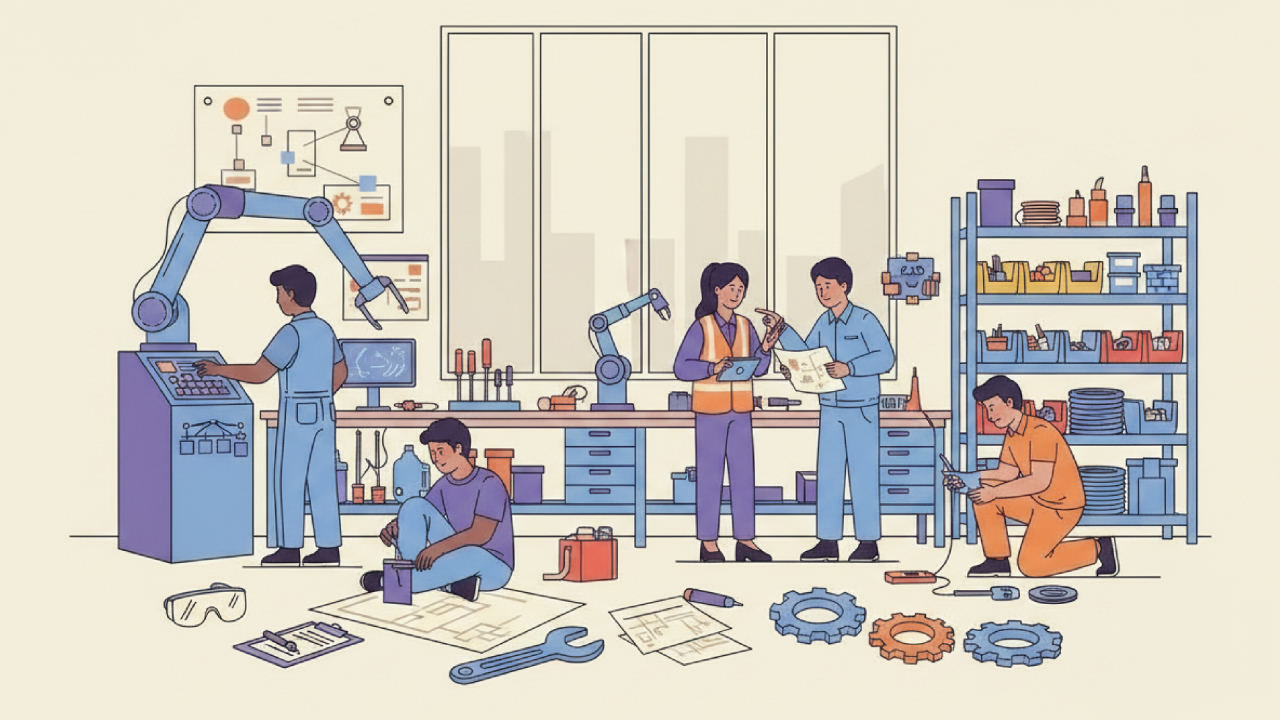
Engineering
Engineering offers pathways for problem-solvers and makers. Whether you love building, designing, or improving systems, your skills can help drive local innovation and sustainable solutions.
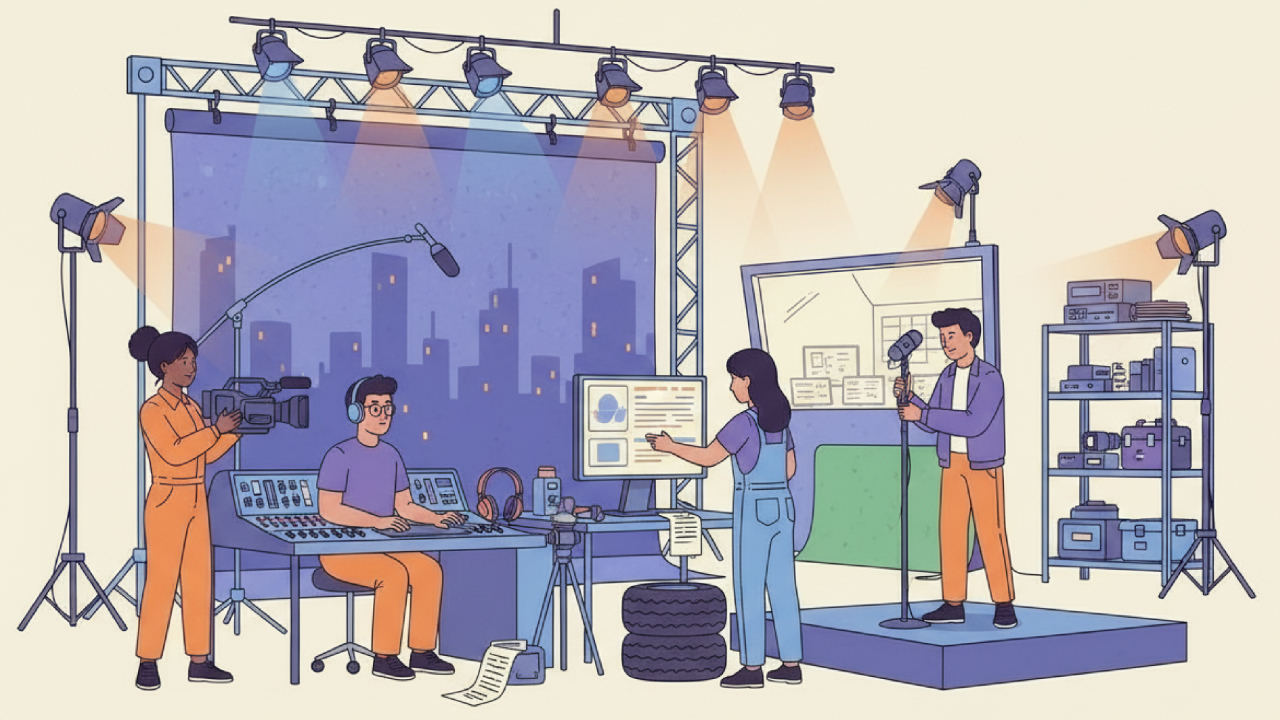
Entertainment & Media
Step into entertainment and media, where creativity and collaboration are celebrated. From production to digital content, this industry values real-world skills and diverse perspectives.
IT & Cyber Security
Step into IT & cyber security, where problem-solving and curiosity are prized. Explore accessible tech roles that keep local businesses and communities safe and connected.
Coding & Programming is about using logic and creativity to make computers do something useful, interesting or fun. It may feel like “just a subject” or “just something you enjoy”, but it can reveal useful strengths, working preferences and routes into the real world.
- customising a website
- building a small game or bot
- automating a repetitive task
- solving coding challenges
- taking apart digital products to understand them
Coding & Programming is a useful clue, not a label. It shows what catches your attention, how you approach challenges and what kind of progress feels satisfying. You do not need to be the best at it for it to count. Curiosity, practice and the way you respond when something goes wrong can all be evidence of strengths.
Budi combines this signal with your other interests, experiences and preferences. One activity can lead towards several industries, and the same strength can show up in many different jobs.
- breaking problems into smaller steps
- writing and testing code
- finding and fixing errors
- using documentation and feedback
- thinking about users, security and accessibility
- logical thinking
- creativity
- persistence
- attention to detail
- independent learning
- systems thinking
- Software and web development
- Data, ai and automation
- Cybersecurity and it
- Games and interactive media
- Product development and testing
- Digital roles across every industry
These are examples rather than a fixed list. Entry routes can include college, sixth form, apprenticeships, volunteering, short courses, self-directed projects and learning on the job.
Easy start: Change one thing in a beginner coding project and predict what will happen.
Medium: Build a tiny project that solves a real problem for you.
Stretch: Publish a small portfolio project with a clear readme and ask for feedback.
When Budi sees coding & programming, it looks for evidence in what you actually did: the decisions you made, skills you practised, problems you solved and ways you helped other people. It uses those signals to suggest role types, industries and realistic next steps. It is here to widen your options, not box you in.
There is no single “right” way to take part. You can adapt the pace, tools, environment, communication method or physical demands. Digital versions, assistive technology, seated approaches, quieter spaces, extra processing time and support from another person can all count. Choose safe, accessible settings and ask schools, clubs, training providers or employers about reasonable adjustments. Watching, planning, researching, organising and supporting others are real forms of participation too.
- Computing
- Robotics & Electronics
- 3D Printing & Modelling
- Gaming & Esports
- Puzzles & Strategy Games