Content Hub / Explore
Beauty (Hair & Beauty)
Covers hairdressing, barbering, make-up artistry, skincare, and nail technology. Builds creative and customer-facing skills with strong self-employment potential — a hands-on career path with real variety and flexibility.
Where this leads
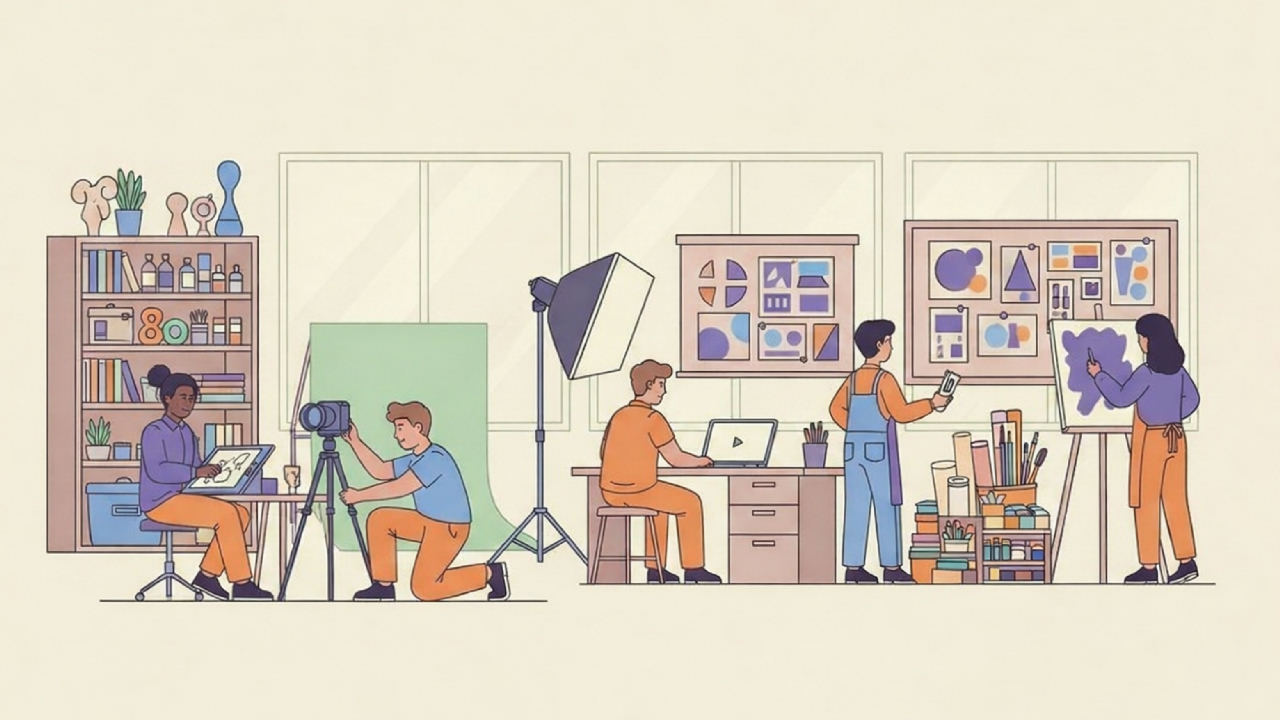
Creative Industries
Express your strengths in the creative industries—arts, design, media, and more. This sector champions fresh ideas, inclusivity, and authentic self-expression, with accessible roles for every talent.
Fashion
Join the fashion industry, where creativity, attention to detail, and collaboration drive success. Discover accessible roles in design, retail, and production, all supporting local brands and trends.
Health & Wellness
Support wellbeing in health & wellness roles. This sector values empathy, communication, and practical skills, with accessible pathways for all backgrounds to foster local health.
Retail & Consumer Goods
Build your career in retail & consumer goods, where people skills and adaptability shine. Accessible opportunities support local businesses and drive community connections.
Beauty—hair, make-up, skincare, and nails—is about making people feel confident, creative, and cared for. It can be hairdressing, barbering, make-up artistry, skincare specialist, or nail technician. It builds hands-on skill, creativity, people skills, and strong potential for self-employment and flexible working.
This page shows what beauty looks like in real life, what strengths it can build, and a few low pressure ways to try it, even if you've never thought of yourself as a "beauty person".
- Being curious about hair, make-up, skincare, or nails—your own or others'.
- Experimenting with hairstyles, trying new looks, or watching tutorials online.
- Doing your own hair care, make-up, or skincare rather than going to professionals.
- Watching hair and beauty vlogs, TikToks, or YouTube channels.
- Working in retail, salons, or customer-facing roles.
- Studying BTEC Beauty, Hairdressing, or NVQ Beauty qualifications.
- Noticing how people's confidence changes with a good haircut or make-up look.
Beauty is a brilliant signal for people who are creative, detail-focused, and genuinely enjoy making others feel good. It's not shallow or superficial; it requires understanding anatomy, colour theory, chemistry, and reading what someone really needs beyond what they ask for.
Budi treats beauty as a clue for creativity, technical skill, people skills, and business acumen. You're building knowledge of techniques, product chemistry, client psychology, and the business savvy to run your own salon or freelance operation.
- Consult and listen, understanding what a client wants, their hair/skin type, and realistic expectations.
- Master technique, developing precision in cutting, colouring, styling, or applying treatments.
- Understand products and chemistry, knowing how different products work and why.
- Communicate clearly, explaining care routines, maintenance, and product choices.
- Build client relationships, remembering preferences, making clients feel valued.
- Manage business aspects, if self-employed: pricing, bookings, stock, hygiene standards.
- Creativity and artistic eye, developing style, colour sense, and innovative looks.
- Technical precision and attention to detail, consistent quality, clean work.
- Confidence and presence, working with clients, making people feel at ease.
- People skills and empathy, listening, understanding needs, building trust and loyalty.
- Business and entrepreneurship, if self-employed: managing clients, pricing, self-promotion.
- Resilience and problem-solving, troubleshooting hair or skin issues, adapting to client needs.
- Salons and spas
- Hair salons, barbershops, beauty spas, holistic wellness centres.
- Example roles: apprentice hairdresser, salon assistant, nail technician trainee, reception.
- Freelance and mobile
- Self-employed hairdresser, freelance make-up artist, mobile beautician.
- Example roles: independent stylist, freelance make-up artist, mobile therapist.
- Theatre, film, and events
- Stage make-up, special effects, bridal styling, event make-up.
- Example roles: make-up assistant, hair and make-up assistant, costume support.
- Retail and product
- Beauty retail, cosmetics counters, product development, beauty blogging.
- Example roles: beauty counter assistant, product tester, beauty influencer, retail associate.
- Education and training
- Beauty schools, training salons, mentoring junior staff.
- Example roles: junior educator, training salon assistant, beauty tutor.
Easy start, 10 to 15 mins. Pick a hairstyle or make-up look you love. Watch a tutorial on how it's done. Notice: the products used, techniques, tools, time required. Try one technique on yourself or a willing friend.
Medium, 30 to 45 mins. Do a full consultation and styling session. Talk to a friend or family member: What's their usual routine? What challenges do they face? What's their hair or skin type? Based on that, suggest three changes they could try and explain why.
Stretch, 1 to 2 hours. Shadow or apprentice with a beauty professional if possible. Help with one client—mixing colour, applying treatments, assisting with styling. Notice: what surprises you? What's satisfying? What's technically hardest?
Beauty can act as a helpful signal for strengths like creativity, technical precision, confidence, people skills, and entrepreneurship. Budi combines this with other signals to suggest industries, role types, and next steps. It's not here to box anyone in; it's here to open up options they might not have seen yet.
Beauty is accessible to diverse bodies and abilities. If standing for long periods is challenging, colour theory, product knowledge, salon reception, or online beauty education work without constant standing. If you have a visible difference or disability, many salons actively recruit from diverse backgrounds—your lived experience matters. If you have chemical sensitivities, product-free or low-chemical beauty modalities like massage or nail care exist. If your hands shake or you have limited dexterity, other beauty paths like colour consultation or product development may suit you better. Always discuss your access needs with employers or training providers.
Different approaches work in beauty—some people are technical perfectionists, others intuitive and creative. Both create transformations.
- Design & Technology, creativity, aesthetics, problem-solving with materials.
- Fashion & Textiles, understanding colour, style, personal presentation.
- Business & Enterprise, self-employment, managing clients, customer service.
- Psychology & Sociology, understanding people, confidence, identity.
- Chemistry, understanding product formulations, reactions, safe practice.