Content Hub / Explore
Drawing & Illustration
Love sketching, doodling, or creating detailed illustrations? Drawing is one of the most versatile creative skills out there — it opens doors to animation, graphic novels, concept art, fashion design, architecture, and so much more.
Where this leads
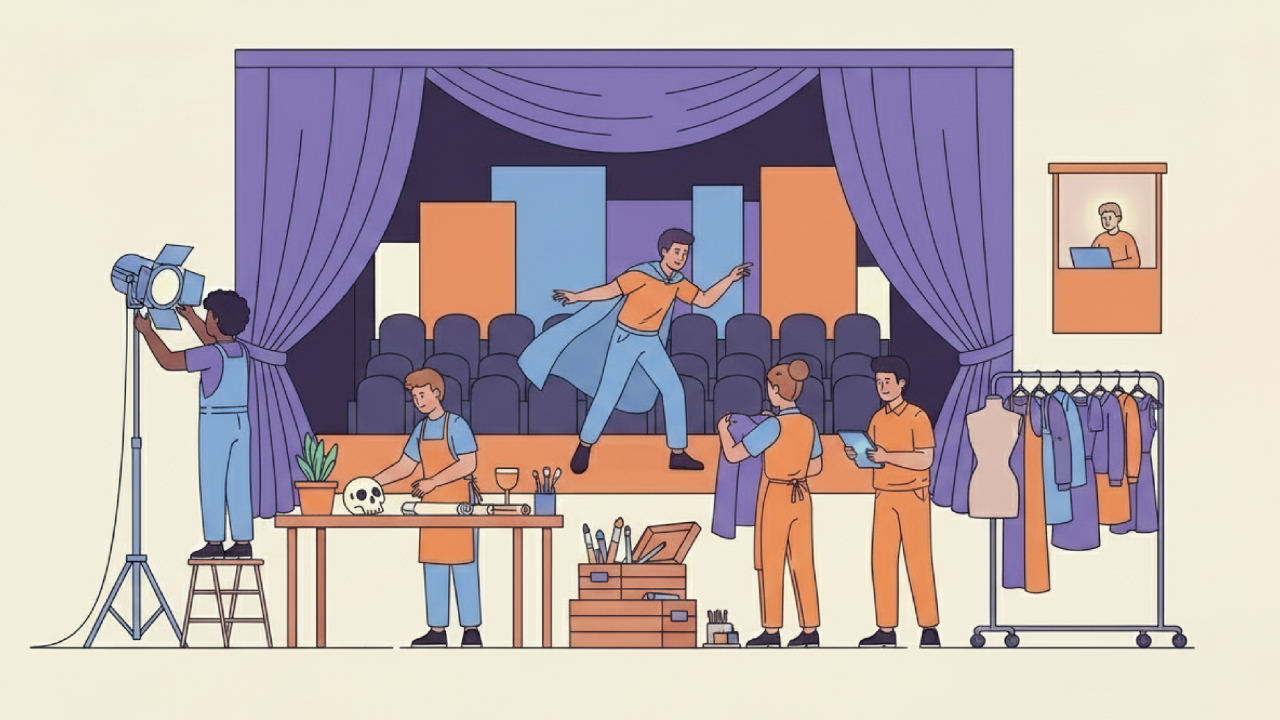
Arts & Culture
Bring ideas to life and shape how people experience the world. Arts and culture careers reward creativity, passion, and the courage to express yourself — with growing opportunities in digital, live events, and community programmes.
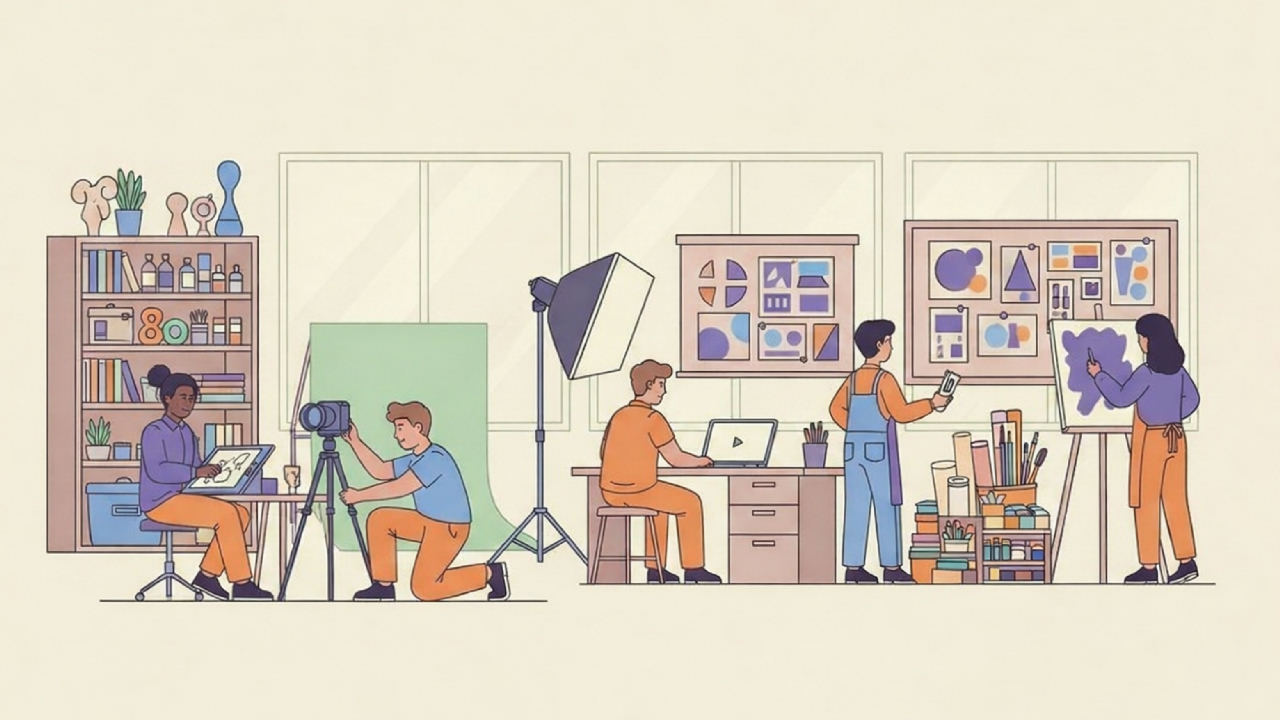
Creative Industries
Express your strengths in the creative industries—arts, design, media, and more. This sector champions fresh ideas, inclusivity, and authentic self-expression, with accessible roles for every talent.
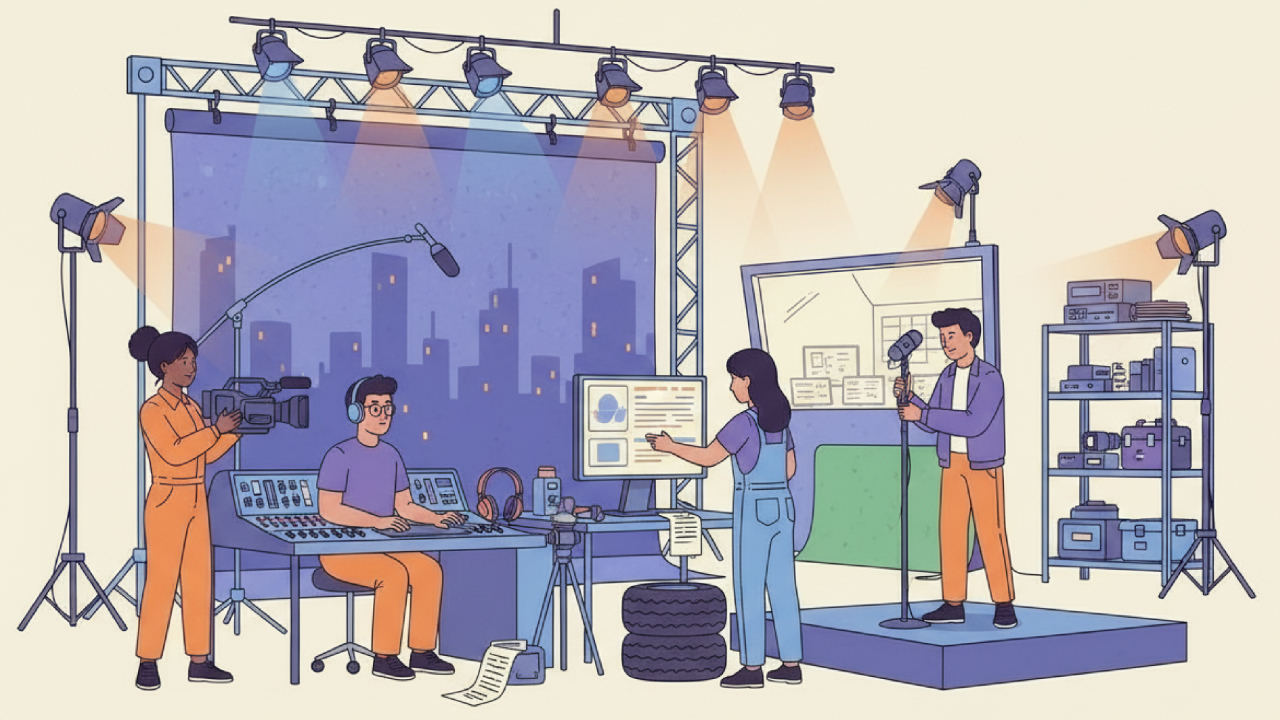
Entertainment & Media
Step into entertainment and media, where creativity and collaboration are celebrated. From production to digital content, this industry values real-world skills and diverse perspectives.
Fashion
Join the fashion industry, where creativity, attention to detail, and collaboration drive success. Discover accessible roles in design, retail, and production, all supporting local brands and trends.
Whether you're learning guitar, teaching yourself piano, or practising saxophone, playing a musical instrument develops discipline, fine motor control, listening skills, and the joy of creating sound. Every note you play is proof that practice compounds into capability.
- Learning an instrument formally or through online tutorials
- Practising regularly and working towards specific pieces or skills
- Playing music with others in a band, orchestra, or jam session
- Performing for others (school concerts, open mic nights, informal gatherings)
- Following musicians and understanding their technique
- Combining your instrument with other interests (songwriting, music production)
- Exploring different musical genres and traditions
- Playing by ear and improvising on your instrument
Playing a musical instrument is one of the most profound strength signals because it demonstrates discipline, auditory processing, fine motor control, and the deep satisfaction of translating intention into sound. Learning an instrument teaches you that genuine skill takes thousands of hours of practice, that early attempts are awkward, and that small incremental improvements compound into mastery. You're also training your ear to hear subtlety and your hands to execute precise, rapid movements. The cognitive load of reading music, maintaining rhythm, and controlling your body simultaneously develops multiple neural pathways. Playing music with others teaches ensemble awareness and communication without words.
- Reading musical notation and understanding how it translates to sound
- Developing finger dexterity, breath control, or physical technique
- Learning pieces and memorising music
- Understanding music theory and how chords and melodies work
- Playing in rhythm and maintaining timing
- Listening and adjusting your sound to match others
- Improvising and creating within musical frameworks
- Troubleshooting technical problems with your playing
- Discipline: You practise consistently even when progress feels slow
- Fine motor control: Your hands, fingers, or embouchure develop precision
- Listening: You train your ear to hear and reproduce subtle sounds
- Patience: You accept that mastery takes years
- Perseverance: You learn difficult passages through repetition
- Confidence: You overcome performance anxiety and play for others
- Creativity: You interpret music and make it your own
- Emotional expression: You communicate feeling through music
- Professional music performance: Musicians perform in orchestras, bands, theatres, concert halls, and sessions
- Music production and recording: Session musicians record albums and create soundtracks
- Music education and teaching: Teachers instruct students from beginner to advanced levels
- Composition and songwriting: Composers and songwriters create original music
- Film and television soundtracks: Musicians perform and record for visual media
- Theatre and musical theatre: Musicians perform in West End and regional productions
- Jazz and improvisation: Jazz musicians improvise in clubs and concert venues
- Studio work and session musicianship: Session musicians provide instrumental parts for artists
- Busking and street performance: Musicians perform in public spaces
- Music therapy: Therapists use music and instruments therapeutically
Easy start: Choose an instrument that speaks to you. If you don't have one, try a friend's or visit a shop and hold different instruments. Then find a free online tutorial or YouTube channel for beginners and learn your first few notes. Set a goal to practise 15 minutes daily for a month.
Medium: Take lessons with a teacher (online or in-person). A good teacher accelerates learning and prevents you from developing bad habits. Commit to a progression of pieces or skills. Join a local group or ensemble — even if you're nervous, playing with others changes everything.
Stretch: Learn a complete piece of music and perform it for someone. Aim to play publicly — even an informal gathering counts. Then set your next challenge: join a band, record a simple track, or work towards a specific musical goal. Let your instrument become part of your identity.
When we see musical instrument skills, we're noting discipline, auditory processing, fine motor control, and the resilience required to develop genuine mastery. We're looking for evidence that you can commit to long-term skill development, work through frustration, and take feedback to improve. These skills signal readiness for careers in music, performance, education, therapy, and any field requiring discipline, precision, and the ability to communicate emotion. Musicians are also highly sought after as they typically demonstrate focus and the ability to coordinate multiple complex tasks.
Playing music can be adapted for many disabilities. If you have mobility limitations, different instruments and adaptive equipment exist — ergonomic chairs, instrument stands, hand splints, and instruments modified for specific grips. If you're blind or have low vision, music is often learned through listening and feel; many blind musicians are exceptional. If you're deaf or hard of hearing, music is felt through vibrations and visual representation; deaf musicians use instruments and notation adapted for their needs. If you have chronic pain, playing at your pace and with pain management is valid — some pieces and instruments are gentler on bodies than others. If you're neurodivergent, the structured, pattern-based nature of music often resonates deeply. Many professional musicians have disabilities and work creatively around them. Your way of playing an instrument is valid and valuable.
- Music production and recording (creating music technologically)
- Music theory and composition (understanding music's structure)
- Singing and vocal performance (your voice as an instrument)
- Dance and movement (moving to the music you play)
- Audio engineering and sound design
- Live performance and stage presence (playing for audiences)
- Music history and culture (understanding music traditions)