Content Hub / Explore
Entrepreneurship / Starting a Business
Covers business planning, marketing, finance, pitching, and the mindset needed to start and grow a business. Builds confidence, resilience, creativity, and practical skills — whether you want to launch your own thing or bring entrepreneurial thinking to any role.
Where this leads
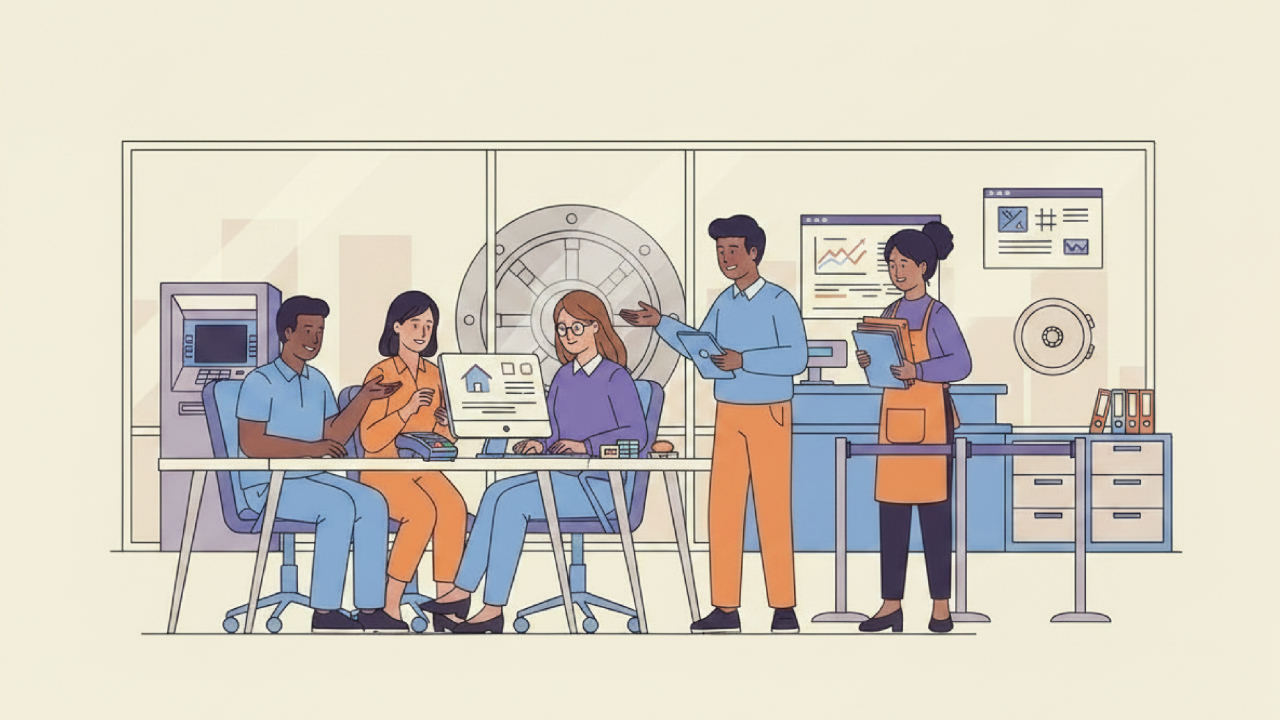
Banking & Finance
Find your fit in banking & finance, where analytical thinking and ethical practices matter most. This industry offers diverse entry points for young people, with a focus on local economic growth and financial wellbeing.

Creative Industries
Express your strengths in the creative industries—arts, design, media, and more. This sector champions fresh ideas, inclusivity, and authentic self-expression, with accessible roles for every talent.
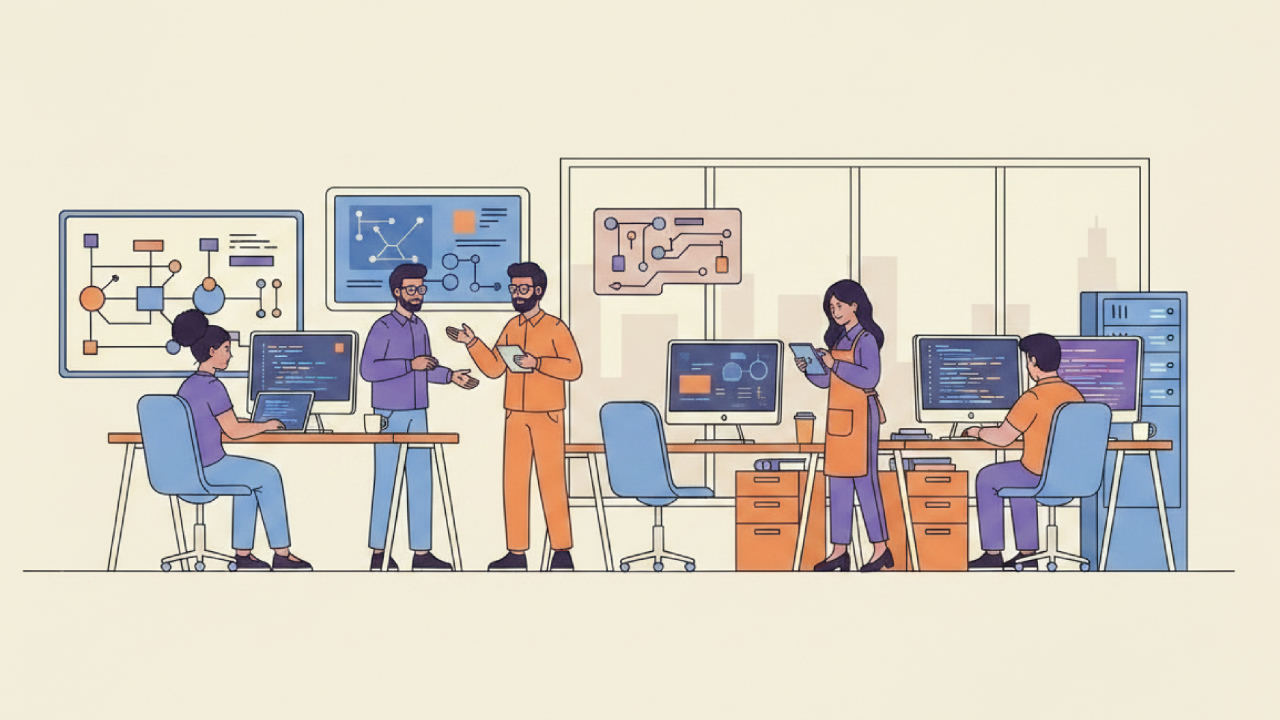
Digital & Tech
Digital and tech careers are perfect for curious, adaptable problem-solvers who love working with technology and new ideas. Whether you’re interested in coding, design, IT support, or digital innovation, this sector values creativity, teamwork, and a drive to keep learning.
Freelance
Build your freelance career with strengths-first support. Whether creative or technical, freelancing offers flexible, accessible opportunities to grow your skills and serve local clients.
Retail & Consumer Goods
Build your career in retail & consumer goods, where people skills and adaptability shine. Accessible opportunities support local businesses and drive community connections.
Entrepreneurship and starting a business is about spotting opportunities, creating value, taking calculated risks, and building something from an idea. It can be launching your own business, joining a start-up, or bringing entrepreneurial thinking to any role. It builds resilience, creativity, self-belief, and practical business skill.
This page shows what entrepreneurship looks like in real life, what strengths it can build, and a few low pressure ways to try it, even if you've never thought of yourself as a "business person".
- Having ideas for businesses, products, or services, even if you haven't acted on them.
- Spotting problems and thinking about solutions, seeing market gaps.
- Selling things—hand-made items, services, or products—even on a small scale.
- Young Enterprise programme, business simulations, or entrepreneurship projects at school.
- Following entrepreneurs, start-ups, or business news—podcasts, books, documentaries.
- Being resourceful, making things work with limited resources, problem-solving creatively.
- Having a side hustle, freelancing, or earning pocket money through your own effort.
Entrepreneurship is a brilliant signal for people who are curious, resilient, and willing to take responsibility for their own success. It's not just for tech founders or risk-takers; it's for anyone who wants autonomy, wants to solve real problems, and believes they can make something work.
Budi treats entrepreneurship as a clue for initiative, creative thinking, resilience, and business acumen. You're building skills in identifying opportunities, planning, pitching ideas, managing risk, and learning from failure without letting it stop you.
- Identify opportunities, spotting problems or gaps, researching market demand.
- Plan strategically, developing business ideas, forecasting finances, understanding risks.
- Build and pitch, creating products or services, testing with customers, pitching to investors.
- Manage operations, handling finance, customer service, logistics, legal requirements.
- Market and sell, understanding customers, building brand, reaching your audience.
- Adapt and learn, responding to feedback, pivoting when needed, staying resilient through setbacks.
- Initiative and self-belief, trusting your ideas, taking responsibility, pushing forward despite uncertainty.
- Creative problem-solving, finding resourceful solutions, thinking laterally, innovating.
- Business and financial thinking, understanding costs, revenue, risk, planning.
- Resilience and persistence, bouncing back from failure, learning from mistakes, staying motivated.
- Customer insight and empathy, understanding needs, building relationships, delivering value.
- Leadership and independence, working autonomously, making decisions, inspiring others if you grow.
- Start-ups and new businesses
- Launching new companies, bringing new ideas to market.
- Example roles: founder, co-founder, early team member, start-up support roles.
- Self-employment and freelancing
- Running your own business, freelance services, consultancy.
- Example roles: freelancer, sole trader, consultant, contractor.
- Small business management
- Managing established small businesses, family businesses, local enterprises.
- Example roles: owner, manager, business development, operations.
- Intrapreneurship
- Bringing entrepreneurial thinking to larger organisations, innovation roles.
- Example roles: innovation manager, product developer, business analyst, strategist.
- Business support and mentoring
- Supporting entrepreneurs, advising, coaching, venture capital.
- Example roles: business advisor, mentor, incubator support, investor relations.
Easy start, 10 to 15 mins. Spot a problem or gap in your area—something people need but can't find easily. Write down: What's the problem? Who has it? How could you solve it? What would you call your business?
Medium, 30 to 45 mins. Plan a simple side hustle or service. Could you sell your skills (tutoring, design, photography, writing)? Could you buy something cheap and resell at a profit? Could you create and sell something (art, crafts, baked goods)? Draft a simple plan: your offer, target customer, pricing, how you'd market it.
Stretch, 1 to 2 hours. Launch a micro-business or side hustle for real. It doesn't have to be big—sell a service, create a product, or offer skills. Track: How much time did you spend? How much revenue did you make? What did you learn? What would you do differently?
Entrepreneurship can act as a helpful signal for strengths like initiative, creativity, business thinking, resilience, customer insight, and leadership. Budi combines this with other signals to suggest industries, role types, and next steps. It's not here to box anyone in; it's here to open up options they might not have seen yet.
Entrepreneurship is accessible to diverse people. If you have a disability or chronic illness, self-employment can offer flexibility others can't match. If you come from a disadvantaged background, social enterprise and impact business are growing. If you're neurodivergent, working for yourself on your own terms can reduce sensory and social stressors. Funding and support programmes exist for people from underrepresented groups. If you're young or have no capital, starting small (social media, freelance, side hustle) costs nothing and teaches you everything you need. What matters is the idea, the willingness to learn, and persistence.
Different approaches work in entrepreneurship—some people are visionary strategists, others tactical operators, and some are relationship-focused community builders. All can build successful businesses.
- Business & Enterprise, understanding markets, customers, finance, management.
- Marketing, Advertising & PR, understanding customers, building brands, reaching audiences.
- Finance & Accounting, understanding money, planning, tax, financial management.
- Technology & Digital, building digital products, platforms, online businesses.
- Leadership & Personal Development, confidence, decision-making, vision, resilience.