Content Hub / Explore
Geography
Explores places, people, and the environment — from rivers and weather to cities and global issues. Combines fieldwork with data skills and builds understanding of how the world connects, which is valuable in planning, sustainability, and public services.
Where this leads
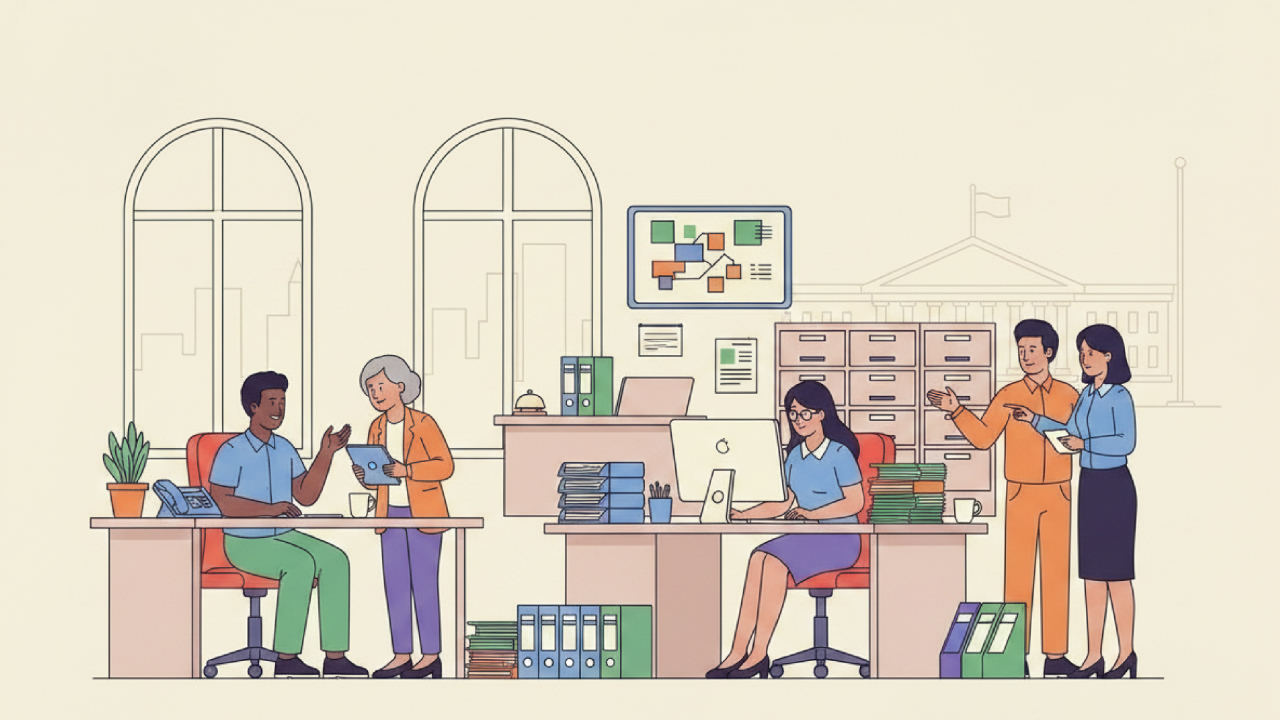
Civil Service
Make a difference in civil service, where dedication to community and fairness is at the heart of every role. Accessible pathways help you support local government and drive positive change.
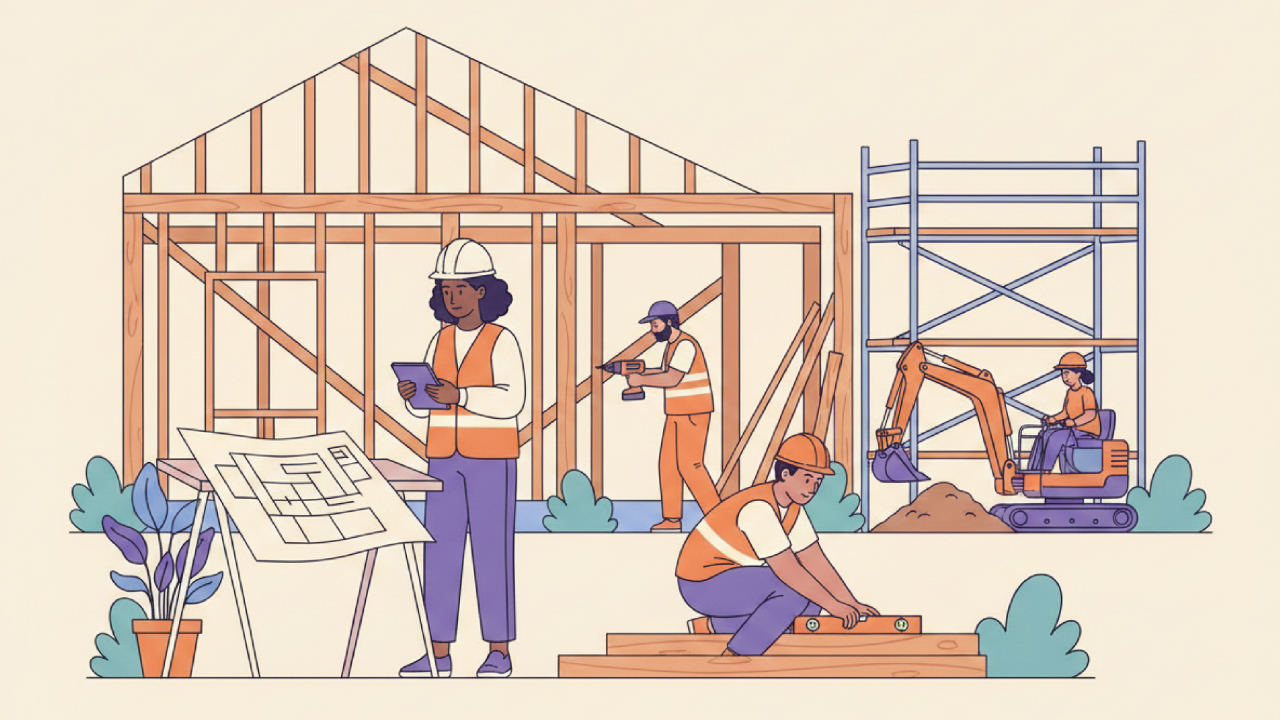
Construction
Build your future in construction, an industry that values practical skills, teamwork, and creative thinking. Opportunities range from hands-on work to project management, all rooted in local development.
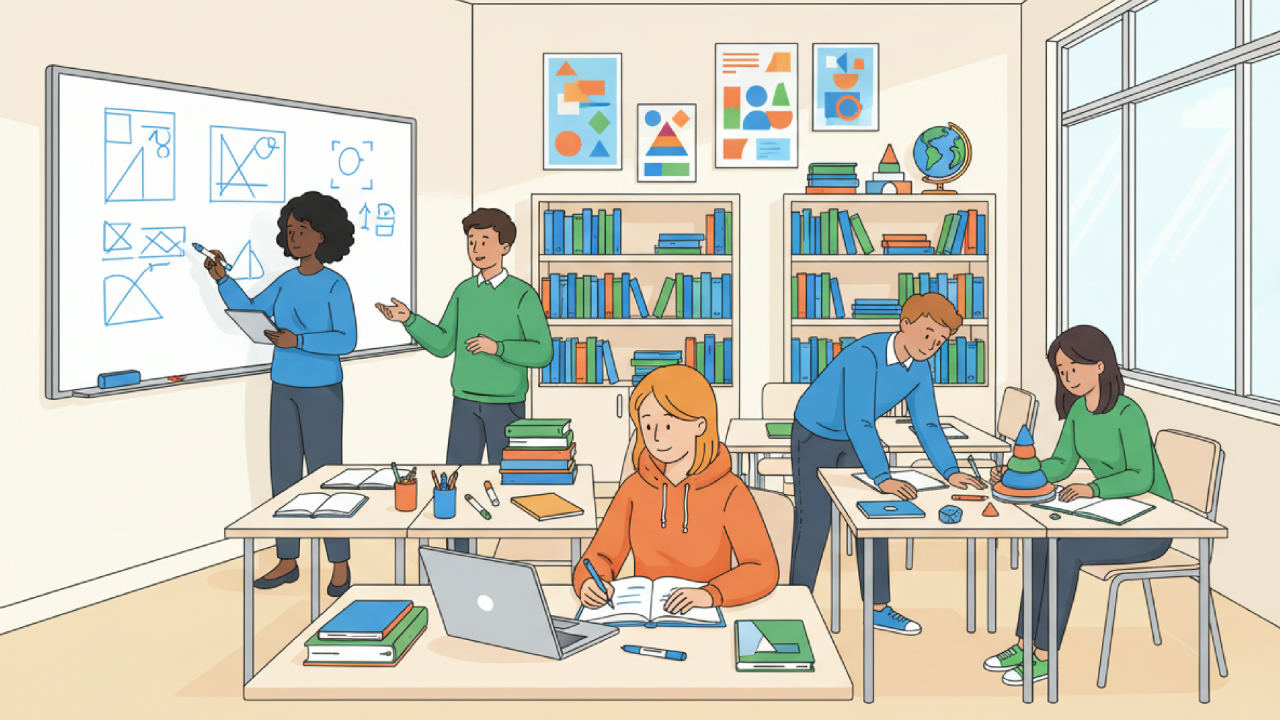
Education
Shape the future in education, supporting learners of all ages. Whether you’re organized, empathetic, or a great communicator, there’s a place for your strengths in schools, training, and community learning.
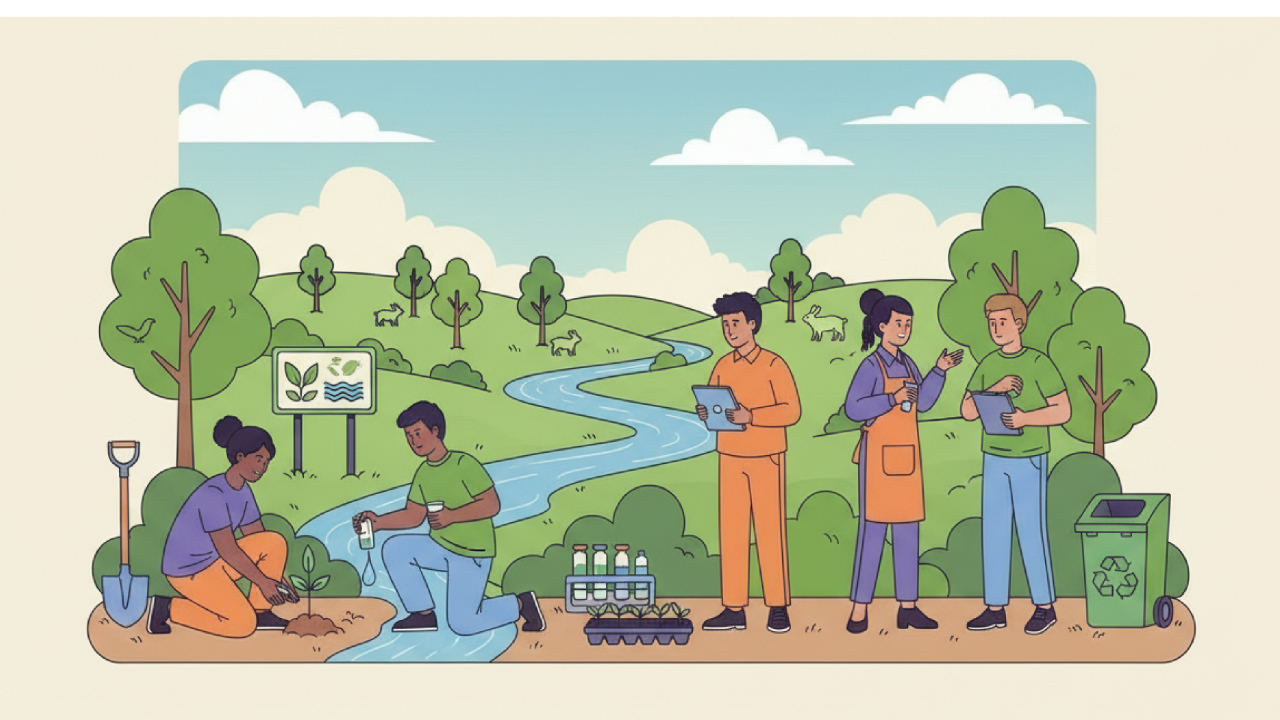
Environmental Services
Make a local impact in environmental services. Roles focus on sustainability, conservation, and community health—ideal for those passionate about protecting our planet and supporting local initiatives.
Mining & Extraction
Join mining & extraction, where safety, teamwork, and adaptability are key. Accessible roles contribute to local industry while supporting responsible resource management.
Science & Research
Explore, discover, and solve the big questions. Science and research offers young people the chance to push boundaries — from lab bench to field work — with growing demand for curious, analytical minds.
Transportation & Logistics
Keep things moving in transportation & logistics, where organization and teamwork matter. Accessible roles help local businesses deliver goods and services efficiently.
Wholesale Trade
Support local economies in wholesale trade, where negotiation, logistics, and relationship-building are key. Accessible roles connect producers and retailers across your region.
Geography is about understanding how places work, and why they change. It helps you connect the dots between people, nature, money, and everyday decisions like housing, transport, flooding, and jobs.
This page shows what Geography looks like in real life, what strengths it can build, and a few low pressure ways to try it, even if you have never thought of yourself as a “Geography person”.
- Family holidays, day trips, and noticing how different places feel (busy, quiet, coastal, rural).
- Using maps on a phone (Google Maps), planning routes, checking travel times, or finding the quickest way somewhere.
- Weather apps, flood alerts, heatwaves, and conversations about climate change (at school or online).
- Watching documentaries or short videos about volcanoes, earthquakes, oceans, cities, or why places are the way they are.
- Local issues, new housing, traffic, green spaces, litter, air quality, or changes to high streets.
Geography is the subject that helps you understand how the world works. It is not just where things are, it is why places change, how people and nature affect each other, and what that means for real life, from flooding and transport to jobs and housing.
Budi treats Geography as a strong clue for people who like noticing patterns, asking why is it like that, and turning real world messiness into clearer decisions.
- What you actually do in Geography (real skill set)
- Observe places, what is happening, what is changing, what works, what does not.
- Use evidence, maps, photos, graphs, news, and local data.
- Compare and explain, why two places feel different, and what causes that difference.
- Think in trade offs, housing vs green space, cars vs air quality, growth vs sustainability.
- Communicate clearly, turning complex issues into something people can understand and act on.
- Curiosity, asking why is it like that, and following the trail.
- Systems thinking, spotting links between people, places, money, and the environment.
- Practical problem solving, looking at evidence and choosing realistic solutions.
- Communication, explaining complex issues clearly in writing, presentations, or discussions.
- Data confidence, using maps, graphs, and results to tell a story, and noticing what is missing.
- Environment and sustainability
- Conservation, climate adaptation, renewable energy, ESG and impact work.
- Example roles, sustainability coordinator, environmental officer, conservation assistant.
- Planning and the built environment
- Town planning, housing, transport planning, regeneration, surveying.
- Example roles, planning assistant, transport planner, surveying technician.
- Data and mapping (GIS)
- Digital mapping, location analysis, emergency planning, logistics and supply chains.
- Example roles, GIS technician, location analyst, logistics planner.
- Public services and community
- Flood risk, public health, local government, international development.
- Example roles, flood risk assistant, community project officer, local government analyst.
Easy start, 10 mins. Pick a local place you know well, your street, school route, or town centre. Write 5 quick notes, what works, what is annoying, what feels unsafe, what has changed, what you would improve.
Medium, 20 to 30 mins. Use a map app to plan two routes to the same place, fastest vs quietest. Compare time, cost, and how it feels.
Stretch, 45 to 60 mins. Choose one big issue, flooding, air quality, housing, or plastic waste. Find 3 different sources and note what they agree on, what they disagree on, and what evidence they use.
Geography can act as a helpful signal for strengths like curiosity, systems thinking, evidence based decision making, and communication. Budi combines this with other signals to suggest industries, role types, and next steps. It is not here to box anyone in, it is here to open up options they might not have seen yet.
Geography can be brilliant for different learning styles. It mixes visuals like maps, real examples, and practical investigation. If fieldwork or travel is not accessible, the same skills can be built through local observations, virtual field trips, and map based projects.
- Cross-links
- Environmental Studies and Sustainability, climate, conservation, green jobs.
- Science (Biology, Chemistry, Physics), weather, ecosystems, evidence and experiments.
- Business and Economics (Enterprise), how decisions shape places, communities, and resources.
- Computing (Computer Science, IT, Coding), mapping tech, data, modelling, GIS tools.