Content Hub / Explore
Marine & Maritime Studies
Covers navigation, marine engineering, maritime law, and ocean ecology. Builds practical seamanship and technical skills for careers at sea, in ports, in marine conservation, or in the growing offshore energy sector.
Where this leads
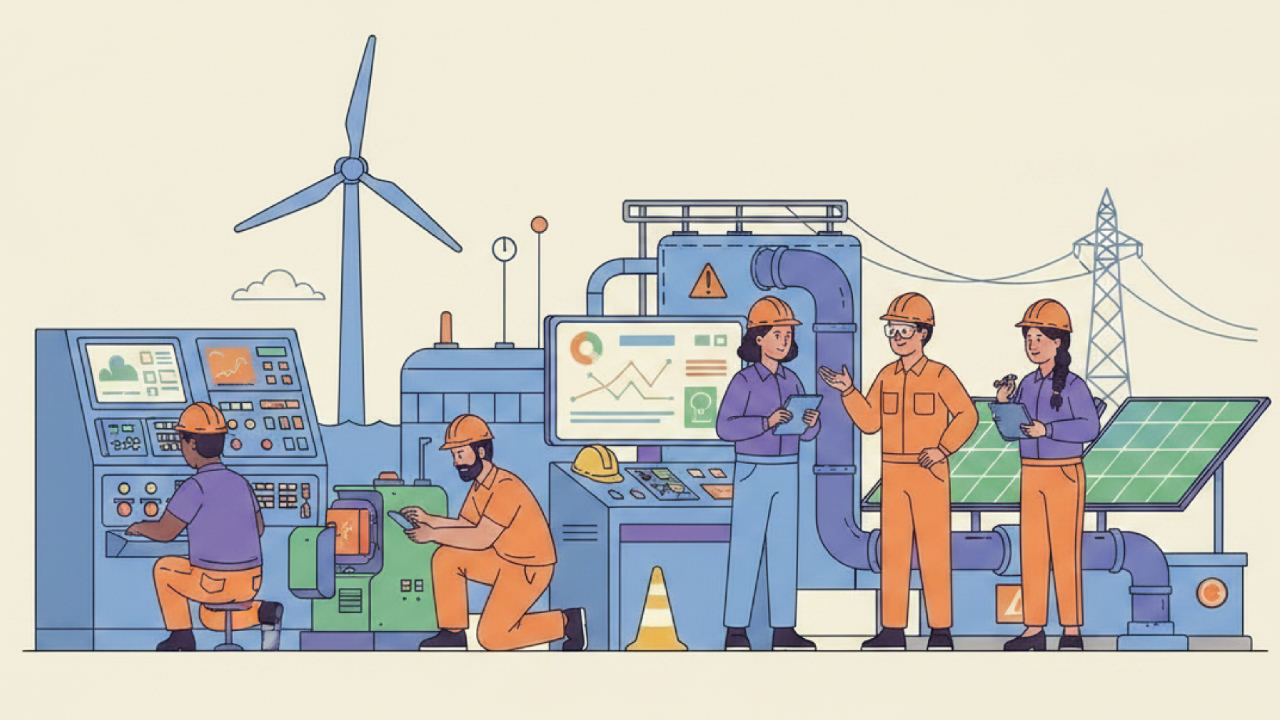
Energy
Join the energy sector, powering change through innovation and sustainability. Opportunities exist for hands-on and technical roles, all contributing to local and national progress.
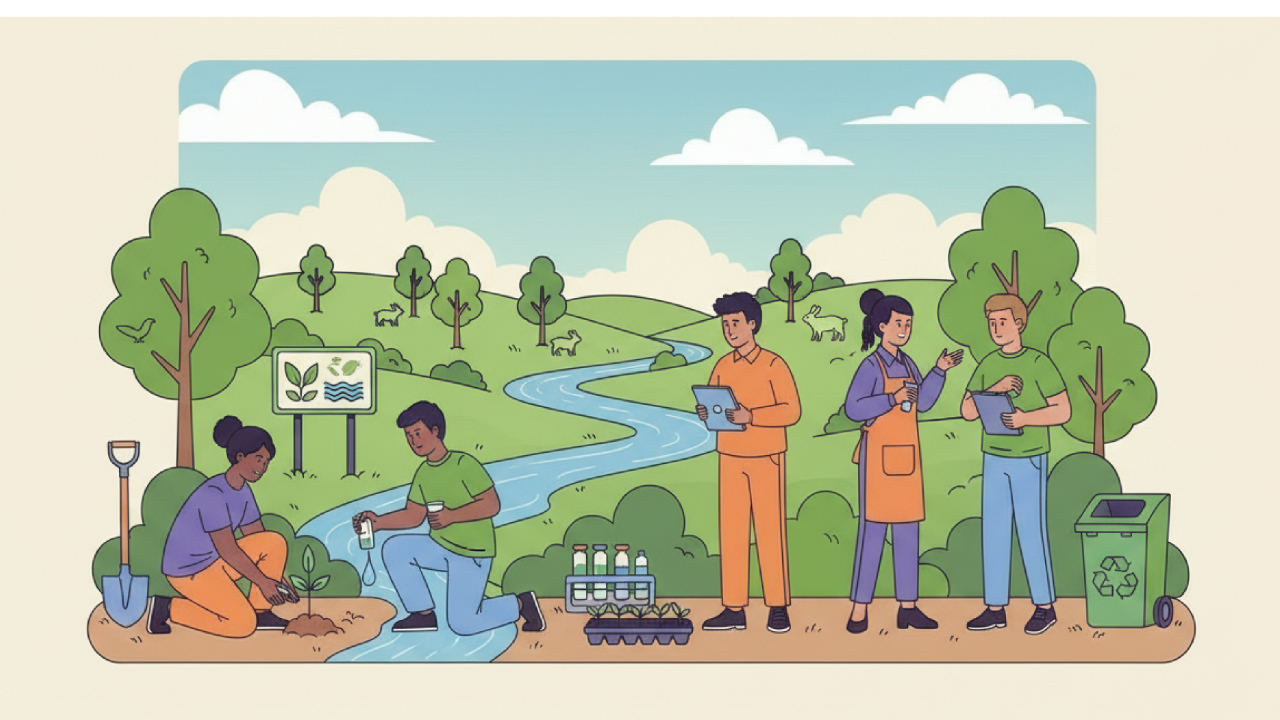
Environmental Services
Make a local impact in environmental services. Roles focus on sustainability, conservation, and community health—ideal for those passionate about protecting our planet and supporting local initiatives.
Marine & Maritime
Explore the marine & maritime industry, offering unique opportunities for teamwork, problem-solving, and adventure. Roles support local economies and environmental stewardship.
Transportation & Logistics
Keep things moving in transportation & logistics, where organization and teamwork matter. Accessible roles help local businesses deliver goods and services efficiently.
Marine and maritime is about working at sea, understanding navigation, engineering vessels, managing ports, and protecting our oceans. It can be sailing commercial ships, managing ports, marine engineering, offshore energy, or conservation. It builds confidence, resilience, technical knowledge, and teamwork in a unique environment.
This page shows what marine and maritime looks like in real life, what strengths it can build, and a few low pressure ways to try it, even if you've never thought of yourself as a "maritime person".
- Being drawn to the sea, water activities, sailing, or boats.
- Playing with model ships, watching maritime documentaries or sea-based films.
- Being curious about how ships work, navigation systems, or port operations.
- Doing water sports—sailing, kayaking, diving, windsurfing, or paddling.
- Reading about expeditions, ocean exploration, or maritime history.
- Playing simulation games with ships or naval strategy.
- Enjoying teamwork and adventure, outdoor activities, or travel.
Marine and maritime is a brilliant signal for people who thrive in dynamic environments, enjoy hands-on work, and want to be part of something bigger than themselves. It's not just about traditional sailing; it's about modern shipping, renewable energy offshore, marine science, and managing the blue economy.
Budi treats marine and maritime as a clue for technical confidence, resilience, teamwork, and adaptability. You're building practical seamanship, problem-solving under pressure, and the ability to work safely in challenging conditions.
- Navigate and plot, reading charts, using GPS and traditional methods, planning routes.
- Operate vessels safely, managing engines, maintaining equipment, following maritime law.
- Communicate clearly, using radio protocols, written logs, and coordinating with crew.
- Manage cargo or passengers, securing loads, planning operations, ensuring safety.
- Maintain equipment and systems, inspecting, repairing, and troubleshooting.
- Work as a team, relying on crew, following procedures, and supporting others.
- Resilience and adaptability, coping with weather, technical problems, and isolation.
- Teamwork and responsibility, depending on crew, following hierarchy, staying alert.
- Technical knowledge, understanding mechanical and navigation systems.
- Problem-solving under pressure, responding calmly to emergencies.
- Independence and confidence, managing responsibility and making decisions.
- Environmental awareness, understanding ocean ecology and sustainability.
- Commercial shipping
- Container ships, tankers, bulk carriers, crew roles, officer positions.
- Example roles: deck cadet, able seaman, bosun, second officer, master.
- Offshore energy and infrastructure
- Oil rigs, wind farms, installation vessels, maintenance operations.
- Example roles: offshore technician, support vessel crew, HSE officer, marine supervisor.
- Ports and logistics
- Port operations, cargo handling, vessel management, planning and coordination.
- Example roles: port operative, stevedore, cargo planner, port assistant.
- Fishing and aquaculture
- Commercial fishing, fish farming, marine resource management.
- Example roles: fishing crew, aquaculture technician, fisheries officer.
- Marine conservation and science
- Research vessels, conservation projects, marine education, monitoring.
- Example roles: research assistant, conservation worker, marine educator.
Easy start, 10 to 15 mins. Pick a major shipping route (e.g. Suez Canal, Panama Canal). On a maritime map, trace the route, note the challenges (weather, piracy, straits), and think about what a crew needs to manage.
Medium, 30 to 45 mins. Try a sailing simulation game or free online navigation challenge. Practice using a chart, GPS, and wind to reach a destination. Notice what's easier or harder than you'd expected.
Stretch, 1 to 2 hours. Visit a port, maritime museum, or waterfront if you can. Talk to someone who works there—a harbour master, fisherman, or shipping office worker. Ask about their route into maritime, what they enjoy, and what surprised them.
Marine and maritime can act as a helpful signal for strengths like resilience, teamwork, technical knowledge, problem-solving, and adaptability. Budi combines this with other signals to suggest industries, role types, and next steps. It's not here to box anyone in; it's here to open up options they might not have seen yet.
Maritime careers vary in their accessibility needs. If working at sea is physically challenging, shore-based roles in ports, cargo planning, navigation support, or marine engineering are brilliant alternatives with similar problem-solving and technical skills. Modern ships have improved accessibility features, and employers are increasingly proactive about reasonable adjustments. If you're neurodivergent, maritime environments can suit systematic, detail-focused minds. Always discuss your needs with employers or training providers early.
Different approaches work here—some people thrive with routine and procedures, others prefer the unpredictability of weather and sea conditions. Both contribute to safe maritime operations.
- Engineering & Manufacturing, technical systems, problem-solving, maintenance.
- Geography, understanding weather systems, routes, global trade, climate.
- Environmental Science, ocean ecosystems, sustainability, conservation.
- Business & Enterprise, logistics, cargo management, port operations.
- Apprenticeships, hands-on learning, real responsibility, practical training.