Content Hub / Explore
Media (Film/TV/Content Creation)
Explores film-making, TV production, content creation, and digital storytelling. Builds skills in editing, camera work, scripting, and visual communication — ideal for anyone who loves creating content or telling stories through screen media.
Where this leads
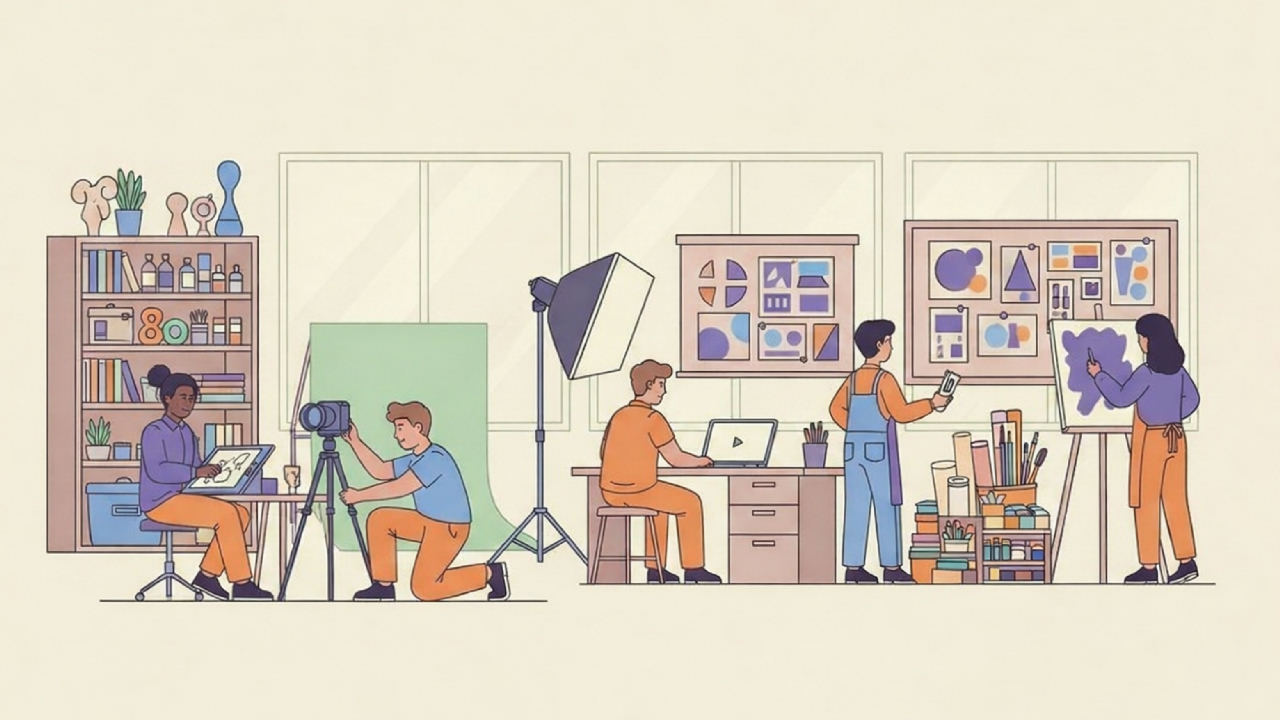
Creative Industries
Express your strengths in the creative industries—arts, design, media, and more. This sector champions fresh ideas, inclusivity, and authentic self-expression, with accessible roles for every talent.
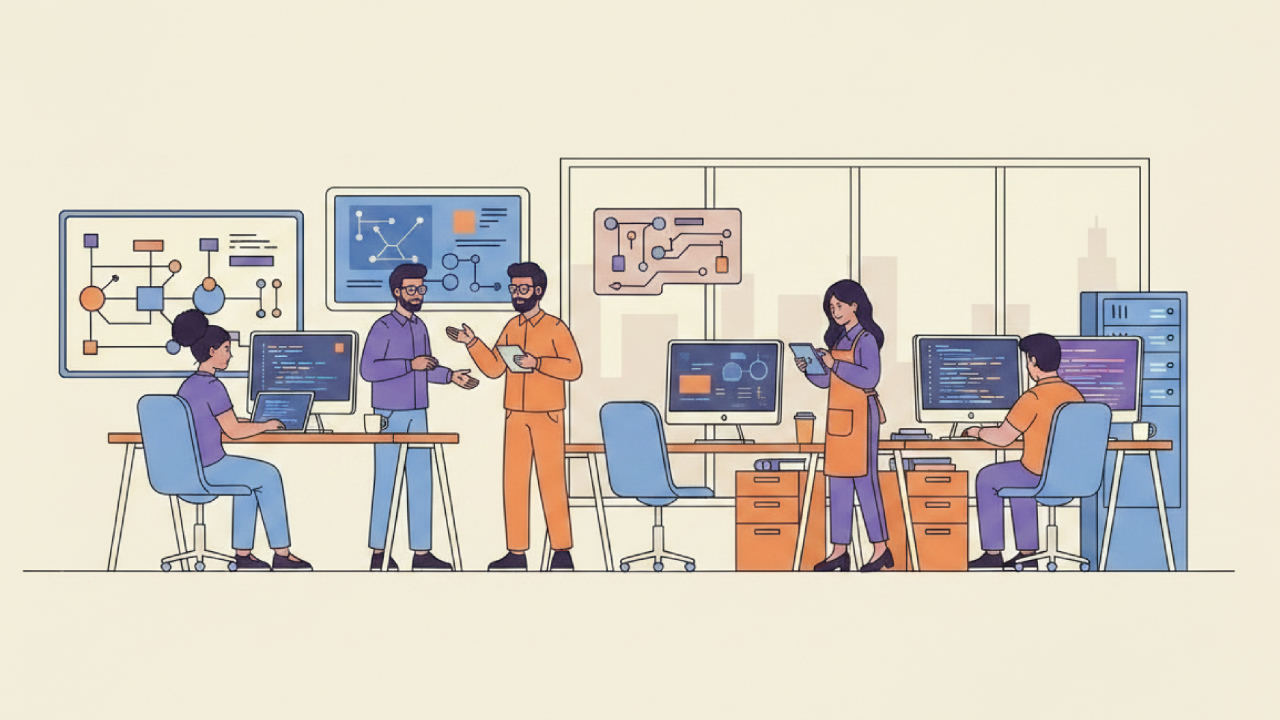
Digital & Tech
Digital and tech careers are perfect for curious, adaptable problem-solvers who love working with technology and new ideas. Whether you’re interested in coding, design, IT support, or digital innovation, this sector values creativity, teamwork, and a drive to keep learning.
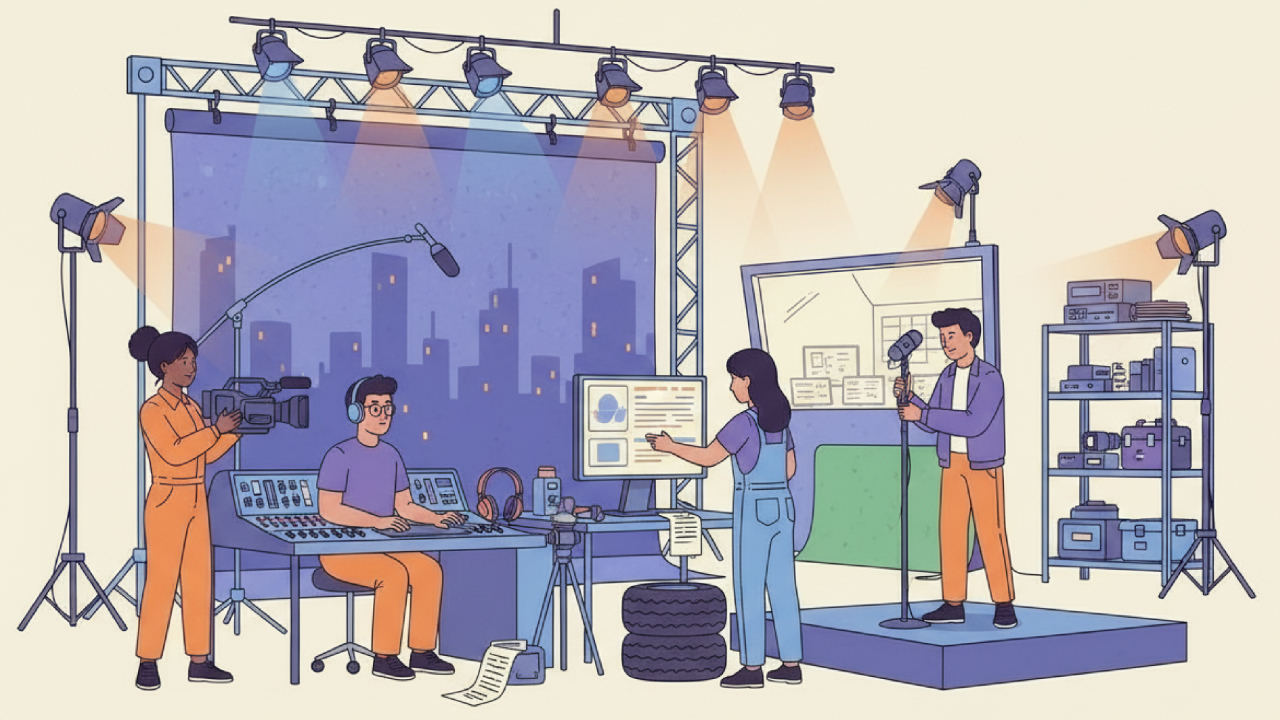
Entertainment & Media
Step into entertainment and media, where creativity and collaboration are celebrated. From production to digital content, this industry values real-world skills and diverse perspectives.
PR & Communications
Shape stories, build brands, and connect with audiences. PR and communications offers creative, fast-paced careers for young people who love writing, strategy, and making an impact through words.
Publishing
Bring stories and ideas to life in publishing, where creativity meets detail. Explore roles in editorial, design, marketing, and production, with clear entry routes for young people.
Media—film, TV, and content creation—is about telling stories that move people, capturing attention, and shaping how audiences see the world. It can be editing, directing, scriptwriting, sound design, or producing content for any platform. It builds creative confidence, technical skill, and the ability to communicate complex ideas through visual and audio storytelling.
This page shows what media looks like in real life, what strengths it can build, and a few low pressure ways to try it, even if you've never thought of yourself as a "media person".
- Watching films, TV, or YouTube and thinking about how scenes are constructed.
- Creating content for TikTok, Instagram, or YouTube, editing clips on your phone.
- Being the person who helps with school productions, filming, or sound.
- Playing video games and noticing cinematography, direction, and storytelling.
- Studying GCSE or A Level Media Studies, analysing advertising and film.
- Making fan edits, trailers, or remixes on video editing apps.
- Telling stories through memes, short form videos, or voice-overs.
Media is a brilliant signal for people who think in sequences, notice emotion and pacing, and want to create something that lands with an audience. It's not just about the big screen; it's about understanding how to hold attention, build mood, and make people care in 15 seconds or 90 minutes.
Budi treats media as a clue for creative vision, technical confidence, storytelling ability, and empathy. You're building skills in narrative structure, audience understanding, and the technical tools to bring ideas to life.
- Conceive and plan, brainstorming ideas, writing scripts, storyboarding shots.
- Shoot and capture, directing actors, managing crew, capturing footage systematically.
- Edit and refine, cutting sequences, timing sound, colour grading, visual effects.
- Design sound and music, creating atmosphere, timing audio to visuals.
- Direct creatively, making aesthetic choices, communicating vision to a team.
- Understand audience, analysing what works, why people engage, what lands.
- Creative vision and storytelling, shaping narratives that engage audiences.
- Technical confidence, learning cameras, editing software, sound design tools.
- Attention to detail and pacing, understanding how every frame and second counts.
- Collaboration and leadership, working with crew, directing actors, managing feedback.
- Problem-solving and resourcefulness, making brilliant work with limited budget or time.
- Empathy and emotional intelligence, understanding what makes audiences feel and care.
- Broadcasting and television
- TV production, documentaries, news, current affairs.
- Example roles: production assistant, researcher, assistant editor, runner.
- Film and cinema
- Feature films, short films, commercials, music videos.
- Example roles: production assistant, script supervisor, assistant editor, runner.
- Content creation and digital media
- YouTube, TikTok, Instagram, podcasts, streaming platforms.
- Example roles: content creator, video editor, producer, social media strategist.
- Advertising and marketing
- Commercial production, campaigns, branded content, visual advertising.
- Example roles: junior producer, production assistant, content creator, copywriter.
- Games and interactive media
- Game cinematics, live events, virtual experiences, interactive storytelling.
- Example roles: video editor, animator, technical producer, narrative designer.
Easy start, 10 to 15 mins. Pick a film or TV scene you love. Watch it twice: once to enjoy, once to analyse. Notice: the shots used, how emotion is created, how sound supports the story, pacing. Write one observation that surprised you.
Medium, 30 to 45 mins. Plan a 60-second story: beginning, middle, end. Sketch or describe each shot. What's the emotion? How does sound help? Now shoot it on your phone, edit it in a free app (CapCut, iMovie, or DaVinci Resolve Lite).
Stretch, 1 to 2 hours. Shoot and edit a 3 to 5 minute short film. Work with a friend or family member. Focus on one creative choice: interesting camera angles, colour grading, or sound design. Ask for feedback and do one revision pass.
Media can act as a helpful signal for strengths like creative vision, technical confidence, storytelling, collaboration, and empathy. Budi combines this with other signals to suggest industries, role types, and next steps. It's not here to box anyone in; it's here to open up options they might not have seen yet.
You don't need expensive equipment or software to start. Free tools like DaVinci Resolve, CapCut, and iMovie can create professional-quality work. If you're deaf or hard of hearing, you can still work in media—captioning, visual narrative, and design are brilliant paths. If you're blind or have low vision, audio description, sound design, and scriptwriting use the same creative muscles. If you have mobility challenges, consider directing, scripting, or editing rather than camera work.
Different approaches work in media—some people plan everything, others improvise and discover. Both create brilliant work.
- Photography & Videography, visual storytelling, composition, technical skill.
- Drama & Performing Arts, storytelling, direction, character, performance.
- English (Language & Literature), writing, narrative structure, dialogue.
- Journalism & Publishing, research, truth-telling, audience engagement.
- Digital Arts, visual design, animation, creative technology.