Content Hub / Explore
Military & Uniformed Services
Covers military preparation, public services, fitness, teamwork, and discipline. Builds leadership, resilience, and practical skills for careers in the armed forces, police, fire service, ambulance, prison service, and other uniformed roles.
Where this leads
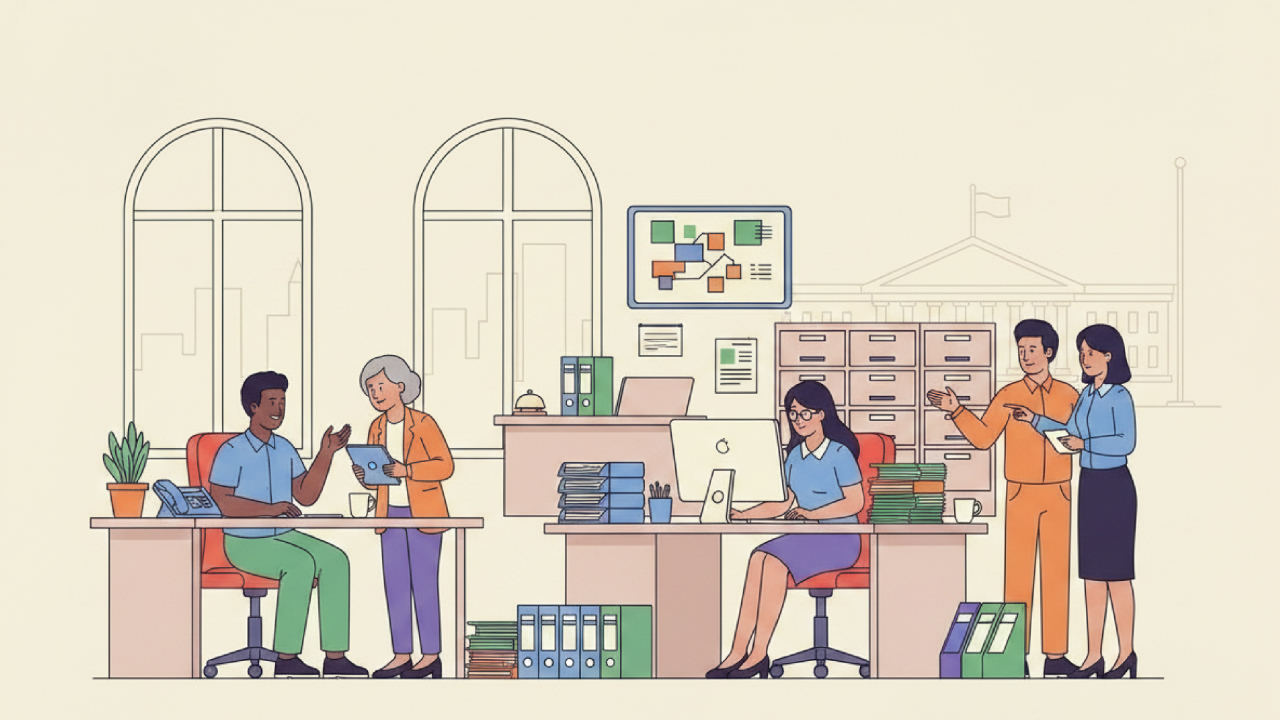
Civil Service
Make a difference in civil service, where dedication to community and fairness is at the heart of every role. Accessible pathways help you support local government and drive positive change.
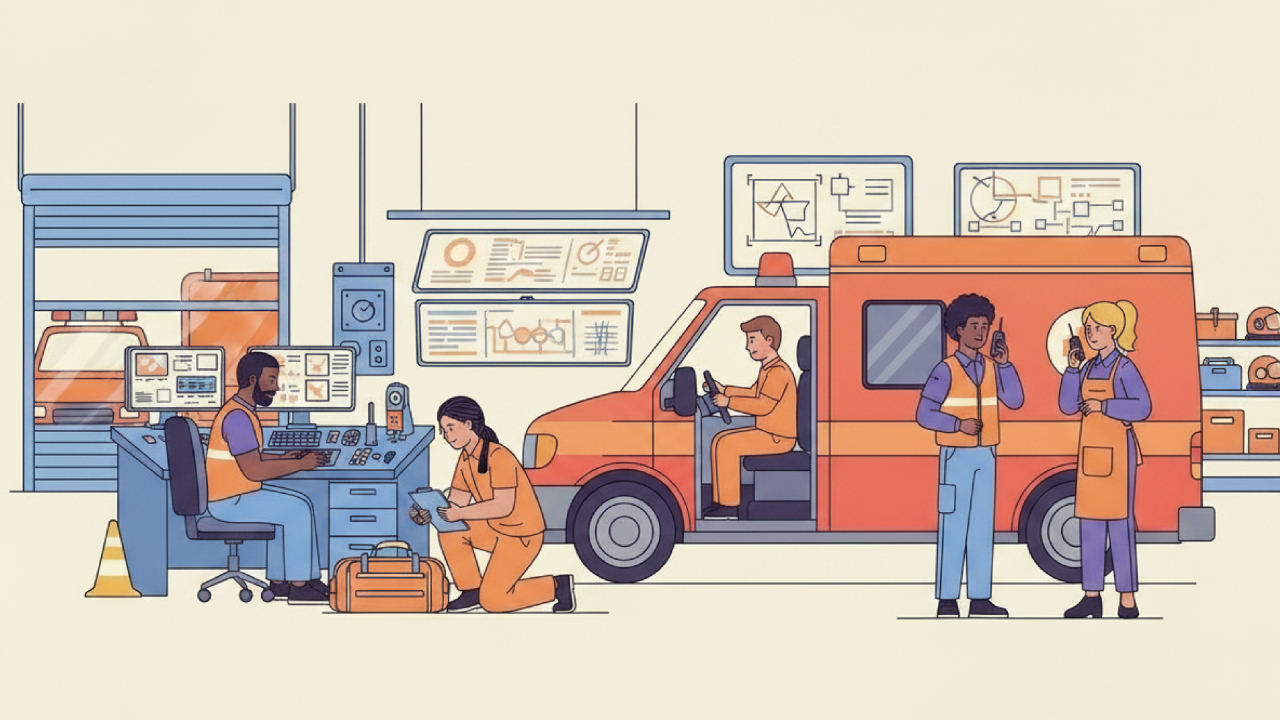
Emergency Services
Serve your community in emergency services, where resilience, teamwork, and empathy are essential. Accessible entry points offer opportunities to help others and build valuable life skills.
Security
Protect people, places, and businesses in security, where vigilance, communication, and calm decision-making matter. Roles range from frontline guarding to control rooms and cyber-adjacent operations, with clear progression routes.
Transportation & Logistics
Keep things moving in transportation & logistics, where organization and teamwork matter. Accessible roles help local businesses deliver goods and services efficiently.
Military and uniformed services—armed forces, police, fire service, ambulance—is about protecting others, serving communities, and working in structured, high-responsibility environments. It builds leadership, discipline, resilience, and practical problem-solving under pressure.
This page shows what military and uniformed services looks like in real life, what strengths it can build, and a few low pressure ways to try it, even if you've never thought of yourself as a "uniformed services person".
- Interest in structured environments, clear hierarchies, and purposeful work.
- Physical fitness, enjoying exercise, team sports, outdoor activities.
- School cadet forces, combined cadet forces, or similar programmes.
- Being drawn to helping others, responding to emergencies, or protecting communities.
- Interest in vehicles, equipment, mechanics, or technical systems.
- Studying BTEC Uniformed Services or similar qualifications.
- Playing strategy games, military simulations, or enjoying action films/documentaries.
Military and uniformed services is a brilliant signal for people who are disciplined, reliable, and motivated by service and protecting others. It's not just about physical toughness; it requires leadership, decision-making under pressure, and the ability to work as part of a tightly coordinated team where lives depend on each other.
Budi treats military and uniformed services as a clue for leadership, resilience, technical skill, and commitment to service. You're building skills in following procedures, taking responsibility, managing crises, and the confidence that comes from knowing you can handle extreme situations.
- Follow procedures and protocols, understanding orders, maintaining discipline, ensuring safety.
- Work as a team, depending on colleagues, communicating clearly, supporting others under pressure.
- Develop physical and technical capability, fitness, equipment handling, specialised skills.
- Make decisions under pressure, responding to emergencies, assessing risks, taking action quickly.
- Lead and manage, if senior roles, guiding teams, making decisions affecting people's safety.
- Maintain standards, professionalism, duty of care, ethical practice in complex situations.
- Leadership and responsibility, managing teams, making critical decisions, duty of care.
- Physical and mental resilience, handling stress, staying focused under pressure, recovering from trauma.
- Teamwork and trust, depending on colleagues completely, coordinating complex operations.
- Technical competence, learning specialist skills, maintaining equipment, precision.
- Courage and commitment, facing danger, serving others, putting community first.
- Integrity and discipline, upholding values, following procedures, setting standards.
- Armed forces (Army, Navy, RAF, Royal Marines)
- Combat roles, technical roles, logistics, medical support.
- Example roles: recruit, soldier, technician, medic, officer trainee.
- Police and law enforcement
- Community policing, response teams, investigations, public order.
- Example roles: police officer, special constable, police support officer, trainee detective.
- Fire and rescue
- Firefighting, rescue operations, community safety, technical rescue.
- Example roles: firefighter, firefighter apprentice, control room operator, rescue technician.
- Ambulance and emergency medical
- Emergency response, patient care, hospital support, emergency control.
- Example roles: paramedic, emergency care assistant, ambulance technician, control room operator.
- Border and security services
- Border force, coast guard, security roles, customs.
- Example roles: officer, control room operator, technical specialist, patrol officer.
Easy start, 10 to 15 mins. Research one uniformed service that interests you. What's the typical path into it? What do officers do day-to-day? What physical and psychological qualities do they need? Write three findings that surprised you.
Medium, 30 to 45 mins. Test your physical fitness baseline. Time yourself running 1 or 2 miles, or do a fitness circuit. Track: how you feel before, during, and after. Set a goal to improve one metric over the next month.
Stretch, 1 to 2 hours. If possible, do a taster day or visit with a local service—police, fire, ambulance, or armed forces. Ask about recruitment, training, what they love about the role, and what's challenging. Watch how they work as a team.
Military and uniformed services can act as a helpful signal for strengths like leadership, resilience, teamwork, technical competence, courage, and integrity. Budi combines this with other signals to suggest industries, role types, and next steps. It's not here to box anyone in; it's here to open up options they might not have seen yet.
Uniformed services are increasingly accessible. If you have physical differences or disabilities, many services have adapted roles—command centres, logistics, technical support, medical roles—that don't require frontline deployment but offer similar teamwork and purpose. If you have mental health challenges, you're not automatically excluded; many services now actively support mental wellbeing and offer counselling. If you're neurodivergent, structured environments, clear procedures, and rule-based work can actually suit you well. If you're transgender or from a minority background, recruitment and inclusive practice policies are improving. Always have a conversation with recruiting officers about your specific situation.
Different approaches work in uniformed services—some people lead through presence and authority, others through quiet reliability and expertise. Both are valued.
- Physical Education & Sport, fitness, teamwork, competition, resilience.
- Health & Social Care, serving others, helping in crises, duty of care.
- Engineering & Manufacturing, technical systems, equipment, problem-solving.
- Leadership & Personal Development, confidence, decision-making under pressure.
- Volunteering & Community Work, community service, making a difference.