Content Hub / Explore
Social Sciences (Psychology / Sociology / Politics)
Covers psychology, sociology, and politics — exploring how people think, how society works, and how power shapes the world. Builds analytical and research skills that lead into mental health, social work, policing, policy, and beyond.
Where this leads
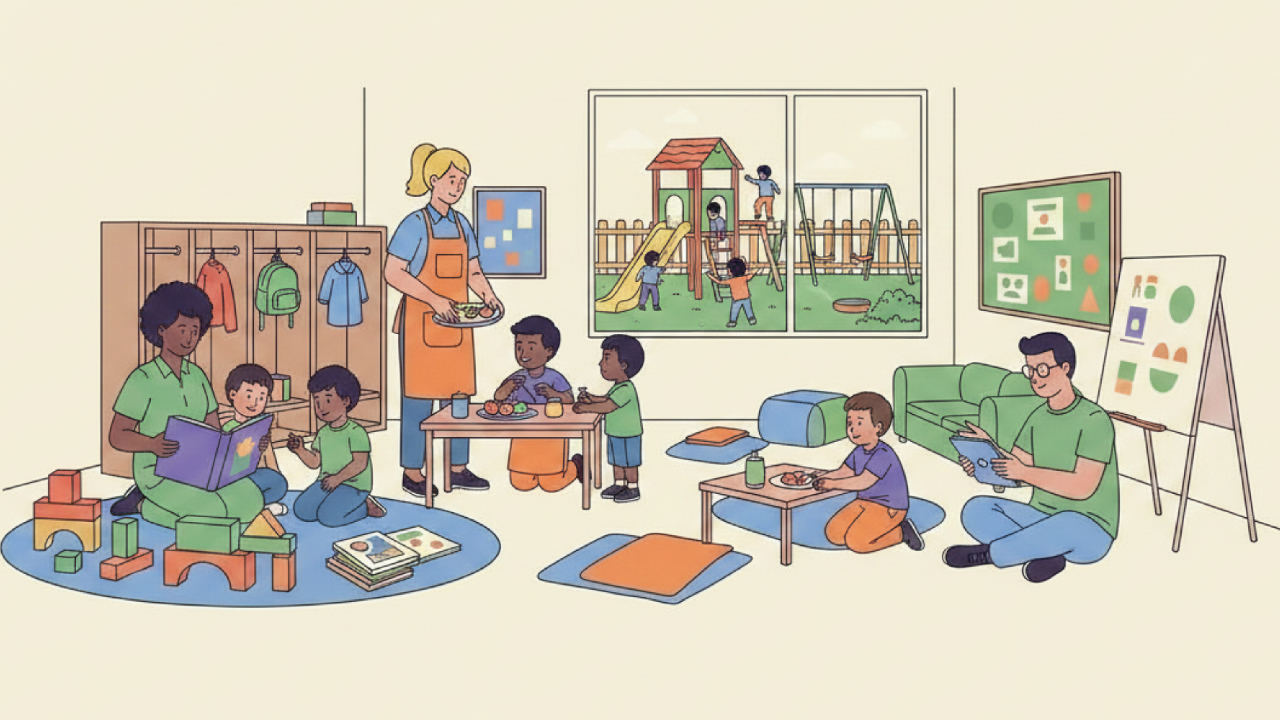
Childcare & Early Years
Make a real difference in children's earliest years, where patience, creativity, and care shape futures. Accessible roles with clear progression from assistant to manager, all rooted in nurturing young minds.
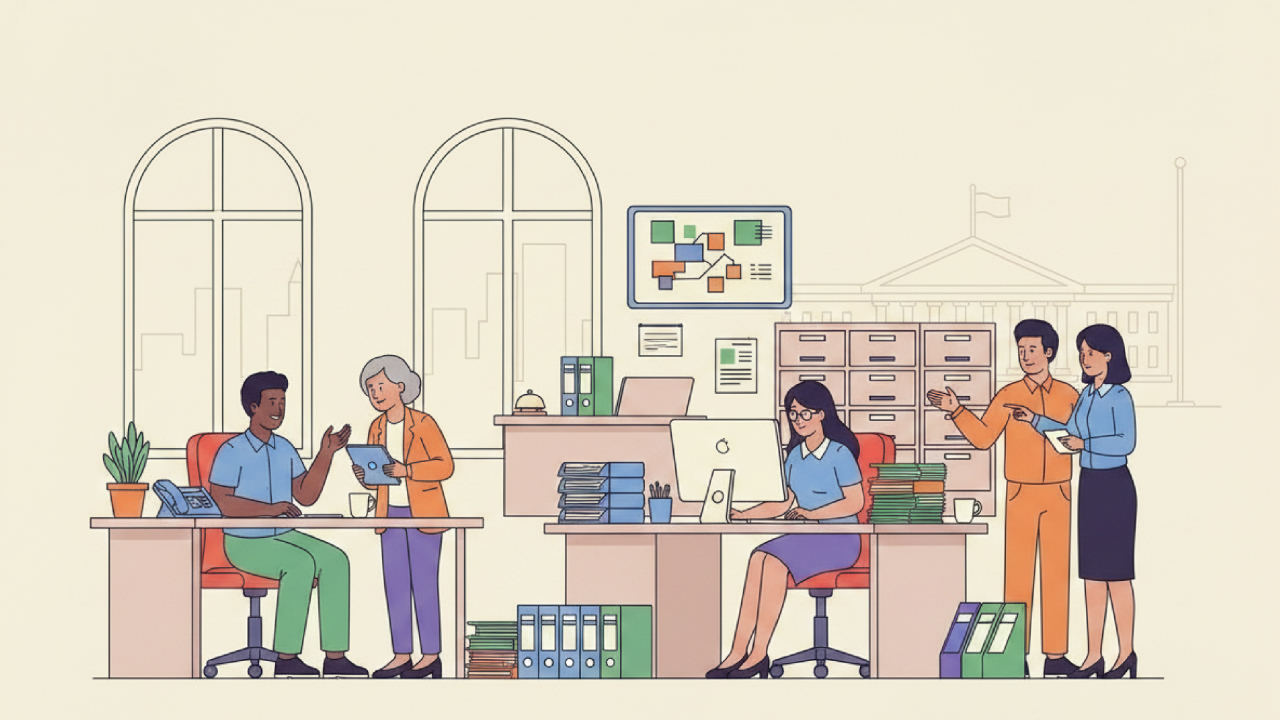
Civil Service
Make a difference in civil service, where dedication to community and fairness is at the heart of every role. Accessible pathways help you support local government and drive positive change.
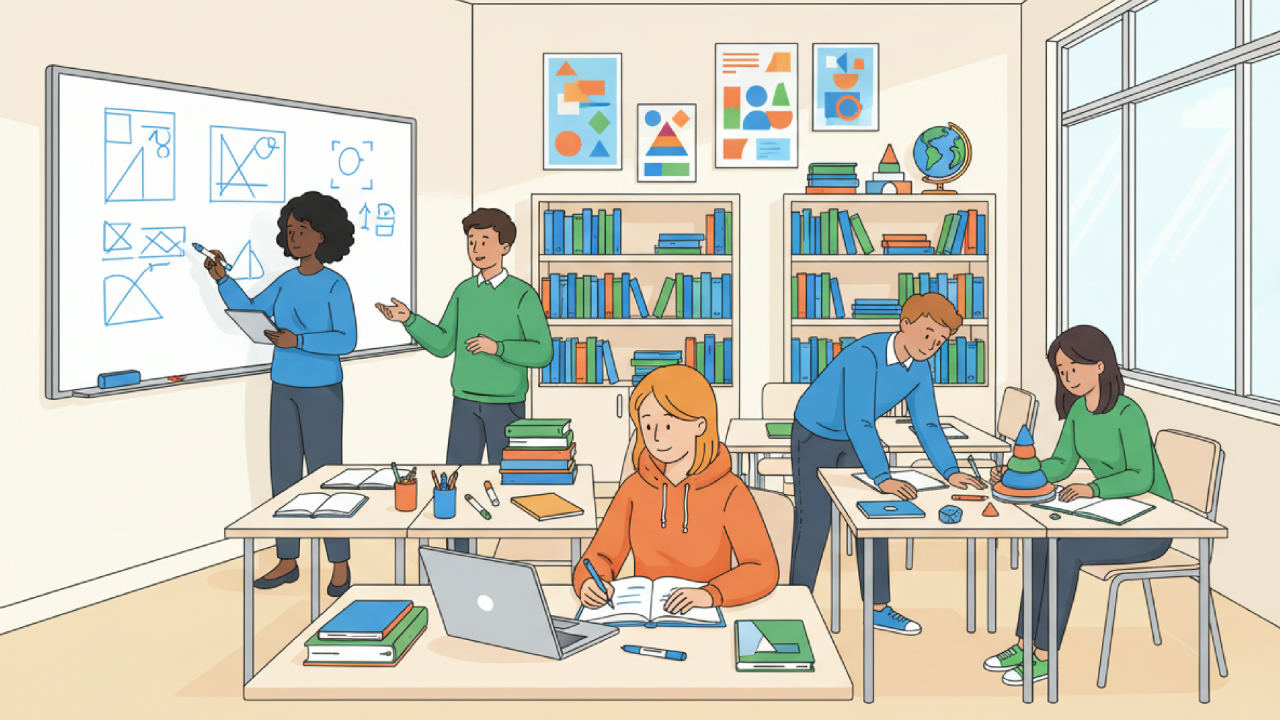
Education
Shape the future in education, supporting learners of all ages. Whether you’re organized, empathetic, or a great communicator, there’s a place for your strengths in schools, training, and community learning.
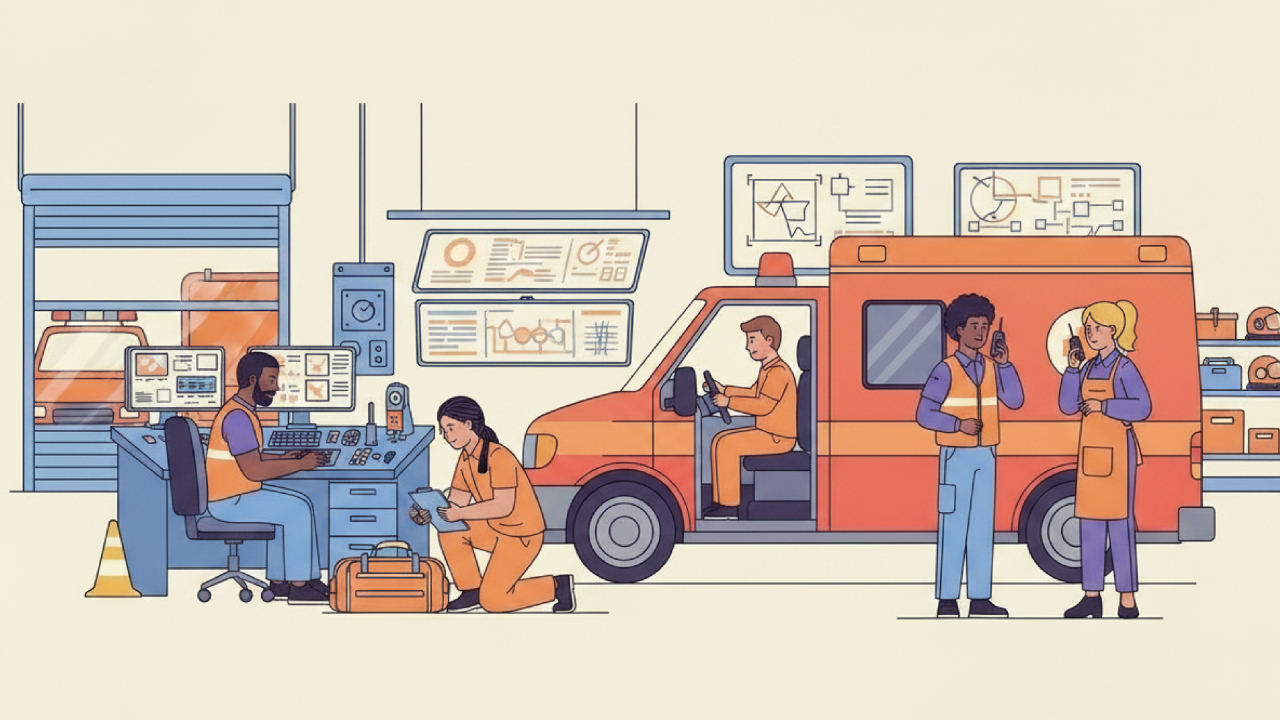
Emergency Services
Serve your community in emergency services, where resilience, teamwork, and empathy are essential. Accessible entry points offer opportunities to help others and build valuable life skills.
Healthcare
Make a difference in healthcare, where compassion and teamwork matter most. Accessible roles range from support work to administration, all contributing to healthier local communities.
Insurance
Protect people, businesses, and futures in an industry that values sharp minds and clear thinking. Insurance offers accessible career paths with strong progression, from apprenticeships to specialist roles in risk, data, and client advice.
Recruitment & HR
Connect people with their perfect roles and help organisations thrive. Recruitment and HR offers fast-paced, people-centred careers with clear progression from entry-level to leadership.
Social Care
Support others in social care, where empathy and resilience are essential. Accessible roles help improve lives and strengthen community networks.
Social sciences—psychology, sociology, and politics—explore how people think, how society works, and how power shapes the world. It can lead to mental health work, research, policy, policing, social work, or journalism. It builds analytical skills, empathy, critical thinking, and understanding of complex human and social systems.
This page shows what social sciences looks like in real life, what strengths it can build, and a few low pressure ways to try it, even if you've never thought of yourself as a "social scientist".
- Noticing why people behave the way they do, or being curious about social issues.
- Reading about politics, current events, social movements, or social injustice.
- Being interested in mental health, mental wellbeing, or counselling approaches.
- Playing detective with human behaviour—analysing group dynamics, relationships, or trends.
- Studying GCSE or A Level Psychology, Sociology, or Politics.
- Discussing ethics, fairness, power, inequality, or how society should work.
- Volunteering, mentoring, or helping others work through problems or change.
Social sciences is a brilliant signal for people who are curious about systems, notice patterns in human behaviour, and want to understand or change the world. It's not just academic; it's practical—research informing policy, therapy improving lives, activism shifting culture.
Budi treats social sciences as a clue for analytical thinking, empathy, ethical reasoning, and systems thinking. You're building skills in research, critical analysis, understanding human motivation, and advocating for positive change.
- Observe and question, noticing patterns, asking why things happen, challenging assumptions.
- Research rigorously, designing studies, collecting data, analysing evidence.
- Think critically, evaluating arguments, spotting bias, weighing different perspectives.
- Analyse systems, understanding how society, groups, or individuals work together.
- Communicate findings, writing reports, presenting research, explaining complexity clearly.
- Advocate thoughtfully, using evidence to argue for policy, practice, or social change.
- Analytical and critical thinking, breaking down complex problems, evaluating evidence.
- Empathy and perspective-taking, understanding different viewpoints and experiences.
- Research and evidence skills, gathering data, interpreting findings, spotting patterns.
- Systems thinking, understanding how societies, organisations, and groups interconnect.
- Communication and persuasion, explaining complex ideas clearly and ethically.
- Ethical reasoning, considering fairness, rights, and responsible decision-making.
- Mental health and wellbeing
- Counselling, therapy, psychiatric nursing, mental health support, youth work.
- Example roles: counselling assistant, mental health support worker, youth worker, case worker.
- Social work and social care
- Child protection, elderly care, disability support, family support, safeguarding.
- Example roles: social work assistant, family support worker, care coordinator, safeguarding officer.
- Research and academia
- Universities, think tanks, research institutes, gathering and analysing social data.
- Example roles: research assistant, research analyst, research coordinator.
- Policy and government
- Developing policy, analysing social trends, informing government decisions.
- Example roles: policy analyst, policy assistant, civil servant, research officer.
- Law and justice
- Criminal justice, policing, probation, understanding offending and rehabilitation.
- Example roles: police officer, probation officer, criminal justice worker, trainee investigator.
Easy start, 10 to 15 mins. Pick a social issue you care about (mental health, poverty, inequality, climate anxiety). Research one credible source (BBC, academic article, reputable charity). What's the current understanding? What's surprising?
Medium, 30 to 45 mins. Conduct a mini interview or survey. Ask 5 people about a social topic (stress, belonging, fairness at school/work). Listen carefully, note patterns, ask follow-up questions. What did you learn? What surprised you?
Stretch, 1 to 2 hours. Design a small research project. Pick a question about human behaviour (What makes people help strangers? How do friend groups form?). Decide how you'd study it, what data you'd collect, and what that would tell you.
Social sciences can act as a helpful signal for strengths like analytical thinking, empathy, critical thinking, systems understanding, and ethical reasoning. Budi combines this with other signals to suggest industries, role types, and next steps. It's not here to box anyone in; it's here to open up options they might not have seen yet.
Social sciences value diverse perspectives and lived experience. If you have personal experience with mental health, poverty, discrimination, or social challenges, that's valuable insight and understanding, not a barrier. If research interviews or fieldwork are physically challenging, there are desk-based, data analysis, or literature review roles. If you process information differently, analytical, creative, or visual approaches to understanding society all have a place. Always discuss your access needs with employers or training providers.
Different approaches work in social sciences—some people are statistical analysts, others are skilled interviewer-listeners or policy advocates. All are valued.
- Health & Social Care, practical support, understanding wellbeing and change.
- History, understanding how societies have developed and changed over time.
- English (Language & Literature), reading, analysing text, understanding human experience.
- Philosophy & Ethics, exploring moral questions, rights, and responsibility.
- Business & Enterprise, organisational behaviour, understanding people and systems.