Content Hub / Explore
Volunteering & Community Work
Covers community engagement, fundraising, social action, and understanding the voluntary sector. Builds empathy, leadership, and organisational skills — and looks brilliant on CVs and university applications.
Where this leads
Childcare & Early Years
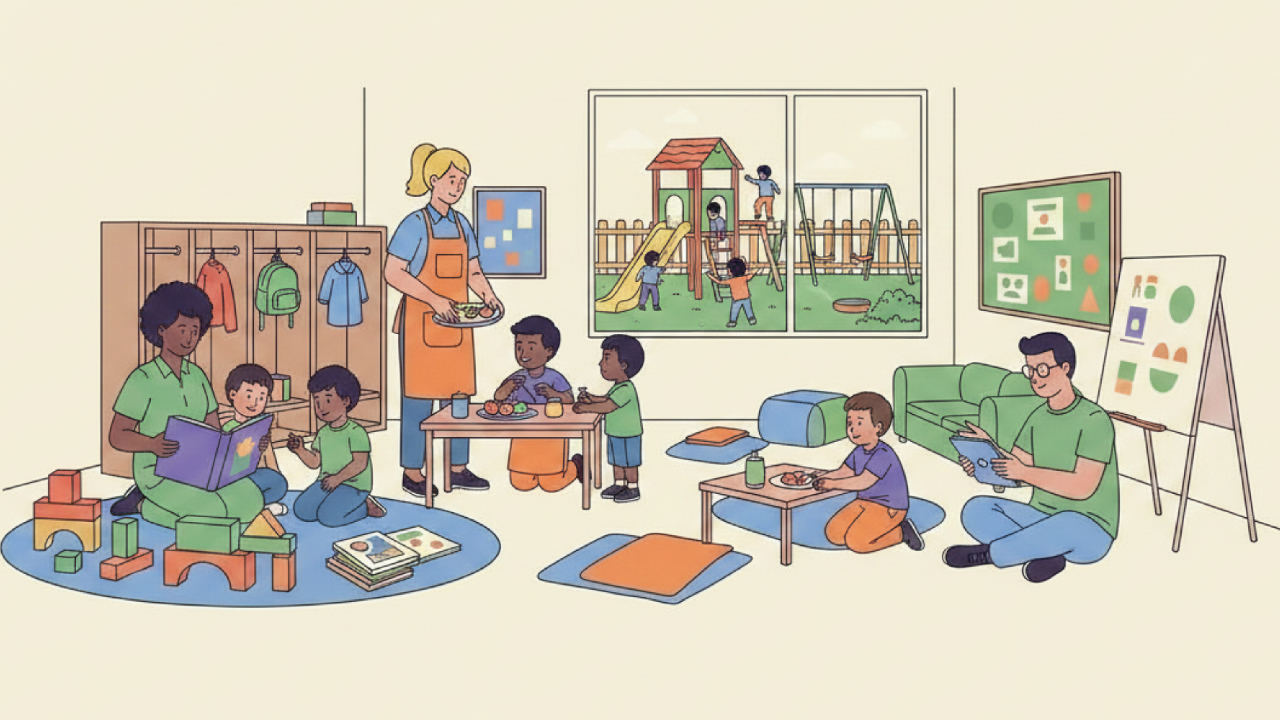
Make a real difference in children's earliest years, where patience, creativity, and care shape futures. Accessible roles with clear progression from assistant to manager, all rooted in nurturing young minds.

Education
Shape the future in education, supporting learners of all ages. Whether you’re organized, empathetic, or a great communicator, there’s a place for your strengths in schools, training, and community learning.
Local Government
Contribute to local government, where every role supports community growth and wellbeing. Accessible pathways welcome all strengths, with a focus on real local impact.
Non-Profit Organisations
Make a difference in non-profit organisations, where passion and purpose lead the way. Accessible roles focus on community support, advocacy, and real local impact.
Recruitment & HR
Connect people with their perfect roles and help organisations thrive. Recruitment and HR offers fast-paced, people-centred careers with clear progression from entry-level to leadership.
Social Care
Support others in social care, where empathy and resilience are essential. Accessible roles help improve lives and strengthen community networks.
Volunteering and community work is about taking action to help others, building stronger communities, and contributing to positive change. It can be mentoring, fundraising, community projects, youth work, or social enterprise. It builds leadership, teamwork, empathy, and the confidence that your actions matter.
This page shows what volunteering and community work looks like in real life, what strengths it can build, and a few low pressure ways to try it, even if you've never thought of yourself as a "community person".
- Noticing problems in your community and wanting to help fix them.
- Mentoring, tutoring, or helping friends or younger people.
- Being part of fundraising efforts, school events, or community projects.
- Participating in the NCS (National Citizen Service) or Duke of Edinburgh.
- Volunteering at charities, food banks, animal shelters, or community centres.
- Organising things for others—events, collections, activities, or support.
- Being drawn to social causes, activism, or making a difference locally.
Volunteering and community work is a brilliant signal for people who care about others, want to see tangible impact, and are willing to get things done. It's not just altruistic; it teaches leadership, project management, and how social change actually works.
Budi treats volunteering and community work as a clue for empathy, initiative, organisational skill, and civic responsibility. You're building experience in running projects, managing teams, understanding community needs, and seeing how your work helps real people.
- Identify needs, listening to communities, understanding what support matters most.
- Plan and organise, developing projects, managing budgets, coordinating volunteers.
- Lead and motivate, inspiring others, managing teams, keeping people engaged.
- Deliver services or support, whether practical help, mentoring, advocacy, or fundraising.
- Build relationships, connecting people, organisations, and resources.
- Evaluate and improve, measuring impact, gathering feedback, adapting approaches.
- Leadership and initiative, taking charge, motivating others, seeing things through.
- Empathy and understanding, listening to people with different experiences.
- Project and people management, coordinating activities, keeping teams organised.
- Problem-solving and resourcefulness, making things work with available resources.
- Communication and networking, connecting people and ideas.
- Resilience and commitment, sticking with something even when it's challenging.
- Youth and mentoring work
- Youth clubs, mentoring schemes, coaching, peer support, youth leadership.
- Example roles: youth worker, mentor, coach, youth ambassador, peer leader.
- Social work and support services
- Community support, family support, outreach, safeguarding, advocacy.
- Example roles: support worker, community worker, outreach officer, advocate.
- Fundraising and community organising
- Fundraising campaigns, community organising, event management, social action.
- Example roles: fundraiser, community organiser, event coordinator, campaigns officer.
- Education and development
- Adult education, literacy and numeracy support, youth leadership, training.
- Example roles: education assistant, training facilitator, programme coordinator.
- Health and wellbeing
- Health promotion, mental health support, disability support, community health.
- Example roles: health and wellbeing coordinator, peer supporter, community health worker.
Easy start, 10 to 15 mins. Look at local charities, community groups, or causes you care about. Choose one and find out what volunteers do. What appeals to you? What would you need to learn?
Medium, 30 to 45 mins. Identify a small need in your community (helping an elderly neighbour, cleaning up a park, organising a collection). Plan how you'd address it: What needs doing? Who could help? What resources do you need? How would you measure success?
Stretch, 3 to 4 hours. Commit to one volunteer shift or community action. Afterwards, reflect: What did you learn about the issue? What surprised you? What would you do differently next time? Would you do it again?
Volunteering and community work can act as a helpful signal for strengths like leadership, empathy, project management, problem-solving, communication, and resilience. Budi combines this with other signals to suggest industries, role types, and next steps. It's not here to box anyone in; it's here to open up options they might not have seen yet.
Volunteering is accessible in many forms. If full-time roles aren't possible, short-term projects, remote work, or flexible hours are often available. If mobility or physical access is an issue, ask about desk-based, administrative, or coordination roles. If you have lived experience of poverty, homelessness, mental health challenges, or disability, that's valuable insight and perspective—you understand the issues on a deep level. Many organisations value and actively recruit people with lived experience. Always discuss your access needs with organisations; modern volunteering is increasingly flexible and inclusive.
Different approaches work in community work—some people are hands-on supporters, others are organisers, fundraisers, or advocates. All are valued.
- Health & Social Care, helping people, understanding wellbeing and support.
- Social Sciences (Psychology/Sociology), understanding communities and social change.
- Business & Enterprise, managing projects, resources, and teams.
- Religious Studies & Ethics, exploring values, fairness, and how to live well.
- Leadership & Personal Development, building confidence, communication, teamwork.