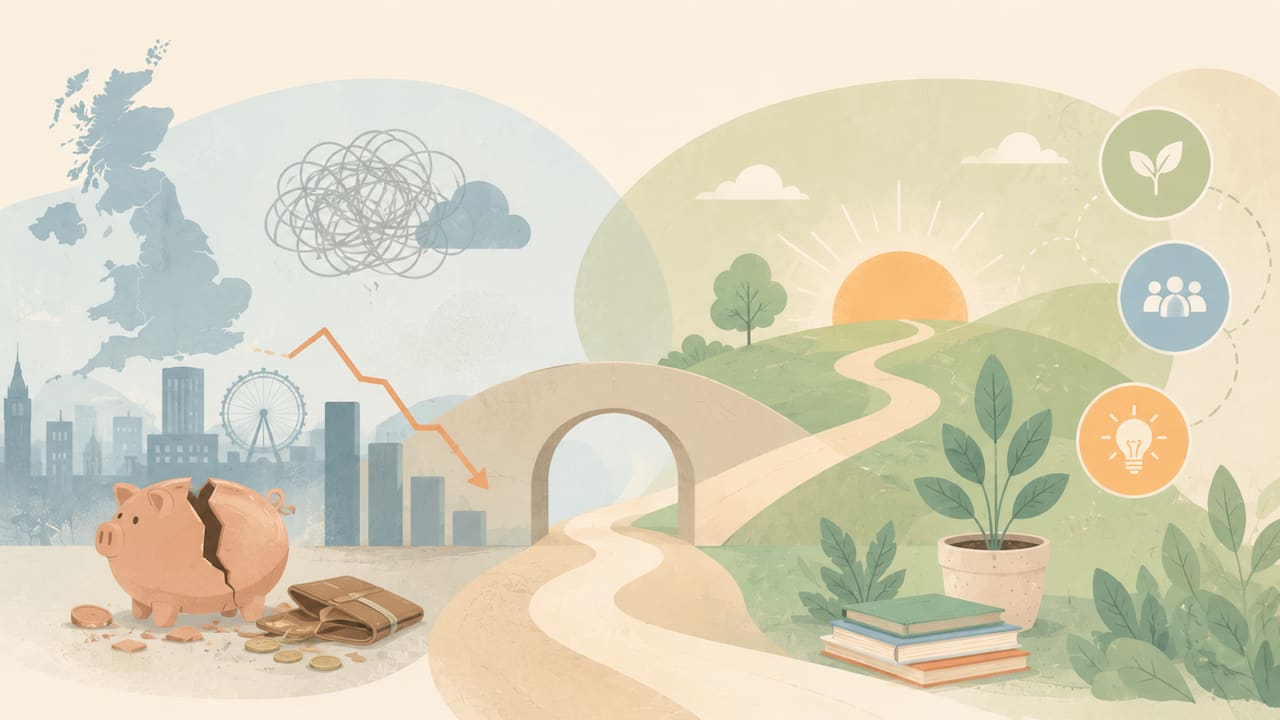
Youth unemployment in the UK, the real cost, and what we do next
Youth unemployment is not just a number, it affects confidence, health, local businesses, and long-term opportunity. This page breaks down the real human and economic costs, why some places feel it harder, and what local action can look like. It also explains what “good work” looks like for first-timers.
Written by: Frankie Brookton, Founder, inyourroots®
Youth unemployment is not just a statistic. It shows up as lost confidence, lost time, and lost connection.
Youth unemployment is often treated like a headline problem.
In real life, it affects young people, families, local employers, and the long-term health of a community.
The human cost comes first
When a young person cannot get a first chance, it can start to shape how they see themselves.
Common patterns include:
- confidence dropping after repeated rejection
- anxiety around interviews and phone calls
- routine slipping (sleep, motivation, leaving the house)
- feeling “behind” friends, and withdrawing
This is not about laziness. It is often about the system feeling like a locked door.
The economic cost (in plain terms)
When young people are out of work for longer, the costs do not sit in one place.
They show up across:
- household income and financial stress
- local business growth (fewer skilled starters coming through)
- public services (health, support, and crisis response)
- long-term earnings and tax contributions
The longer the gap lasts, the more expensive it becomes to fix.
Why this hits some places harder than others
National numbers set the context. Local reality decides outcomes.
Some areas feel the impact more because of:
- fewer entry-level roles nearby
- transport barriers and travel time
- seasonal work patterns
- fewer trusted networks and “someone who knows someone” routes
- a mismatch between local jobs and local training
That is why place matters. Essex, Hertfordshire, and Suffolk will each have different pressure points, even when the national story looks the same.
What local leaders and partners can do now
You do not need a perfect strategy to start. A few actions that often move the needle:
- Create more first steps: tasters, short trials, work experience alternatives
- Support SMEs to hire fairly: simple processes, clear safeguarding, realistic role design
- Back youth-safe spaces: projects, volunteering, community roles that rebuild routine
- Make support easier to find: one clear local pathway, not ten confusing ones
What “good work” looks like for first-timers
A “good” first role is not about prestige. It is about:
- clear expectations
- fair feedback
- a manager who teaches, not tests
- a safe environment
- a route to grow
If we want better outcomes, we have to design for first-timers, not just filter for polish.
Sources (key reads)
- ONS: NEET bulletin (May 2026)
- DWP interim report: Young people and work
- UK Parliament Commons Library briefing