Content Hub / Explore
Animal Care & Veterinary
Covers animal welfare, biology, husbandry, and veterinary science. Builds practical caring skills and scientific knowledge — leading to careers as a vet, veterinary nurse, animal behaviourist, or in wildlife conservation and zoos.
Where this leads
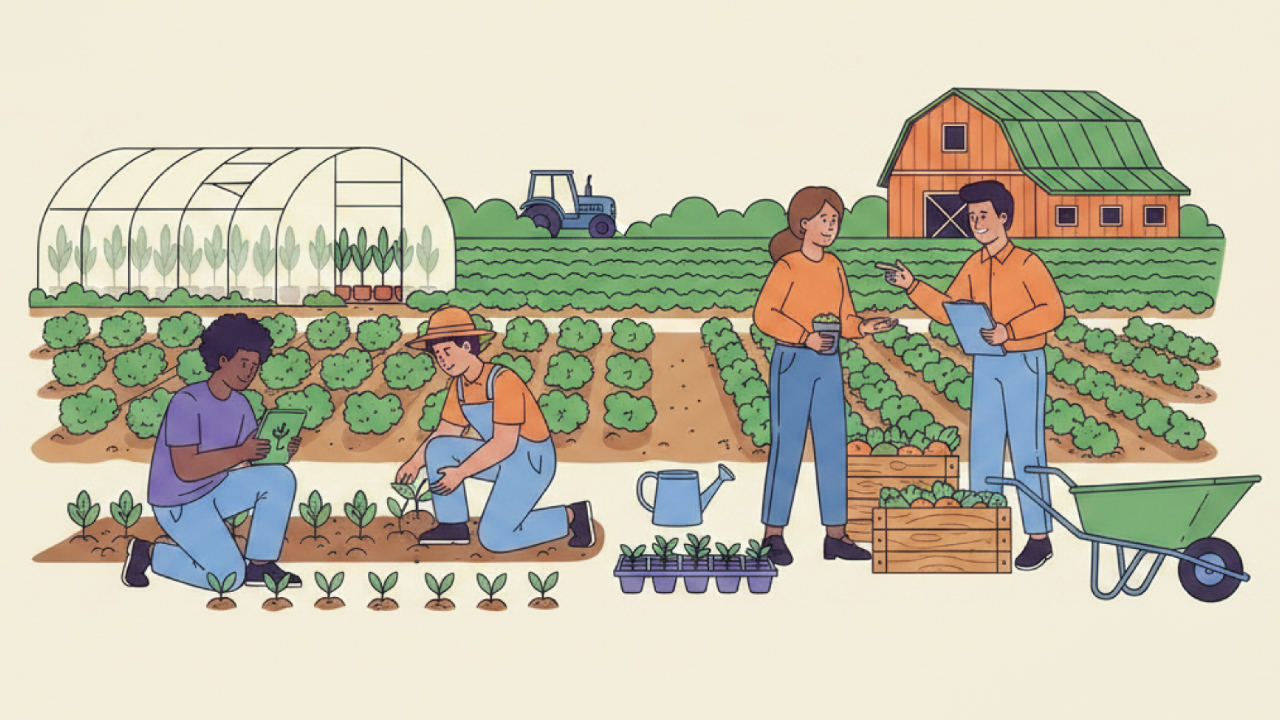
Agriculture
Explore opportunities in agriculture, from hands-on farming to agri-tech. This industry welcomes all backgrounds, focusing on sustainable growth and supporting local food systems across Hertfordshire, Essex, and Suffolk.
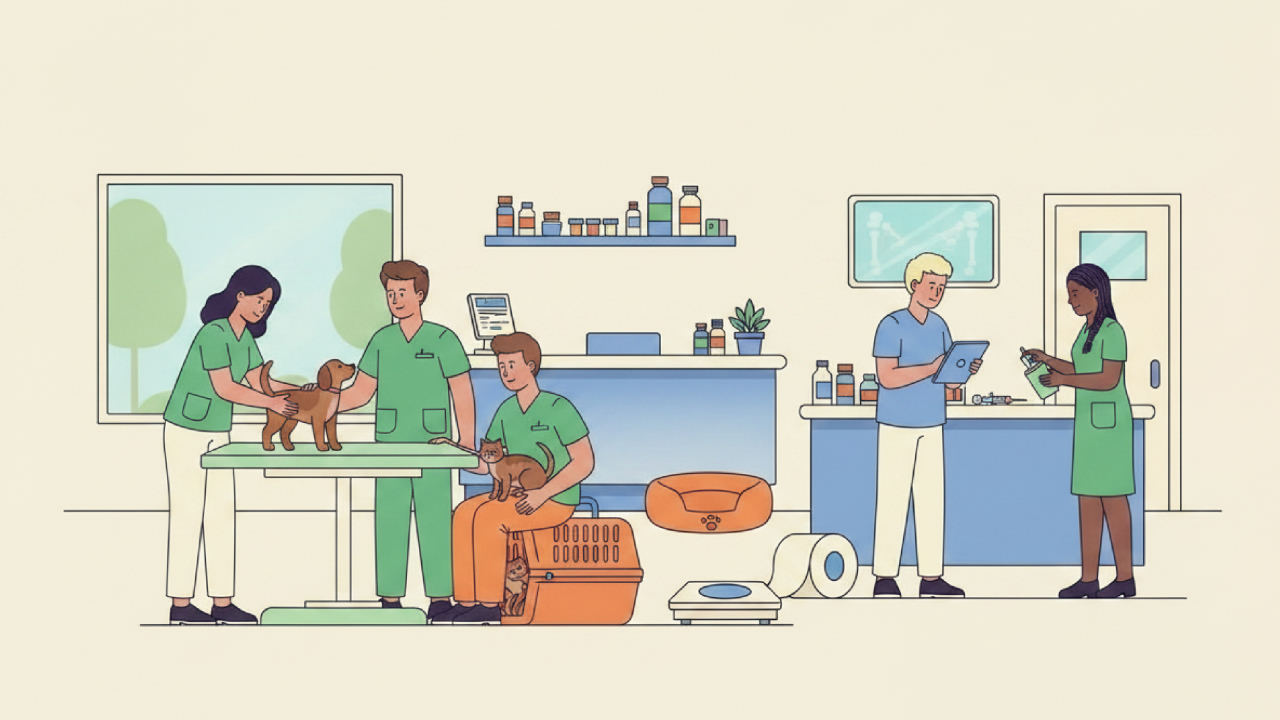
Animal & Veterinary Services
Match with animal and veterinary roles that prioritize compassion, attention to detail, and community wellbeing. Your natural abilities can help improve animal health and support local pet owners.

Education
Shape the future in education, supporting learners of all ages. Whether you’re organized, empathetic, or a great communicator, there’s a place for your strengths in schools, training, and community learning.
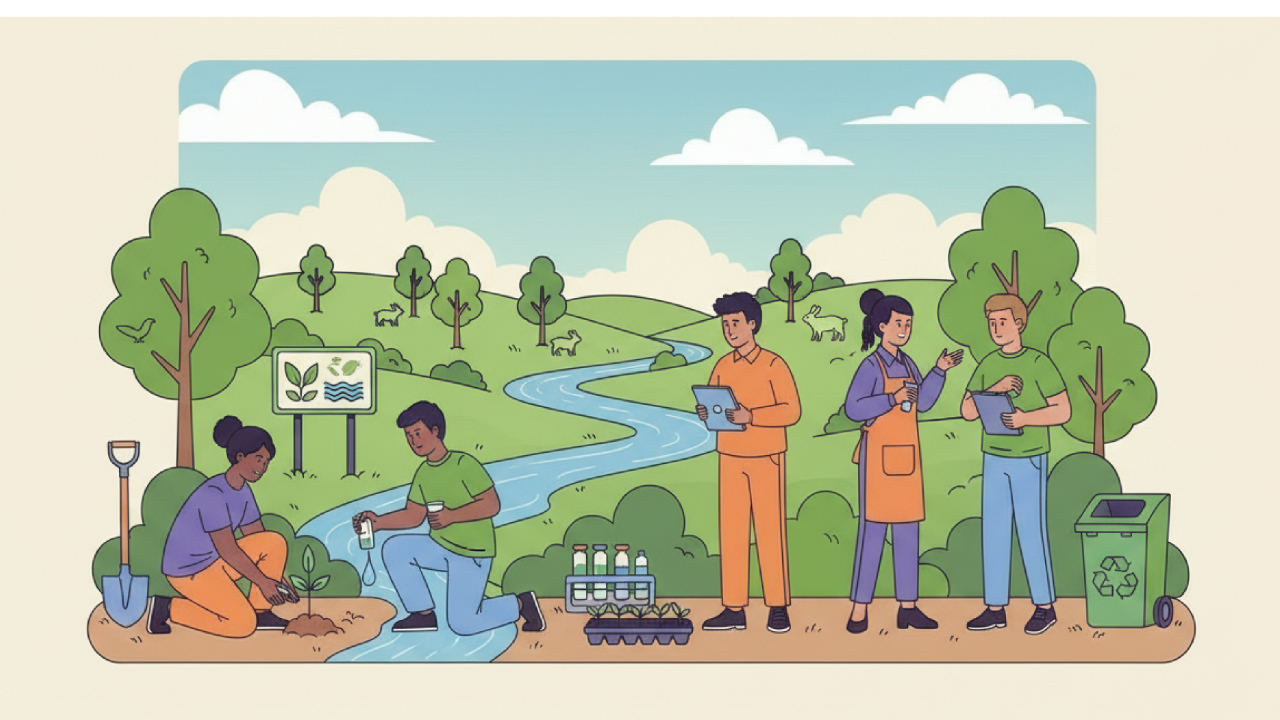
Environmental Services
Make a local impact in environmental services. Roles focus on sustainability, conservation, and community health—ideal for those passionate about protecting our planet and supporting local initiatives.
Animal care and veterinary science is about understanding animals, keeping them healthy, and ensuring their welfare. It can be working as a vet, veterinary nurse, animal behaviourist, zookeeper, or in wildlife conservation. It builds compassion, scientific knowledge, hands-on skill, and responsibility for living beings.
This page shows what animal care and veterinary science looks like in real life, what strengths it can build, and a few low pressure ways to try it, even if you've never thought of yourself as an "animal person".
- Having pets and being the main carer—feeding, playing, grooming, noticing health changes.
- Being drawn to zoos, aquariums, wildlife documentaries, or animal sanctuaries.
- Studying animal behaviour, learning about different species, or following wildlife biology.
- Volunteering at animal shelters, rescue centres, or nature reserves.
- Work experience in veterinary practices, kennels, stables, or farms.
- Studying GCSE or A Level Biology with focus on animals, or BTEC Animal Management.
- Noticing when animals are unwell or in distress and wanting to help.
Animal care and veterinary science is a brilliant signal for people who are observant, compassionate, and detail-oriented. It's not just about loving animals; it's about understanding biology, recognising subtle signs of illness or distress, and making decisions that matter to another living being.
Budi treats animal care and veterinary science as a clue for compassion, scientific thinking, practical skill, and responsibility. You're building knowledge of anatomy and disease, observational acuity, and the ability to communicate with both animals and their owners.
- Observe animals carefully, noticing behaviour, appetite, movement, and signs of illness.
- Understand biology and disease, learning anatomy, common conditions, and treatments.
- Provide hands-on care, handling animals safely, administering medication, performing procedures.
- Communicate with owners, explaining care, gathering history, giving advice clearly.
- Maintain health and safety, following hygiene protocols, managing stress in animals.
- Develop skills in your specialism, whether surgery, behaviour, exotic animals, or wildlife.
- Compassion and empathy for animals, recognising their needs and wellbeing.
- Scientific thinking, understanding biology, anatomy, disease, and treatment options.
- Practical confidence, handling animals, using equipment, performing procedures.
- Observation and attention to detail, noticing subtle health or behaviour changes.
- Responsibility and reliability, caring for dependent living creatures consistently.
- Problem-solving and calmness, responding to emergencies, managing distressed animals.
- Veterinary practice
- Small animal practice (pets), large animal practice (farm, equine), mixed practices.
- Example roles: veterinary assistant, veterinary nurse, trainee veterinary technician.
- Wildlife and conservation
- Zoos, sanctuaries, wildlife centres, research stations, fieldwork.
- Example roles: zookeeper, animal care technician, conservation worker, field assistant.
- Farming and equine
- Farm animals, horses, breeding, herd management, welfare assessment.
- Example roles: farm hand, stable assistant, farm manager, animal technician.
- Research and development
- Testing (pharmaceutical, cosmetic, food), animal research, ethics oversight.
- Example roles: research technician, animal care assistant, facility manager.
- Education and rehabilitation
- Animal therapy, rehabilitation centres, education programmes, animal-assisted interventions.
- Example roles: animal care assistant, therapy facilitator, education assistant.
Easy start, 10 to 15 mins. Pick an animal you're curious about. Research its biology, diet, behaviour, and common health issues. Watch a video of it in its natural environment. Write down 5 things you didn't know before.
Medium, 30 to 45 mins. If you have a pet, conduct a health check observation. Notice: gait, coat condition, eyes, ears, mouth, appetite, behaviour. Compare to what's normal for them. What would signal a vet visit?
Stretch, 1 to 2 hours. Volunteer at an animal shelter, sanctuary, or vet practice if possible. Help with feeding, cleaning, exercising, or handling animals. Notice what you enjoy and find challenging. Talk to staff about their pathways.
Animal care and veterinary science can act as a helpful signal for strengths like compassion, scientific thinking, practical confidence, observation, responsibility, and calmness. Budi combines this with other signals to suggest industries, role types, and next steps. It's not here to box anyone in; it's here to open up options they might not have seen yet.
Animal care is accessible in many forms. If handling large animals is physically challenging, small animal care, exotic animal work, or laboratory animal care might suit you better. If you have allergies or asthma, discuss reasonable adjustments—some roles focus on management, handling, or administration rather than direct contact. If you're neurodivergent, many animal professionals appreciate routine, detail-focus, and clear protocols. Modern workplaces are increasingly accessible; always discuss your needs with employers or training providers.
Different approaches work with animals—some people are hands-on carers, others are researchers, managers, or educators. All matter in animal welfare.
- Biology, understanding anatomy, genetics, disease, ecosystems.
- Environmental Science, conservation, habitat protection, sustainability.
- Health & Social Care, caring professions, understanding wellbeing.
- Agriculture & Land-based Studies, working with animals, farm management.
- Psychology & Animal Behaviour, understanding why animals behave as they do.