Content Hub / Explore
Bird Watching & Wildlife
Love spotting birds, tracking wildlife, or just being out in nature? This hobby develops observation, patience, and scientific thinking. It connects to ecology, conservation, environmental science, and outdoor education.
Where this leads
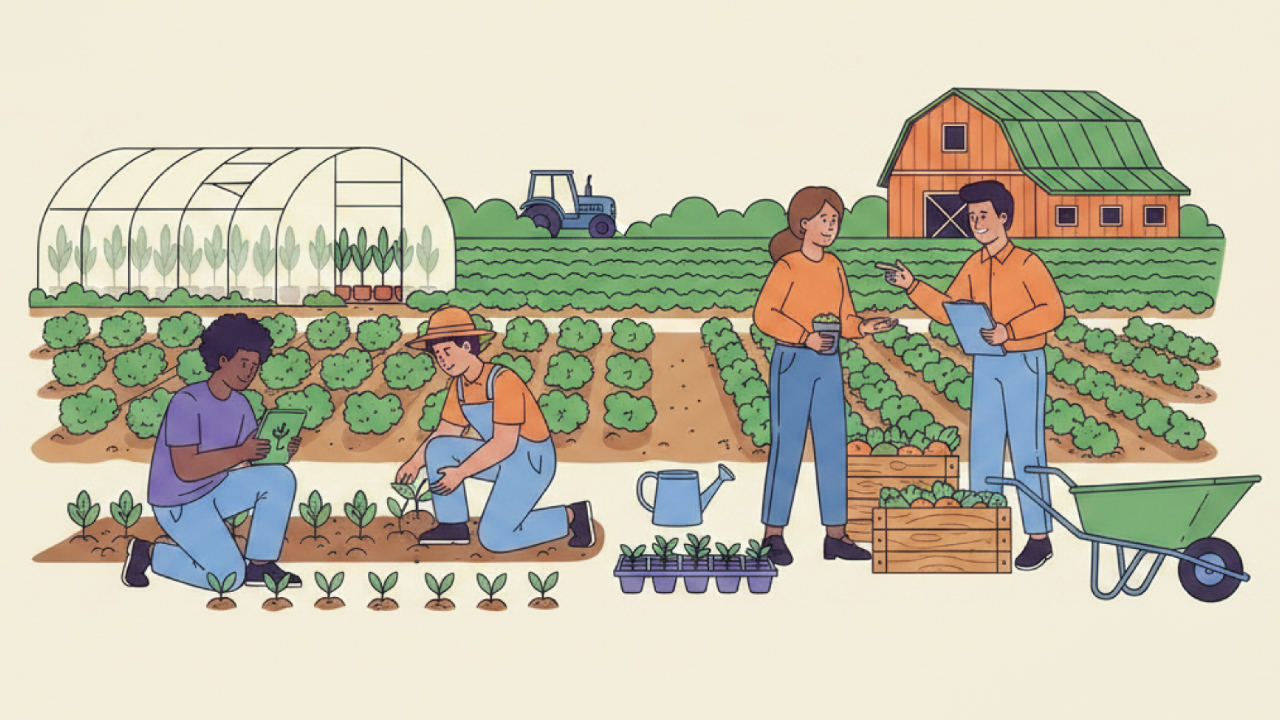
Agriculture
Explore opportunities in agriculture, from hands-on farming to agri-tech. This industry welcomes all backgrounds, focusing on sustainable growth and supporting local food systems across Hertfordshire, Essex, and Suffolk.
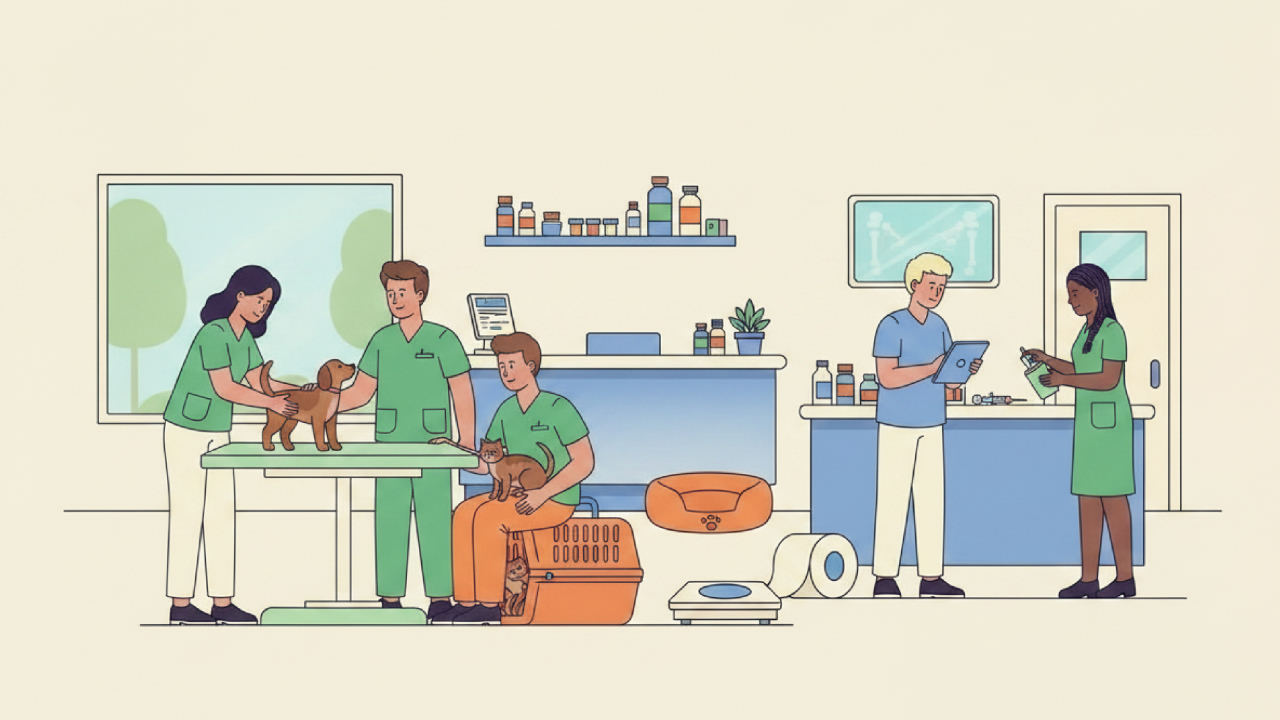
Animal & Veterinary Services
Match with animal and veterinary roles that prioritize compassion, attention to detail, and community wellbeing. Your natural abilities can help improve animal health and support local pet owners.

Education
Shape the future in education, supporting learners of all ages. Whether you’re organized, empathetic, or a great communicator, there’s a place for your strengths in schools, training, and community learning.
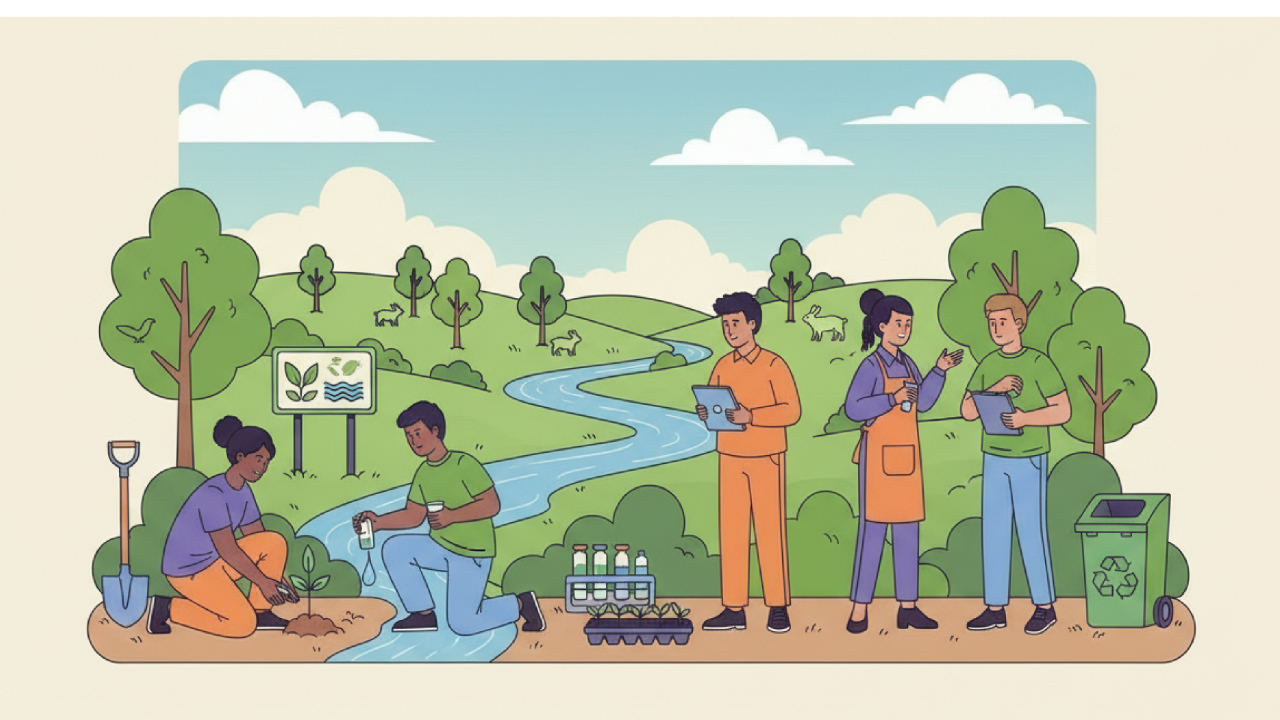
Environmental Services
Make a local impact in environmental services. Roles focus on sustainability, conservation, and community health—ideal for those passionate about protecting our planet and supporting local initiatives.
There's something meditative and connecting about being outdoors, watching for movement, noticing which birds visit your garden or what you see on a country walk. Birdwatching and wildlife spotting develops observation skills, scientific thinking, and a deep connection to the natural world. It's not just a hobby — it's genuine field science.
- Keeping a bird identification guide or wildlife journal
- Visiting nature reserves or joining local birdwatching groups
- Photographing birds and wildlife you encounter
- Learning to identify species by sight and sound
- Following wildlife documentaries or nature channels
- Using bird identification apps to log sightings
- Contributing to citizen science projects (like eBird or nature recording apps)
- Understanding seasonal movements and migration patterns
Birdwatching and wildlife spotting is a strength signal because it demonstrates observation, patience, scientific thinking, and environmental literacy. You're developing skills that field scientists, conservationists, and ecologists rely on daily. You're learning to notice subtle differences, recognise patterns across seasons, and understand that ecosystems are interconnected. You're also learning that careful observation often reveals complexity and beauty that's invisible at first glance. These are the skills of scientists, researchers, and anyone working to protect the natural world.
- Identifying species from visual characteristics (markings, size, behaviour)
- Recognising calls and sounds to identify species aurally
- Understanding bird and wildlife behaviour and what different actions mean
- Keeping detailed field notes and journals
- Learning ecology: understanding habitats, food chains, seasonal patterns
- Using field guides, apps, and online resources to learn and verify identifications
- Contributing to citizen science and conservation efforts
- Photographing wildlife ethically and effectively
- Understanding conservation status and threats to species
- Observation: You notice subtle details most people miss
- Patience: You sit quietly and wait for wildlife to appear
- Environmental stewardship: You understand ecosystems and value conservation
- Scientific thinking: You collect data, notice patterns, form hypotheses
- Knowledge building: You learn continuously and develop expertise
- Attention to detail: You master identification of hundreds of species
- Respect for nature: You develop a deep appreciation for wild things
- Ecology and conservation: Ecologists and conservation officers use observational skills to monitor species and habitats
- Environmental science and research: Environmental scientists conduct field research to understand ecosystems
- Outdoor education and guiding: Field guides and nature educators teach others to see and appreciate wildlife
- Wildlife photography and media: Photographers and filmmakers document wildlife for education and inspiration
- Museum and heritage work: Curators and educators work with species specimens and educate the public
- Environmental policy and management: Policymakers and land managers use field data to make decisions
- Veterinary and animal care: Knowledge of wild animal behaviour informs zoo management and wildlife rehabilitation
- Tourism and hospitality: Safari guides, nature resort staff, and tourism operators need deep wildlife knowledge
Easy start: Download a bird identification app (Merlin Bird ID is free and excellent) and spend 30 minutes in a local park or garden just observing and logging what you see. You don't need expensive binoculars to start — just your eyes and a notebook.
Medium: Join a local birdwatching or wildlife group, or participate in a citizen science project like the Garden BirdWatch. This connects you with experienced observers and contributes to real conservation data. Keep a detailed journal and try to identify new species each month.
Stretch: Develop real expertise in a particular group (warblers, raptors, butterflies, spiders — whatever interests you). Learn to identify them by sight and sound; contribute to conservation projects; consider volunteering with a nature reserve or conservation organisation.
When we see birdwatching and wildlife spotting interests, we're noting observation, scientific thinking, environmental awareness, and the ability to engage in sustained, careful learning. We're looking for evidence of patience, respect for nature, and genuine curiosity about how the world works. These are hallmarks of people who thrive in environmental science, conservation, field research, and any career requiring careful observation and systems thinking.
Birdwatching can be adapted for various accessibility needs. If you use a wheelchair, many nature reserves have accessible trails and hides. If you're blind or have low vision, birdwatching through sound — learning to identify species by call — is equally valid and sometimes preferred by experienced birders. If you're deaf, visual observation is your strength; many rare bird sightings are confirmed by sight, not sound. If you have physical limitations, nature reserves and gardens bring wildlife close; you don't need to hike miles. If you're neurodivergent, the focused attention and detail-oriented nature of identification might be deeply engaging and play to your strengths. Many excellent birdwatchers and ecologists work around accessibility needs — your particular way of engaging with nature is valid and valuable.
- Photography & Videography (capturing wildlife moments)
- Environmental science and conservation (protecting habitats)
- Geography and ecosystems (understanding how nature works at scale)
- Marine & Maritime studies (exploring aquatic life)
- Agriculture and land-based studies (stewardship of land)
- Psychology and behaviour (understanding animal behaviour)
- Travel and exploration (experiencing nature around the world)