Content Hub / Explore
Dance
Whether it’s street dance, ballet, contemporary, or just dancing in your room — dance develops confidence, expression, fitness, and teamwork. It connects to performing arts, choreography, fitness coaching, events, and theatre production.
Where this leads
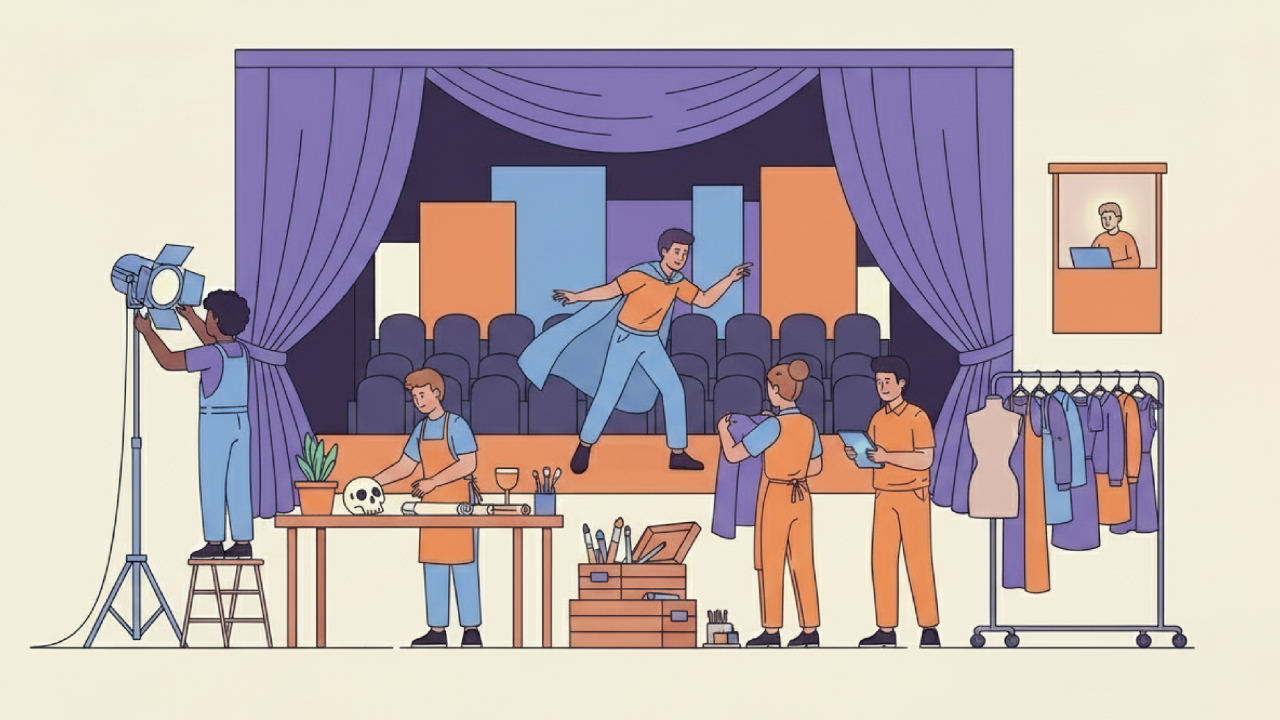
Arts & Culture
Bring ideas to life and shape how people experience the world. Arts and culture careers reward creativity, passion, and the courage to express yourself — with growing opportunities in digital, live events, and community programmes.
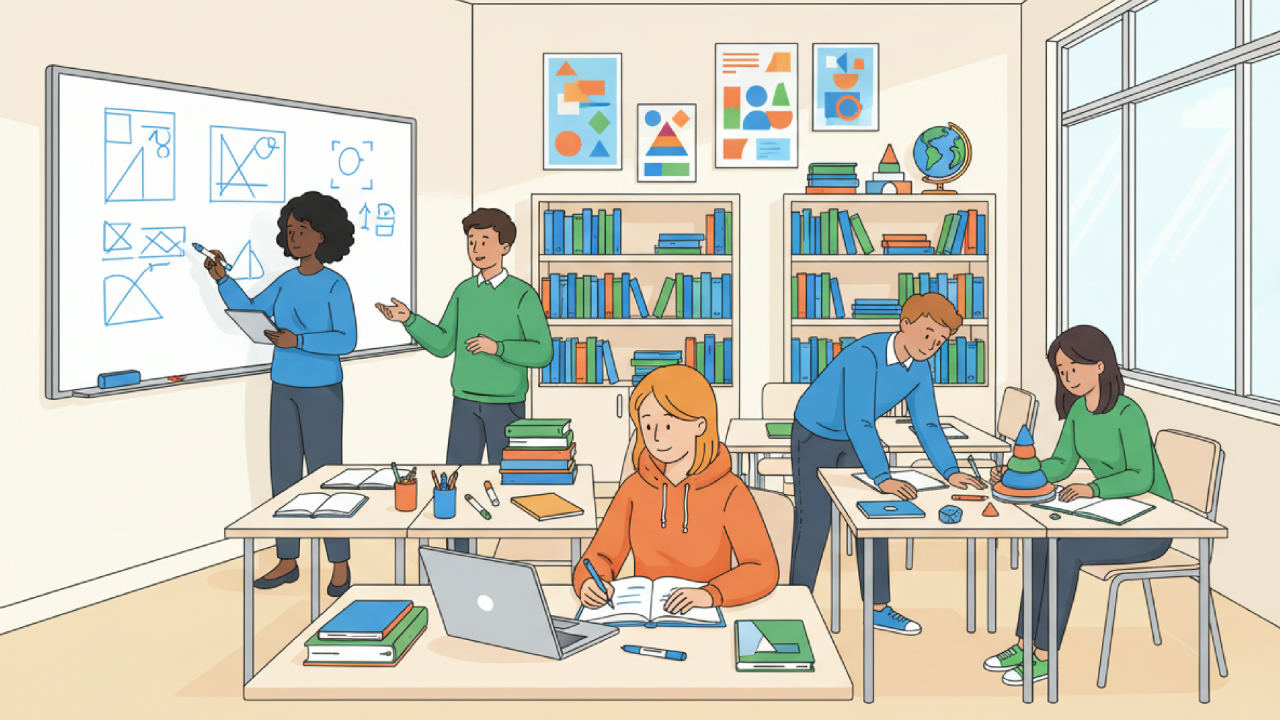
Education
Shape the future in education, supporting learners of all ages. Whether you’re organized, empathetic, or a great communicator, there’s a place for your strengths in schools, training, and community learning.

Entertainment & Media
Step into entertainment and media, where creativity and collaboration are celebrated. From production to digital content, this industry values real-world skills and diverse perspectives.
Sports & Leisure
Get active in sports & leisure, where teamwork, motivation, and leadership are celebrated. Accessible roles range from coaching to management, all supporting local wellbeing.
Whether you're growing vegetables in a garden plot, tending houseplants on your windowsill, or growing herbs on a kitchen shelf, gardening and growing develops patience, observation, responsibility, and a real connection to natural cycles. You're literally watching life grow from seeds.
- Growing plants from seeds or cuttings
- Tending a garden, allotment, or outdoor space
- Growing vegetables, herbs, or flowers
- Learning about soil, compost, and plant nutrition
- Managing pests and diseases without chemicals
- Keeping a garden journal and tracking what grows where
- Growing houseplants and learning about their care
- Experimenting with different growing methods (hydroponics, permaculture)
Gardening and growing interest is a strength signal because it demonstrates patience, responsibility, observation, and systems thinking. Plants teach you that results take time and that you can't rush nature. You're learning biology, ecology, and resource management through direct experience. You're understanding seasonal cycles and how different conditions affect growth. Gardening also teaches you resilience — some plants thrive, others fail, and you learn and adjust. You're also developing genuine food security knowledge: understanding that food comes from somewhere and learning to grow some of it yourself builds confidence and self-sufficiency.
- Understanding plant biology and what plants need to thrive
- Preparing soil and understanding soil health
- Planning what to grow and when
- Planting seeds, transplanting, and nurturing growth
- Watering, feeding, and managing plant health
- Identifying and managing pests and diseases
- Harvesting and preserving what you grow
- Learning from successes and failures
- Patience: You wait for plants to grow in their own time
- Observation: You notice subtle changes in plant health
- Responsibility: A plant's survival depends on your care
- Systems thinking: You understand how soil, water, light, and nutrients interact
- Resilience: You learn from failures and try again
- Resource management: You understand efficiency and minimising waste
- Connection to nature: You develop respect for growing things
- Food literacy: You understand where food comes from
- Horticulture and landscaping: Horticulturists and landscapers design and maintain gardens
- Agriculture and farming: Farmers grow food and manage land
- Environmental conservation: Conservationists restore habitats and grow native plants
- Botany and plant science: Plant scientists study plant biology and genetics
- Permaculture and sustainable design: Practitioners design regenerative food systems
- Therapy and wellbeing: Horticultural therapists use gardening therapeutically
- Education: Teachers use gardening to teach biology, ecology, and life skills
- Nurseries and plant businesses: Nursery workers grow and sell plants
- Seed saving and heritage conservation: Conservationists preserve seed diversity
- Urban farming and food security: Community gardeners grow food in cities
Easy start: Grow something simple indoors or outdoors. Basil, cress, or houseplants are excellent starters. Buy seeds or a seedling and follow care instructions carefully. Notice how it feels to nurture something and watch it grow.
Medium: Start a small vegetable or herb garden. This might be a window box, a couple of pots, or a raised bed. Plan what to grow based on your climate and what you like to eat. Keep a simple journal of what works and what doesn't.
Stretch: Develop real skill in an area of gardening that interests you. This might be growing food, native plant conservation, ornamental gardening, or permaculture. Join a gardening group or community garden. Share your knowledge and learn from experienced gardeners.
When we see gardening and growing interests, we're noting patience, systems thinking, observation, and the ability to nurture living things. We're looking for evidence that you can take responsibility for something that depends on you and that you learn from iteration. These skills signal readiness for careers in agriculture, horticulture, environmental science, education, and any field requiring patience, careful observation, and understanding of how systems work.
Gardening can be adapted for various abilities. If you use a wheelchair, raised beds, accessible garden layout, and adaptive tools exist. If you have limited hand strength, different tool designs and ergonomic equipment are available. If you're blind or have low vision, tactile gardening (feeling plant textures and learning through touch) and accessible garden designs work well. If you're deaf or hard of hearing, gardening is primarily visual and tactile anyway. If you have chronic pain or fatigue, container gardening and sitting-down gardening are perfectly valid. If you're neurodivergent, the repetitive, sensory, pattern-based nature of gardening often feels grounding and deeply satisfying. Many brilliant gardeners and horticulturists work around accessibility challenges. Your way of gardening is welcome.
- Environmental science and conservation (protecting natural systems)
- Biology and plant science (understanding how plants work)
- Food and nutrition (eating what you grow)
- Sustainability and eco-living (growing your own reduces impact)
- Agriculture and land management (food production at scale)
- Outdoor education and nature (teaching others about growing)
- Composting and waste reduction (feeding the soil)