Content Hub / Explore
Drama & Performing Arts
Covers acting, devising, stagecraft, and performance techniques. Builds confidence, communication, empathy, and teamwork — transferable skills that employers value across every sector, not just the arts.
Where this leads
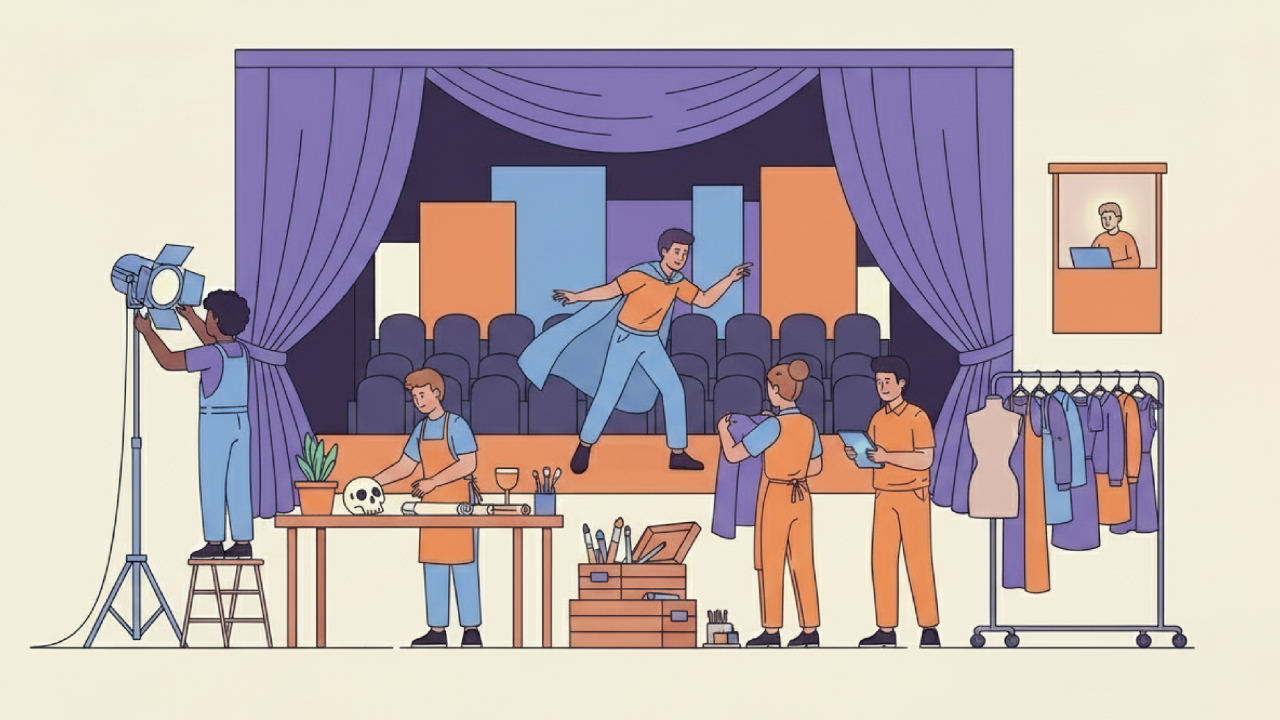
Arts & Culture
Bring ideas to life and shape how people experience the world. Arts and culture careers reward creativity, passion, and the courage to express yourself — with growing opportunities in digital, live events, and community programmes.
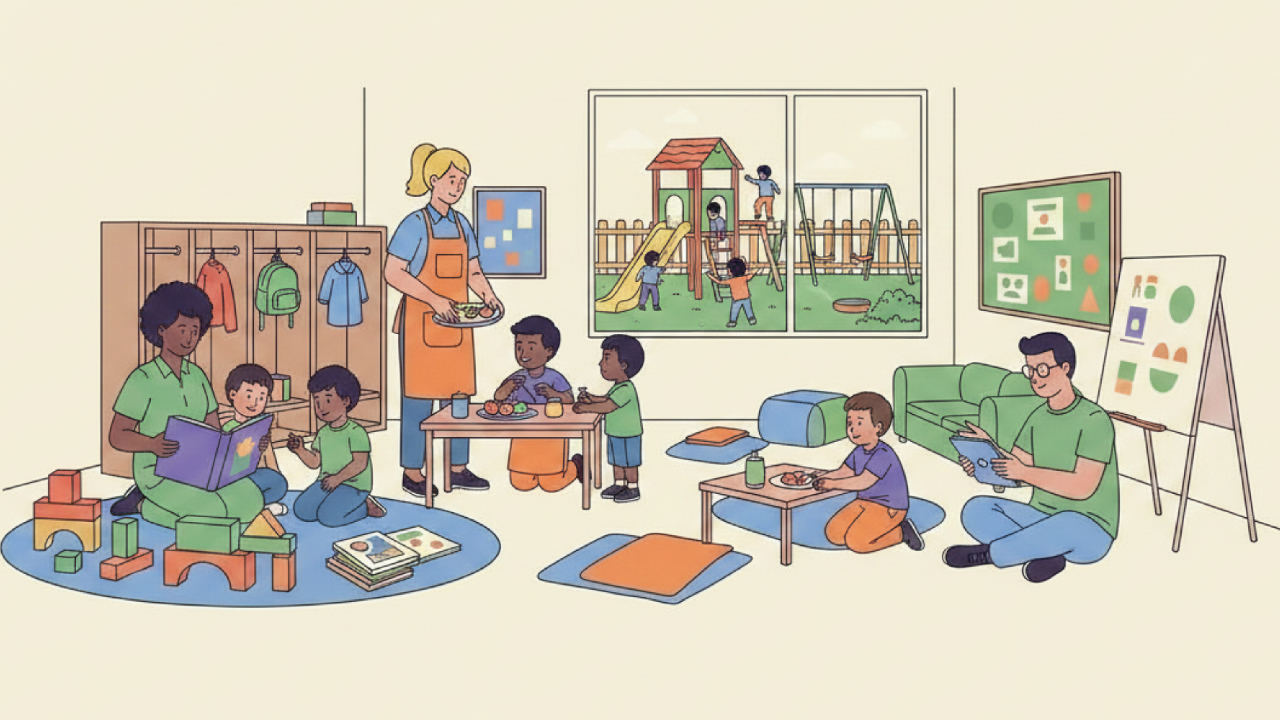
Childcare & Early Years
Make a real difference in children's earliest years, where patience, creativity, and care shape futures. Accessible roles with clear progression from assistant to manager, all rooted in nurturing young minds.
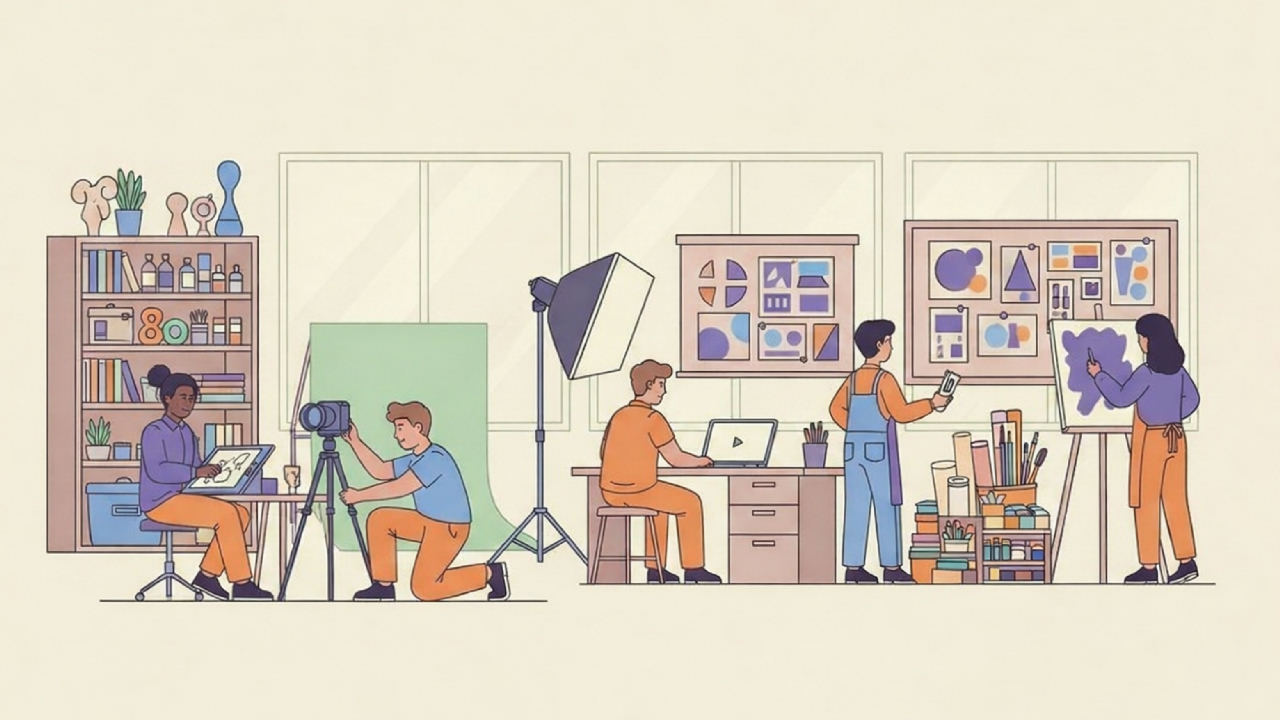
Creative Industries
Express your strengths in the creative industries—arts, design, media, and more. This sector champions fresh ideas, inclusivity, and authentic self-expression, with accessible roles for every talent.

Education
Shape the future in education, supporting learners of all ages. Whether you’re organized, empathetic, or a great communicator, there’s a place for your strengths in schools, training, and community learning.
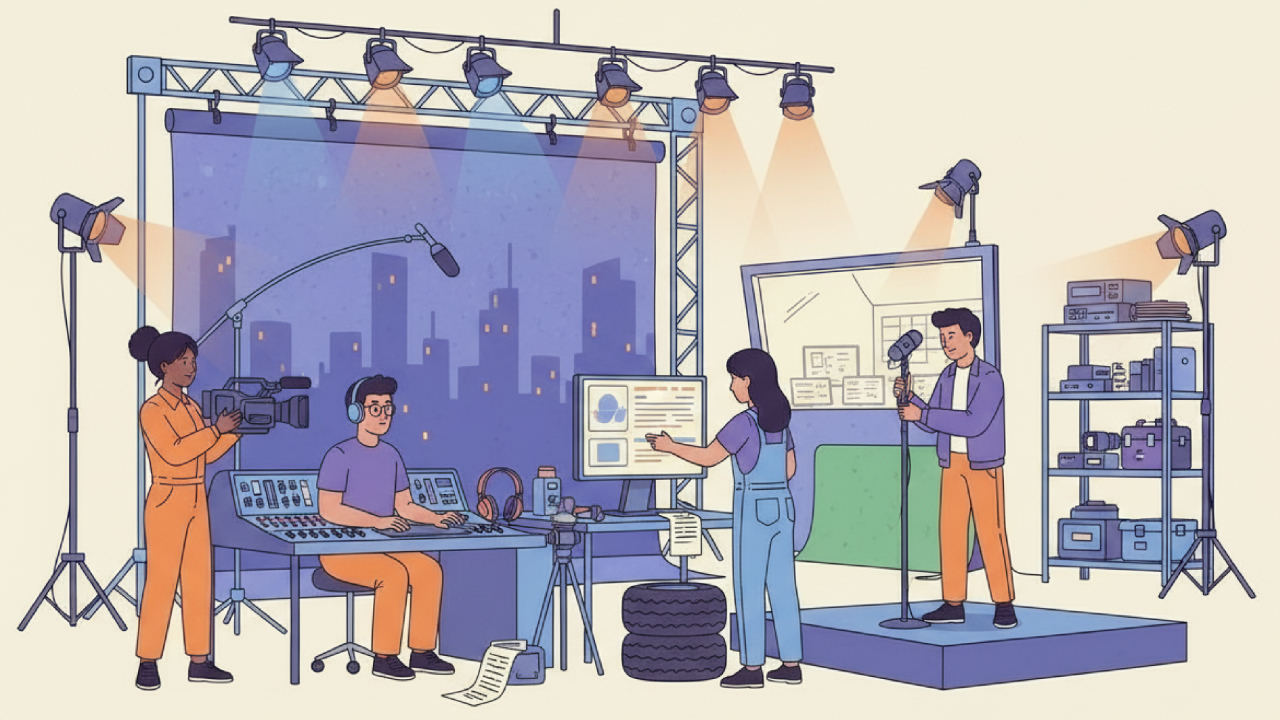
Entertainment & Media
Step into entertainment and media, where creativity and collaboration are celebrated. From production to digital content, this industry values real-world skills and diverse perspectives.
Drama and performing arts is about storytelling, character, stagecraft, and moving audiences. It can be acting, directing, devising, theatre design, or performance. It builds confidence, empathy, communication, teamwork, and resilience—skills employers value in every sector, not just the arts.
This page shows what drama and performing arts looks like in real life, what strengths it can build, and a few low pressure ways to try it, even if you've never thought of yourself as a "performer".
- Enjoying plays, films, musicals, or live performances.
- School drama clubs, school productions, or community theatre.
- Being comfortable speaking in front of people, or wanting to be.
- Improvisation games, charades, or role-play activities.
- Studying GCSE or A Level Drama, BTEC Performing Arts.
- Creating characters or stories, writing scripts, or making short films.
- Being curious about stagecraft—lights, sound, sets, technical theatre.
Drama and performing arts is a brilliant signal for people who are emotionally intelligent, adaptable, and want to create meaning and connection. It's not just about being onstage; it's about understanding human behaviour, telling stories that matter, and collaborating to create something bigger than yourself.
Budi treats drama and performing arts as a clue for empathy, communication, creativity, and teamwork. You're building skills in emotional expression, physical awareness, script interpretation, and the discipline to work with others towards a shared vision.
- Understand character and text, interpreting scripts, finding motivation, building believable characters.
- Develop physicality and voice, using body and voice expressively, projection, movement.
- Collaborate and take direction, working with directors and other actors, accepting feedback.
- Adapt and improvise, responding to other performers, handling unexpected changes, creating in the moment.
- Understand production, knowing how sets, lighting, sound, and costume support the story.
- Manage emotions and presence, staying focused under pressure, connecting with audiences.
- Confidence and presence, performing in front of people, handling nerves, commanding attention.
- Empathy and emotional intelligence, understanding diverse characters and perspectives.
- Communication and expression, articulate, clear, using voice and body expressively.
- Teamwork and collaboration, depending on others, supporting ensemble, giving and receiving feedback.
- Creativity and imagination, interpreting scripts, developing characters, creating meaning.
- Resilience and adaptability, learning new material, handling performance anxiety, bouncing back from mistakes.
- Theatre and performance
- Theatres, rep companies, touring shows, fringe theatre, amateur productions.
- Example roles: actor, assistant stage manager, technical crew, stage assistant.
- Film and television
- Film, TV dramas, commercials, online content.
- Example roles: supporting actor, extra, film crew assistant, production assistant.
- Education and community
- Schools, community centres, youth theatre, theatre in education.
- Example roles: theatre educator, youth leader, community theatre director, teaching assistant.
- Events and entertainment
- Corporate events, conferences, entertainment venues, theme parks.
- Example roles: performer, events assistant, entertainment coordinator, production crew.
- Behind the scenes and technical
- Set design, costume, lighting, sound, stage management, production.
- Example roles: technical crew, stage assistant, costume assistant, lighting apprentice.
Easy start, 10 to 15 mins. Watch a scene from a film or play you love. Notice: How does the actor convey emotion? What physical choices do they make? How does the space (set, lighting, costume) support the story? Write three observations.
Medium, 30 to 45 mins. Improvise a short scene with a friend. Set a simple scenario (two people meeting, a disagreement, a surprise). Play without a script for 2-3 minutes. Notice: What felt natural? Where did you feel self-conscious? How did you respond to your partner's choices?
Stretch, 1 to 2 hours. Prepare and perform a short monologue or scene. Choose something short (30 seconds to 2 minutes). Rehearse it, then perform for friends or family. Ask for feedback: Was it believable? What worked? What could improve?
Drama and performing arts can act as a helpful signal for strengths like confidence, empathy, communication, teamwork, creativity, and resilience. Budi combines this with other signals to suggest industries, role types, and next steps. It's not here to box anyone in; it's here to open up options they might not have seen yet.
Drama is accessible to diverse bodies and abilities. If performing onstage is physically challenging, directing, dramaturgy, technical theatre, or stage management are valuable alternative paths using the same creative skills. If you stammer, theatre can actually help with confidence and speech control. If you're deaf or hard of hearing, visual theatre, BSL theatre, and captioned performances are growing areas. If you have autism, structured rehearsals and clear direction can be supportive; many theatres are improving sensory-friendly practices. If you have anxiety about performance, working behind the scenes, teaching, or starting with smaller, trusted groups can build confidence gradually.
Different approaches work in theatre—some people are explosive performers, others subtle and introspective, and some excel in ensemble work or technical roles. All are valued.
- Media (Film/TV/Content Creation), storytelling, directing, visual narrative.
- Music & Performance, performance confidence, stagecraft, audience connection.
- English (Language & Literature), interpretation, text analysis, narrative.
- Psychology & Sociology, understanding human behaviour and emotion.
- Design & Technology, set design, stagecraft, creative problem-solving.