Content Hub / Explore
English (Language & Literature)
Covers reading, writing, analysing texts, creative writing, and communication skills. Builds critical thinking, storytelling, and the ability to understand different perspectives — all highly valued by employers.
Where this leads

Creative Industries
Express your strengths in the creative industries—arts, design, media, and more. This sector champions fresh ideas, inclusivity, and authentic self-expression, with accessible roles for every talent.

Education
Shape the future in education, supporting learners of all ages. Whether you’re organized, empathetic, or a great communicator, there’s a place for your strengths in schools, training, and community learning.
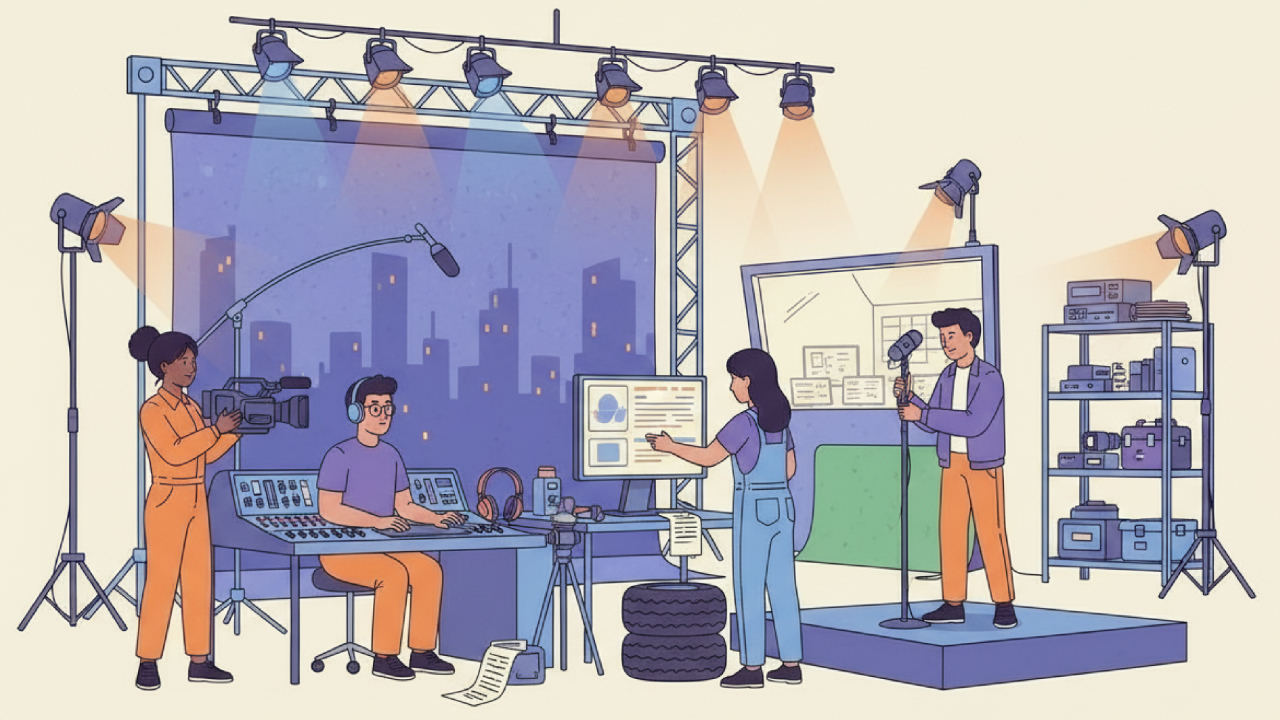
Entertainment & Media
Step into entertainment and media, where creativity and collaboration are celebrated. From production to digital content, this industry values real-world skills and diverse perspectives.
Insurance
Protect people, businesses, and futures in an industry that values sharp minds and clear thinking. Insurance offers accessible career paths with strong progression, from apprenticeships to specialist roles in risk, data, and client advice.
Law & Legal Services
Find your place in law & legal services, supporting fairness and justice. This sector values analytical thinking and communication, with accessible roles for diverse skill sets.
PR & Communications
Shape stories, build brands, and connect with audiences. PR and communications offers creative, fast-paced careers for young people who love writing, strategy, and making an impact through words.
Publishing
Bring stories and ideas to life in publishing, where creativity meets detail. Explore roles in editorial, design, marketing, and production, with clear entry routes for young people.
Recruitment & HR
Connect people with their perfect roles and help organisations thrive. Recruitment and HR offers fast-paced, people-centred careers with clear progression from entry-level to leadership.
English is about understanding people through words. It helps you read between the lines, spot what someone is really saying, and communicate clearly, whether that is in an essay, an email, a speech, a story, or a social post.
This page shows what English looks like in real life, what strengths it can build, and a few low pressure ways to try it, even if you have never thought of yourself as an “English person”.
- Getting pulled into a book, fanfiction, manga, or a series and wanting to talk about it.
- Noticing lyrics, quotes, or lines that hit you, then saving or sharing them.
- Debating a topic with friends, explaining your point, or writing a strong message.
- Writing captions, scripts, reviews, or long texts, and caring how they land.
- Watching films or TikToks and spotting themes, stereotypes, or hidden messages.
- Helping someone rewrite a CV, cover letter, complaint, or email so it sounds right.
English is the subject that turns thoughts into impact. It helps you understand stories, arguments, and people, then use language to persuade, explain, comfort, challenge, or entertain.
Budi treats English as a strong signal for people who like meaning, nuance, and making things clearer. It often links to strengths like empathy, curiosity, critical thinking, and confident communication.
- Read closely, notice tone, intention, and what is implied, not just what is said.
- Build an argument, make a claim, choose evidence, explain why it matters.
- Write with purpose, inform, persuade, entertain, or help someone take action.
- Edit and improve, tighten sentences, choose better words, clarify structure.
- Speak and present, organise ideas, use examples, respond to questions.
- Compare viewpoints, spot bias, separate opinion from evidence.
- Empathy and perspective taking, understanding characters, audiences, and real people.
- Critical thinking, spotting weak arguments, bias, and missing context.
- Clear communication, saying what you mean, and helping others understand.
- Creativity, playing with voice, style, humour, and storytelling.
- Confidence with feedback, drafting, editing, and improving over time.
- Attention to detail, grammar, structure, and choosing the right words for the moment.
Marketing, advertising, and PR
Writing copy, shaping messages, telling stories that people remember.
Example roles:
- junior copywriter, content assistant, PR assistant, social media assistant.
Media and publishing
Scripts, articles, editing, reviews, podcasts, and production notes.
Example roles: editorial assistant, junior reporter, podcast assistant, production runner.
People-facing work
- Explaining, listening, de-escalating, and building trust.
- Example roles: customer support advisor, recruitment coordinator, community assistant, youth worker.
- Law, policy, and public services
- Reading carefully, writing clearly, handling evidence, and understanding different sides.
- Example roles: legal admin assistant, casework assistant, policy support officer, civil service apprentice.
- Education and training
- Teaching, tutoring, mentoring, and creating learning resources.
- Example roles: teaching assistant, learning support assistant, tutor, training coordinator.
Easy start, 10 mins: Pick a post, article, or video you saw today. Write 3 sentences, what it is saying, what it wants you to feel or do, and one question you still have.
Medium, 20 to 30 mins: Rewrite a short message in two styles, one friendly and one professional. Same meaning, different tone. Notice what you changed.
Stretch, 45 to 60 mins: Choose a topic you care about. Write a short argument with one clear point, two pieces of evidence, and a fair counterpoint. Then edit it once to make it clearer and kinder.
English can act as a helpful signal for strengths like communication, empathy, critical thinking, and creativity. Budi combines this with other signals to suggest industries, role types, and next steps. It is not here to box anyone in, it is here to open up options they might not have seen yet.
English can work for loads of learning styles. If long books feel inaccessible, you can build the same skills through short stories, audiobooks, lyrics, scripts, comics, or short-form content.
If writing feels stressful, start with voice notes, bullet points, or mind maps, then turn them into sentences. The skill is organising meaning, not being perfect on the first draft.
- - Public Speaking & Debate, persuasion, confidence, clear thinking.
- Media (Film/TV/Content Creation), scripts, storytelling, editing.
- Marketing, Advertising & PR, messaging, audience, copy.
- History, interpretation, evidence, argument.
- Social Sciences (Psychology / Sociology / Politics), viewpoints, language, society.
- Public Speaking & Debate, persuasion, confidence, clear thinking.
- Media (Film/TV/Content Creation), scripts, storytelling, editing.
- Marketing, Advertising & PR, messaging, audience, copy.
- History, interpretation, evidence, argument.
- Social Sciences (Psychology / Sociology / Politics), viewpoints, language, society.