Content Hub / Explore
Gardening & Growing
Whether you’re growing veg on a windowsill or helping out on an allotment, gardening teaches patience, science, and care for the environment. It connects to careers in horticulture, agriculture, landscaping, and sustainability.
Where this leads
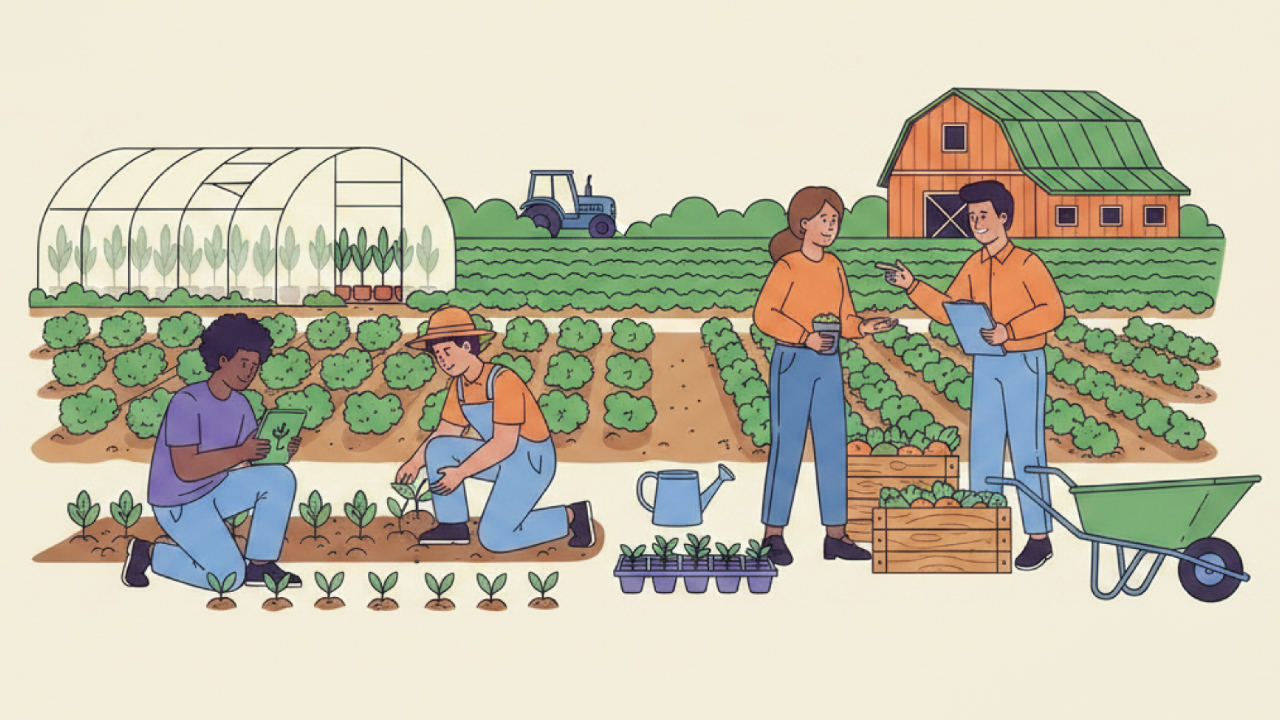
Agriculture
Explore opportunities in agriculture, from hands-on farming to agri-tech. This industry welcomes all backgrounds, focusing on sustainable growth and supporting local food systems across Hertfordshire, Essex, and Suffolk.
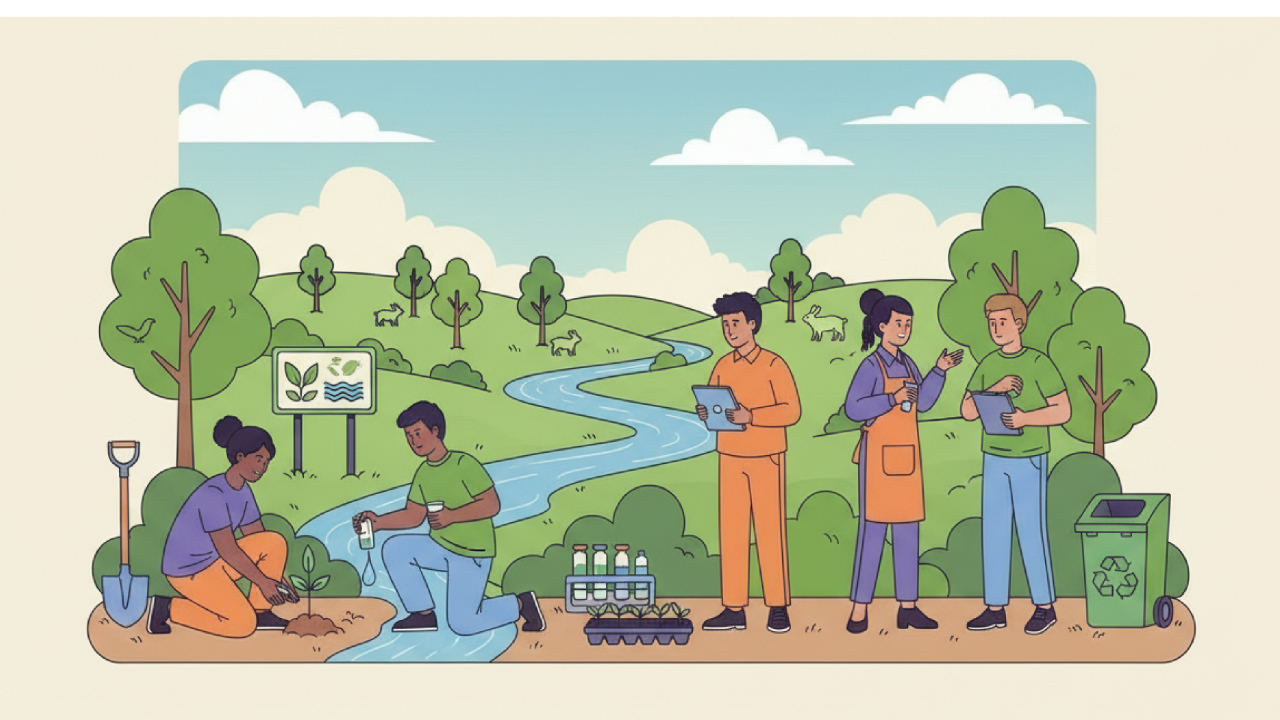
Environmental Services
Make a local impact in environmental services. Roles focus on sustainability, conservation, and community health—ideal for those passionate about protecting our planet and supporting local initiatives.
Horticulture
Grow and care for plants in horticulture, where patience, practical skills, and attention to detail create real impact. From nurseries and landscaping to food growing and green spaces, it’s hands-on work with visible results.
Retail & Consumer Goods
Build your career in retail & consumer goods, where people skills and adaptability shine. Accessible opportunities support local businesses and drive community connections.
Whether you're making beats, mixing tracks, playing DJ sets, or producing full songs, music production and DJing are about transforming sound into art. You're learning audio engineering, rhythm, composition, and the technical skills to bring sonic ideas to life.
- Using production software (Ableton, FL Studio, Logic, Fruity Loops)
- Making beats and experimenting with sound
- DJing at events or practising mixing at home
- Learning sound design and how different sounds are created
- Producing tracks in specific genres (electronic, hip-hop, ambient)
- Remixing existing music and reinterpreting it
- Collaborating with producers or artists online
- Attending electronic music events and being inspired by producers
Music production and DJing interest is a strength signal because it demonstrates technical problem-solving, audio literacy, creative composition, and systems thinking. You're learning how sound works at a technical level (frequency, compression, EQ) while also developing artistic sensibility. Production teaches you that small technical decisions (the choice of one synth sound, the timing of a drop) shape the overall impact. DJing teaches you to read an audience, manage energy, and transition between ideas seamlessly. Both require you to understand that technology is a creative tool and that mastering your tools enables creative expression.
- Understanding music production software and digital audio workstations
- Creating and layering sounds through synthesis and sampling
- Understanding music theory and how melodies and chords work
- Mixing and balancing audio tracks
- Using effects and processing creatively
- Beatmatching and mixing tracks as a DJ
- Understanding genre conventions and producing within or against them
- Recording and editing audio
- Collaborating with other producers and artists
- Technical fluency: You master complex software
- Audio literacy: You train your ear to hear subtle differences
- Creativity: You combine elements into something new
- Problem-solving: You troubleshoot technical issues
- Time management: You balance sonic elements across a track
- Systems thinking: You understand how parts fit into a whole
- Audience awareness: You create for people and respond to their energy
- Persistence: You iterate on tracks until they're ready
- Professional music production: Producers create music for artists, films, and media
- DJing and live performance: DJs perform at clubs, festivals, and events
- Sound design for media: Sound designers create audio for film, games, and advertising
- Audio engineering: Engineers record, mix, and master music
- Electronic music composition: Composers create original electronic pieces
- Broadcast and streaming: Music supervisors and curators select music for platforms
- Music technology development: Developers create the tools producers use
- Music education: Educators teach production and audio engineering
- Live sound and event production: Sound technicians manage audio at events
- Music distribution and licensing: Distributors help producers reach audiences
Easy start: Download free production software (Ableton Live Lite, FL Studio trial, or open-source Reaper) and follow YouTube tutorials. Create your first beat or short track, no matter how rough. The goal is getting comfortable with the interface and creating something you made.
Medium: Commit to learning production fundamentals. Follow structured courses on music theory, mixing, sound design, and your DAW of choice. Produce 10-15 short tracks and share them online for feedback. Join production communities and learn from other producers.
Stretch: Develop a signature sound in a genre you love. Create an EP of finished tracks. Perform a DJ set or release your music on streaming platforms. Collaborate with other producers or artists and expand your skills through partnership.
When we see music production and DJing interests, we're noting technical fluency, audio literacy, creative composition, and systems thinking. We're looking for evidence that you can master complex tools, make artistic decisions, and iterate towards mastery. These skills signal readiness for careers in music production, audio engineering, sound design, technology, and creative fields requiring both technical precision and artistic vision.
Music production can be adapted for various disabilities. If you have mobility limitations, customisable control surfaces and adapted keyboard layouts exist. If you're blind or have low vision, screen readers work with some DAWs; keyboard shortcuts become your primary interface. If you're deaf or hard of hearing, visual feedback (meters, waveforms) and haptic feedback on controllers help; deaf producers and sound designers exist and create amazing work. If you have ADHD, the creative feedback loop of music production (adjusting, hearing results immediately) can be deeply engaging. If you're neurodivergent, the precise, logical nature of production software and the rule-based structure of music theory might align perfectly with how you think. Many brilliant producers have disabilities — your way of working with sound is valid and valuable.
- Music and instrument playing (understanding music from a performer's perspective)
- Audio engineering and sound design (the technical side of sound)
- Mixing and mastering (refining recordings professionally)
- Live performance and DJing (performing your music for audiences)
- Music composition and songwriting
- Technology and computing (learning production tools deeply)
- Event production and live sound (managing audio in real time)