    inyourroots®
    • About

    Back to Industry Hub

    Industry Guide

    Horticulture Careers for Young People

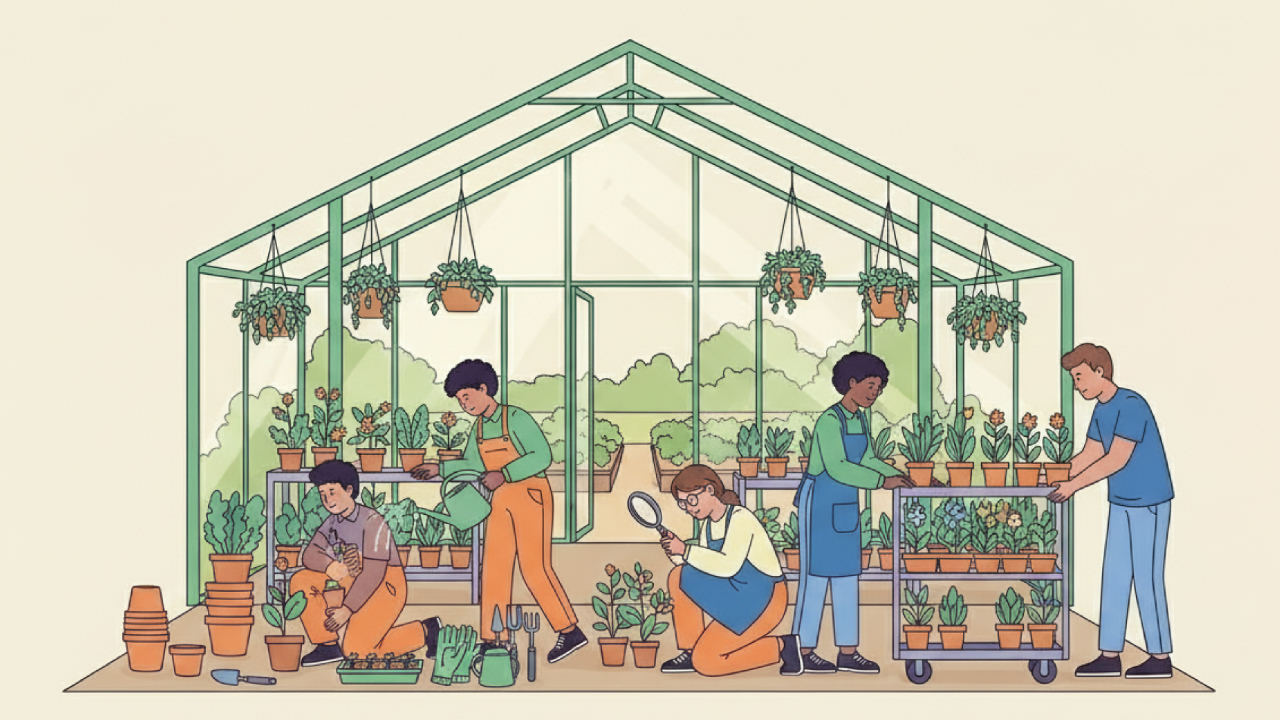
    Grow and care for plants in horticulture, where patience, practical skills, and attention to detail create real impact. From nurseries and landscaping to food growing and green spaces, it’s hands-on work with visible results.

    Open Budi

    Horticulture: explore where it could take you

    Grow and care for plants in horticulture, where patience, practical skills, and attention to detail create real impact. From nurseries and landscaping to food growing and green spaces, it’s hands-on work with visible results.

    🧭

    What the industry covers

    Horticulture is about growing and caring for plants, landscapes and green spaces. It includes nurseries, parks, garden centres, landscaping, food growing and biodiversity work, with routes through apprenticeships and practical experience.


    What kind of people thrive here?

    This kind of work is usually hands-on and practical, connected to nature or outdoor work, routine-based, with busier seasonal periods and detail-focused. It can suit you if you like work that has a clear purpose, gives you room to grow, and connects your strengths to real tasks.

    💬

    Communication

    You can share ideas clearly and listen to other people.

    🔍

    Attention to Detail

    You notice small things and care about accuracy and quality.

    💡

    Creativity

    You enjoy developing ideas and finding fresh ways to express or solve something.

    🧩

    Problem Solving

    You stay curious and work through challenges step by step.


    Key industry insights

    📍

    Look beyond the obvious employers

    Local organisations, SMEs, charities, public bodies and specialist employers can offer valuable first steps, practical experience and clearer routes to responsibility.

    💷

    Pay varies by role

    Experience, responsibility, qualifications, employer and location all affect salary. Treat published figures as a guide rather than a guarantee.


    How to start your horticulture career

    1. 1.Explore your strengths.

    Think about whether you prefer creating, making, fixing, analysing, organising, supporting people or working with technology.

    1. 2.Research realistic pathways.

    Look at apprenticeships, college courses, traineeships, volunteering, entry-level vacancies and local employers.

    1. 3.Build evidence.

    Use school, college, work, volunteering or personal projects to show what you can already do.

    1. 4.Learn the language of the sector.

    Read job descriptions, follow current developments and notice the skills employers mention repeatedly.

    1. 5.Apply before you feel perfect.

    Employers do not expect beginners to know everything — they look for potential, reliability and willingness to learn.


    Roles and career pathways

    Where people often start

    Opportunities include nurseries, landscaping, parks, garden centres, food growing, biodiversity projects and grounds maintenance. Practical experience and plant knowledge build confidence quickly.

    Where it can lead

    Horticulture is about growing and caring for plants, landscapes and green spaces. It includes nurseries, parks, garden centres, landscaping, food growing and biodiversity work, with routes through apprenticeships and practical experience. With experience, you may move into specialist, supervisory, management, consultancy or leadership work depending on the pathway you choose.

    What employers value

    Helpful skills include plant care, basic biology, safe tool use, soil management, pest/disease awareness, time management, teamwork and communicating with customers. You do not need to be perfect at all of them straight away — these are strengths you can build through projects, volunteering, part-time work, courses, apprenticeships or simply practising.


    Skills employers value

    Helpful skills include plant care, basic biology, safe tool use, soil management, pest/disease awareness, time management, teamwork and communicating with customers. You do not need to be perfect at all of them straight away — these are strengths you can build through projects, volunteering, part-time work, courses, apprenticeships or simply practising.

    • Communication
    • Attention to Detail
    • Creativity
    • Problem Solving

    Trends and useful preparation

    🌟

    Why this section matters

    This field is changing. Showing that you understand what is happening — and that you are already taking small steps to prepare — can help you stand out.

    Trends to watch

    • Market picture: Because horticulture is seasonal and often overlaps with agriculture, the available data is a broad signal rather than a neat year-on-year measure.
    • Opportunity areas: Opportunities include nurseries, landscaping, parks, garden centres, food growing, biodiversity projects and grounds maintenance. Practical experience and plant knowledge build confidence quickly.
    • Things to be aware of: Things to be aware of: work can be seasonal, outdoors and physically active, with weather affecting plans. Plant care also needs patience and consistent attention.

    Useful preparation

    • Talk about consistency: caring for plants, outdoor responsibilities, practical projects, garden work, landscaping, food growing or looking after equipment.
    • Show that you understand weather, seasons and patience are part of the work.
    • If you have grown anything, even at home, use it as proof of interest.
    • Reliability matters.

    Your next step

    You do not need to be a finished expert to belong in horticulture. Start with curiosity, build evidence through small experiences and explore the pathway that fits how you work best.

    People often arrive from

    Agriculture & Land-based StudiesGardening & Growing
    inyourroots®

    Nationwide access, local roots. We're launching matching across Essex, Hertfordshire, and Suffolk. Expanding as we grow.

    Explore

    • Young People
    • Employers
    • Parents
    • Educators
    • About
    • Careers

    Tools & Resources

    • Content Hub
    • Budi
    • inyourroots® ecosystem
    • Policies Hub
    • Press & Media
    • Contact
    © 2026 inyourroots®. All rights reserved.