Content Hub / Explore
History
Explores the past to understand the present — from local events to global change. Builds research, analytical writing, and critical thinking skills that are valued in law, politics, journalism, heritage, and many more fields.
Where this leads
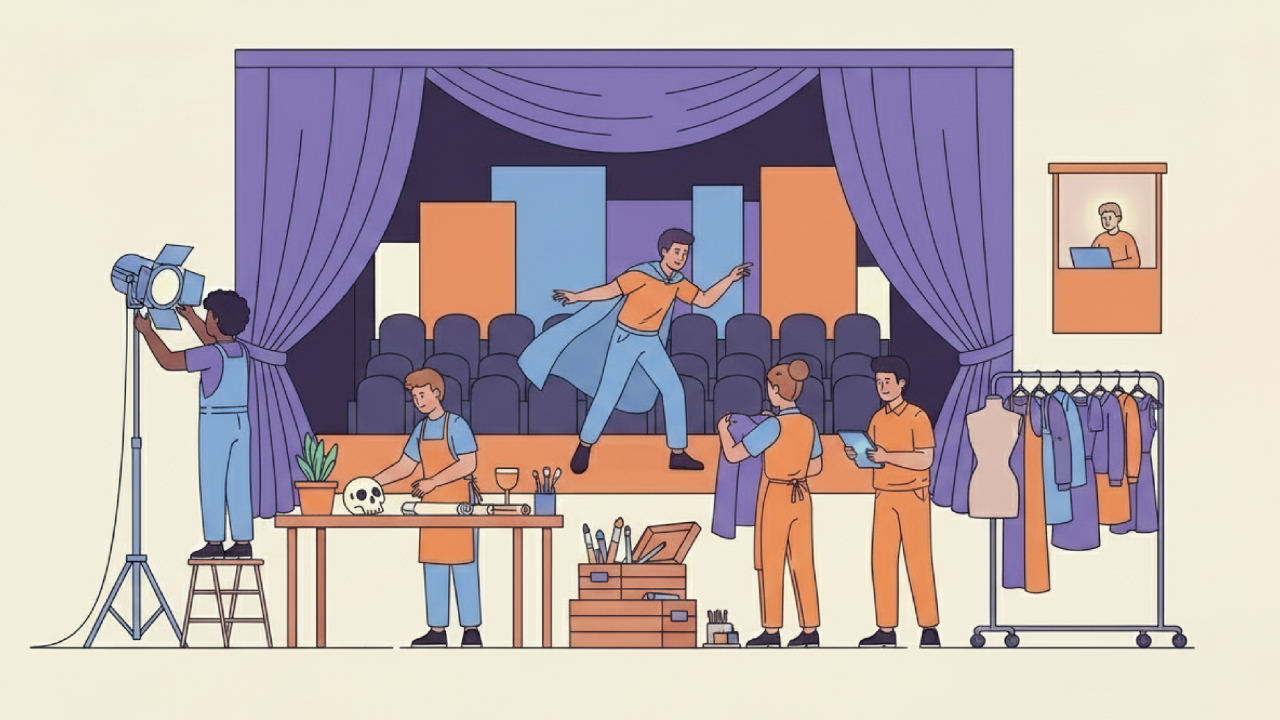
Arts & Culture
Bring ideas to life and shape how people experience the world. Arts and culture careers reward creativity, passion, and the courage to express yourself — with growing opportunities in digital, live events, and community programmes.
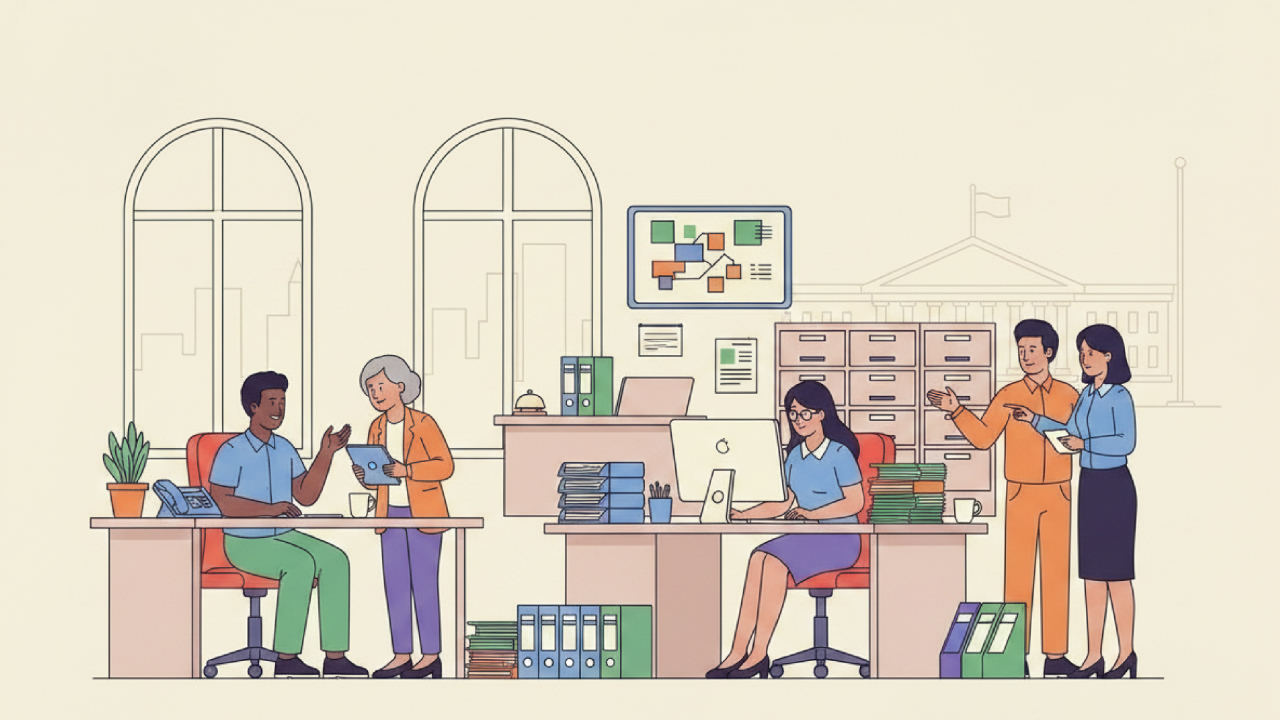
Civil Service
Make a difference in civil service, where dedication to community and fairness is at the heart of every role. Accessible pathways help you support local government and drive positive change.
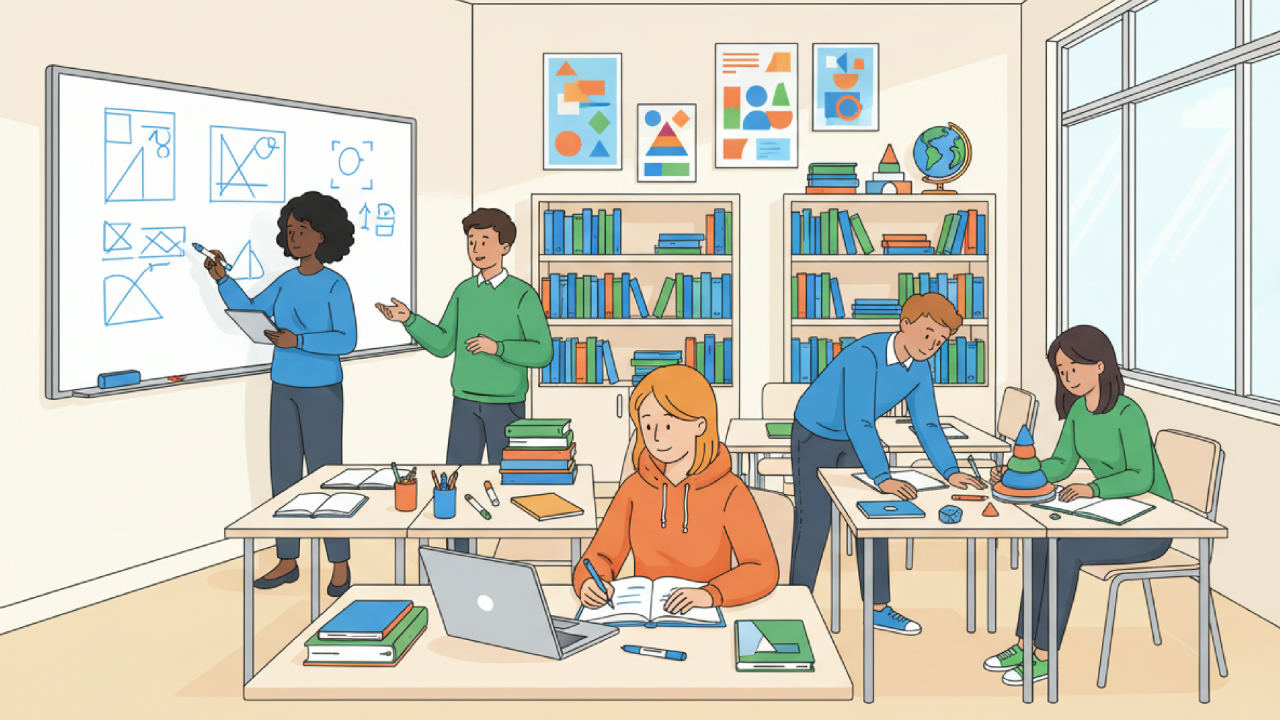
Education
Shape the future in education, supporting learners of all ages. Whether you’re organized, empathetic, or a great communicator, there’s a place for your strengths in schools, training, and community learning.
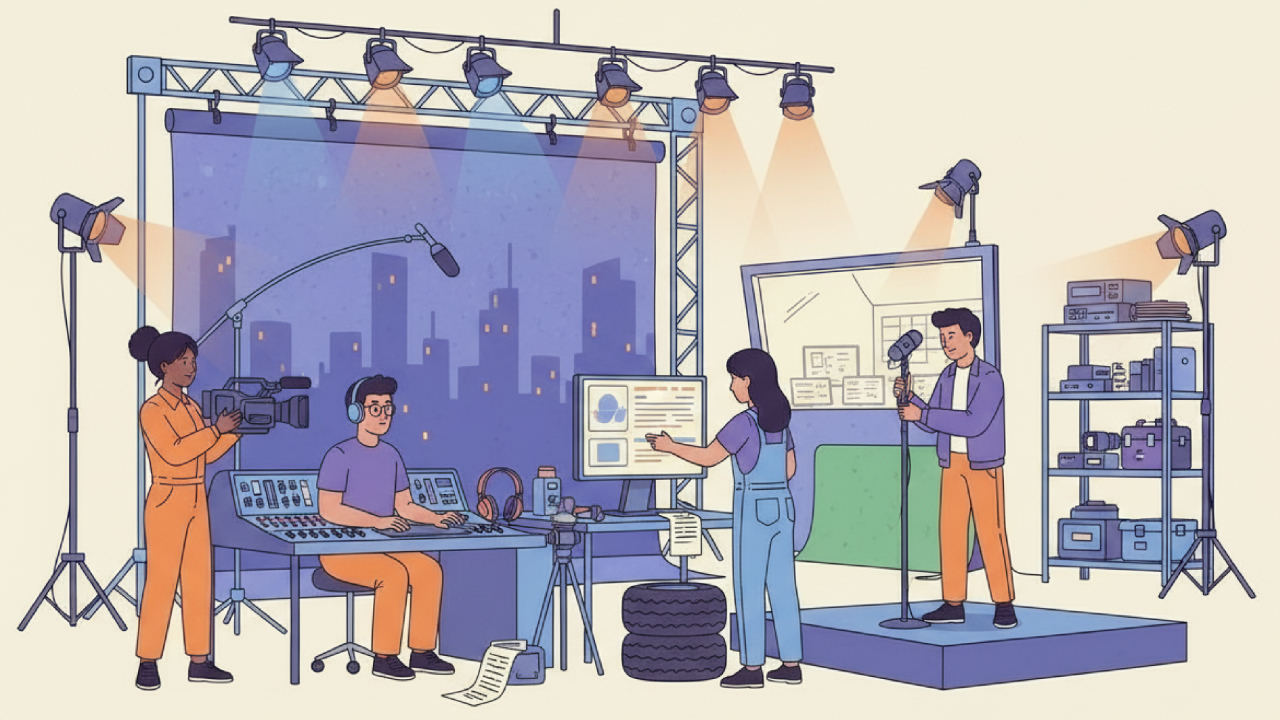
Entertainment & Media
Step into entertainment and media, where creativity and collaboration are celebrated. From production to digital content, this industry values real-world skills and diverse perspectives.
Law & Legal Services
Find your place in law & legal services, supporting fairness and justice. This sector values analytical thinking and communication, with accessible roles for diverse skill sets.
History is about exploring the past to understand the present—learning from what happened, how it happened, and why it matters. It can lead to law, journalism, heritage work, academia, or any field that values deep research and critical thinking. It builds analytical skills, evidence literacy, and the ability to construct clear arguments.
This page shows what history looks like in real life, what strengths it can build, and a few low pressure ways to try it, even if you've never thought of yourself as a "history person".
- Being curious about how things came to be—local history, family history, world events.
- Reading historical fiction, watching period dramas, or visiting museums and heritage sites.
- Asking "why did that happen?" about current events, social issues, or cultural differences.
- Studying GCSE or A Level History, enjoying research projects and essay writing.
- Watching documentaries, history podcasts, or YouTube history channels.
- Being drawn to archives, old documents, photographs, or oral histories.
- Noticing how past decisions shape today's problems and opportunities.
History is a brilliant signal for people who think in context, love detective work, and want to understand systems and change. It's not about memorising dates; it's about piecing together evidence, understanding motivations, and seeing how different perspectives on the same event can all contain truth.
Budi treats history as a clue for analytical thinking, research skills, critical evaluation, and evidence literacy. You're building abilities in finding sources, interpreting evidence, constructing arguments, and communicating complex narratives clearly.
- Research and source material, finding documents, artefacts, oral histories, and evidence.
- Evaluate critically, assessing sources for bias, reliability, and what they tell us.
- Contextualise and interpret, understanding the world people lived in, their constraints and choices.
- Construct narratives, building arguments from evidence, explaining cause and effect.
- Communicate clearly, explaining complex historical ideas to different audiences.
- Connect to present, understanding how history informs current issues and debates.
- Analytical and critical thinking, evaluating evidence, spotting bias, weighing interpretations.
- Research and evidence literacy, finding sources, understanding reliability, gathering information.
- Writing and communication, constructing clear arguments, explaining complexity, engaging readers.
- Contextual thinking, understanding systems, change, constraints, and interconnections.
- Intellectual humility, recognising that interpretation is complex and perspectives differ.
- Narrative and meaning-making, helping others understand how the past shapes the present.
- Heritage and museums
- Museums, heritage sites, archives, conservation, education, exhibition curation.
- Example roles: museum assistant, heritage interpreter, archivist assistant, education officer.
- Archaeology
- Excavation, artefact analysis, research, heritage management, fieldwork.
- Example roles: archaeology technician, site assistant, finds processor.
- Journalism and media
- Investigative reporting, feature writing, historical documentaries, media research.
- Example roles: researcher, journalist, feature writer, documentary assistant.
- Academia and research
- Universities, research institutes, historical societies, publishing.
- Example roles: research assistant, tutor, academic support staff.
- Law and policy
- Understanding legal precedent, policy history, regulatory history, governance.
- Example roles: legal researcher, policy analyst, historical advisor.
Easy start, 10 to 15 mins. Pick a historical event you're curious about (a war, invention, social movement, period). Watch a short documentary or read a summary. Write down: What happened? Who was involved? What changed as a result?
Medium, 30 to 45 mins. Find two different historical perspectives on the same event or period (from different countries, classes, or times). What's similar? What differs? Why might interpretations change? What does that tell you about understanding history?
Stretch, 1 to 2 hours. Conduct a mini research project. Pick a local history question (What was this building used for? How did this street change? Who lived here?). Find sources (archives, old photos, interviews, documents). Write a short explanation of what you discovered.
History can act as a helpful signal for strengths like analytical thinking, research skills, critical evaluation, communication, contextual thinking, and intellectual humility. Budi combines this with other signals to suggest industries, role types, and next steps. It's not here to box anyone in; it's here to open up options they might not have seen yet.
History belongs to everyone. Your family history, community history, or personal experience of historical events is valuable research material. If you have dyslexia or reading difficulties, audiobooks, podcasts, documentaries, and oral history projects are brilliant alternatives to text. If you use a screen reader, many archives and historical societies have digitised collections and are improving accessibility. If researching difficult histories (colonialism, slavery, persecution) is emotionally challenging, support is available; many institutions are developing trauma-informed approaches.
Different approaches work in history—some people are meticulous archivists, others storytellers or public historians. All contribute to understanding the past.
- English (Language & Literature), interpretation, narrative, written communication.
- Social Sciences (Psychology/Sociology), understanding society, culture, change.
- Geography, understanding places, regions, environmental and human change.
- Archaeology, excavation, material culture, understanding the past through artefacts.
- Journalism & Publishing, research, storytelling, evidence-based writing.