Content Hub / Explore
Horse Riding & Equestrian
Horse riding builds confidence, discipline, and a strong bond with animals. Whether you ride for fun or competitively, the skills you develop connect to careers in animal care, veterinary work, sports coaching, and land management.
Where this leads
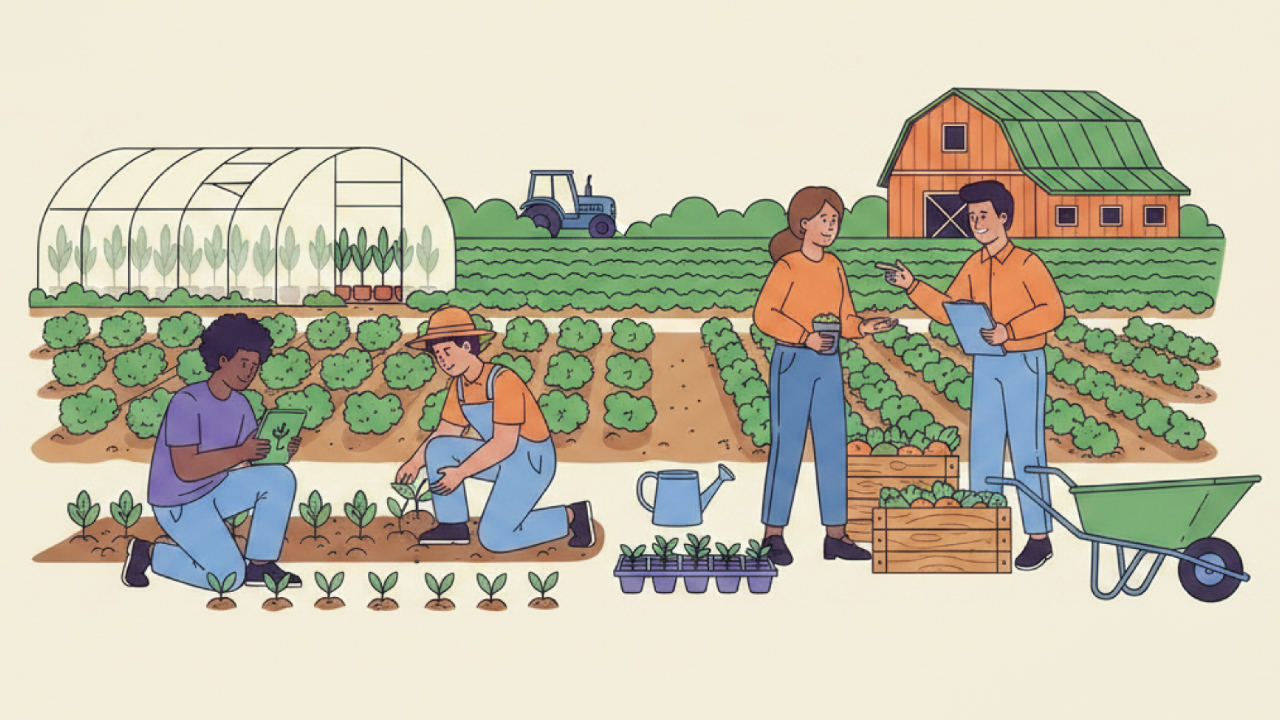
Agriculture
Explore opportunities in agriculture, from hands-on farming to agri-tech. This industry welcomes all backgrounds, focusing on sustainable growth and supporting local food systems across Hertfordshire, Essex, and Suffolk.
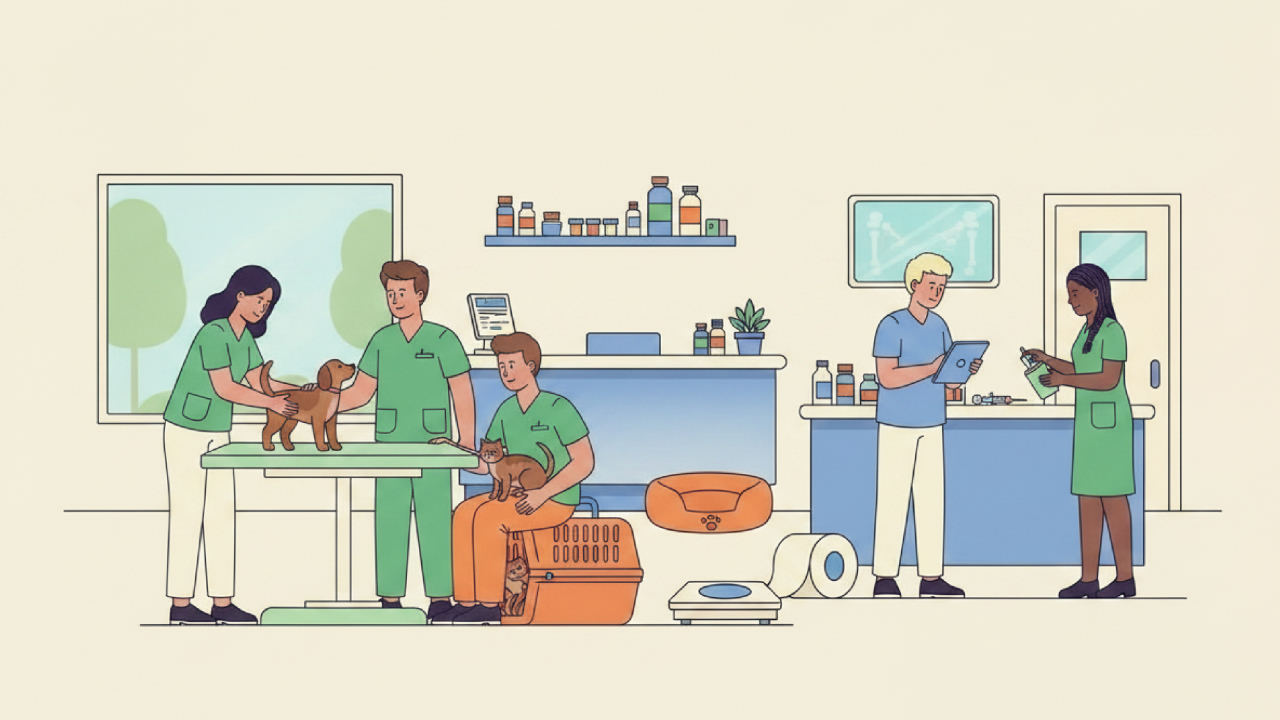
Animal & Veterinary Services
Match with animal and veterinary roles that prioritize compassion, attention to detail, and community wellbeing. Your natural abilities can help improve animal health and support local pet owners.
Health & Wellness
Support wellbeing in health & wellness roles. This sector values empathy, communication, and practical skills, with accessible pathways for all backgrounds to foster local health.
Sports & Leisure
Get active in sports & leisure, where teamwork, motivation, and leadership are celebrated. Accessible roles range from coaching to management, all supporting local wellbeing.
Whether you're cantering across fields or learning to navigate a horse's temperament at a riding school, horse riding and equestrian pursuits build something profound: confidence, discipline, respect, and the ability to communicate with a completely different species. Equestrianism teaches partnership, responsibility, and physical courage.
- Taking riding lessons at a local stables or riding school
- Participating in Pony Club or riding competitions
- Caring for horses: grooming, mucking out, feeding
- Exploring different riding disciplines (dressage, jumping, hacking, western riding)
- Understanding horse behaviour and psychology
- Competing in shows, Pony Club events, or cross-country competitions
- Learning stable management and horse health
- Attending equestrian events or watching competition
Horse riding and equestrian pursuits signal confidence, discipline, communication skills, and the ability to work responsibly with animals. Riding requires physical courage, focus, and genuine partnership with another being. It teaches you that you have to earn trust, that consequences are real, and that persistence and correct technique matter. These are lessons that transfer directly to leadership, responsibility, and teamwork. Equestrian sports also demand discipline, resilience (horses will buck you off), and the humility to keep learning.
- Developing balance, coordination, and physical control in the saddle
- Understanding horse behaviour, psychology, and how to communicate with horses
- Learning different riding disciplines and techniques
- Caring for horses: grooming, tacking up, recognising health issues
- Stable management: mucking out, feeding, hay management
- Building confidence and overcoming fear
- Developing discipline and consistent practice
- Learning to read the horse and respond appropriately
- Confidence: Horses sense fear — riding builds genuine self-assurance
- Communication: You learn to communicate clearly and consistently with a non-verbal being
- Responsibility: A horse's wellbeing depends on your care and decisions
- Discipline: Consistent, correct practice is the only way forward
- Resilience: You'll fall off; you get back on and keep learning
- Physical strength and coordination: Your body develops capability
- Respect: You learn to respect a creature far larger and more powerful than you
- Competitive equestrian sports: Riders compete at regional, national, and international levels across disciplines
- Coaching and instruction: Riding instructors teach horsemanship and develop young riders
- Stable management and farrier work: Stable managers and farriers care for horses professionally
- Equine veterinary and rehabilitation: Veterinarians and rehabilitation specialists work with horse health
- Therapeutic riding: Therapists use horses to support physical and psychological healing
- Police and military: Mounted police and cavalry units still exist in some countries
- Tourism and hospitality: Riding holidays and ranch experiences rely on good horsemanship
- Land and estate management: Understanding equestrian needs informs land stewardship
Easy start: Take a beginner's riding lesson if you haven't already. Many riding schools offer taster sessions. Notice how it feels to move with a horse and how your confidence builds as you learn basic control. Visit a stables and spend time around horses — grooming, leading, observing.
Medium: Commit to regular riding lessons and aim to develop basic competence. Spend time at the stables learning about horse care and behaviour. Attend Pony Club events or watch equestrian competitions. Consider joining a riding club or group.
Stretch: Work towards a qualification or competitive goal. This might be passing riding tests, competing in shows, or achieving a specific discipline proficiency. Develop real partnership with a particular horse and understand how that deepens with time and trust.
When we see equestrian interests, we're noting confidence, responsibility, communication skills, and the ability to work with living, responsive systems. We're looking for evidence of discipline, resilience, and respect — qualities that matter in leadership, veterinary work, land management, teaching, and any role requiring responsibility for others. Equestrians often demonstrate quiet confidence and the ability to stay calm under pressure.
Equestrian pursuits can be adapted for various disabilities through therapeutic and adaptive riding programmes. If you have physical disabilities, adapted saddles, mounting equipment, and specially trained horses exist. Hippotherapy (therapeutic riding) is an evidence-based treatment for physical and psychological challenges. If you're blind or have low vision, riding is possible with support and specially trained horses; some blind riders compete. If you're deaf, many aspects of horsemanship are visual anyway; communication with horses is about feel and body language more than sound. If you have mobility limitations, adapted mounting systems and gentler disciplines exist. If you have ADHD or autism, the focus required and the non-verbal, sensory-rich nature of riding can be deeply grounding and engaging. Many excellent riders and equestrians work around disabilities — your body, or your way of moving, doesn't determine your capability with horses.
- Animal care and veterinary sciences (understanding animal health and behaviour)
- Land-based studies and estate management (stewardship of land for horses)
- Sports and physical development (physical challenge and coaching)
- Outdoor adventure (working in natural environments)
- Therapy and helping professions (therapeutic riding bridges these)
- Travel and tourism (equestrian travel and experiences)
- Leadership and teamwork (partnership and responsibility)