Content Hub / Explore
Journaling & Scrapbooking
Love keeping a journal, bullet journaling, or creating scrapbooks? These hobbies develop self-reflection, organisation, creativity, and visual storytelling — useful in design, marketing, wellbeing work, and project management.
Where this leads
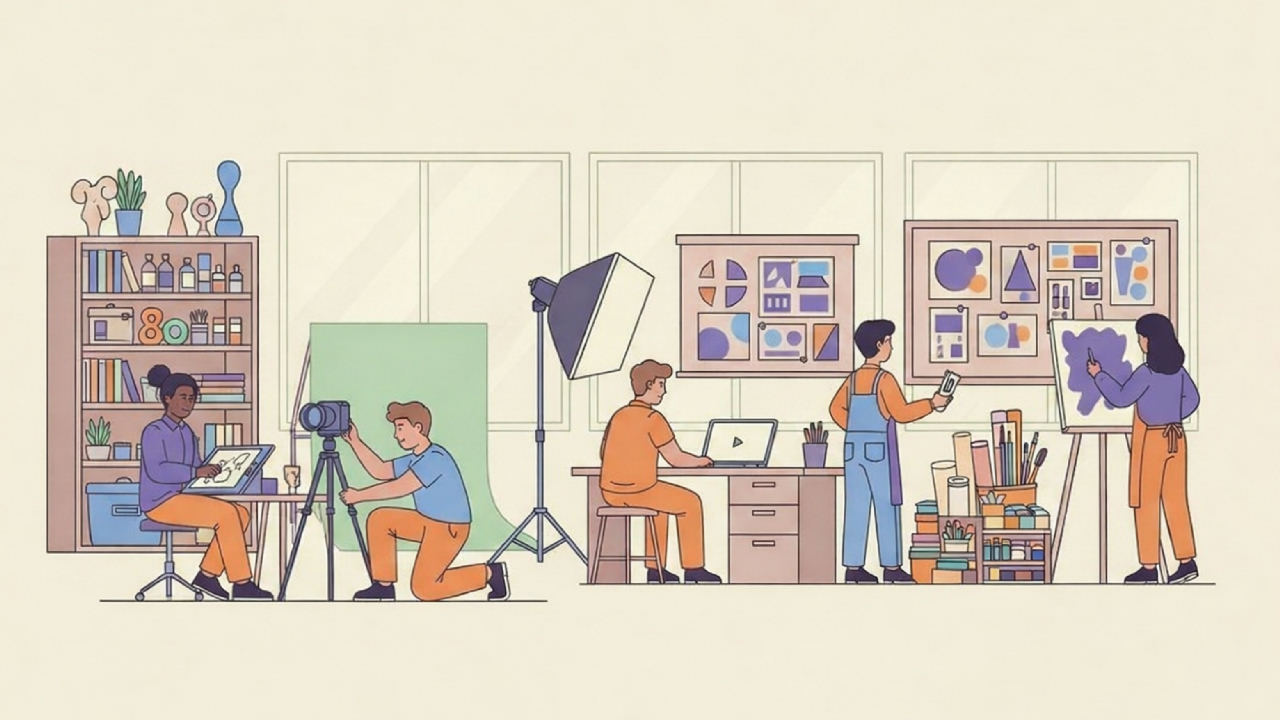
Creative Industries
Express your strengths in the creative industries—arts, design, media, and more. This sector champions fresh ideas, inclusivity, and authentic self-expression, with accessible roles for every talent.
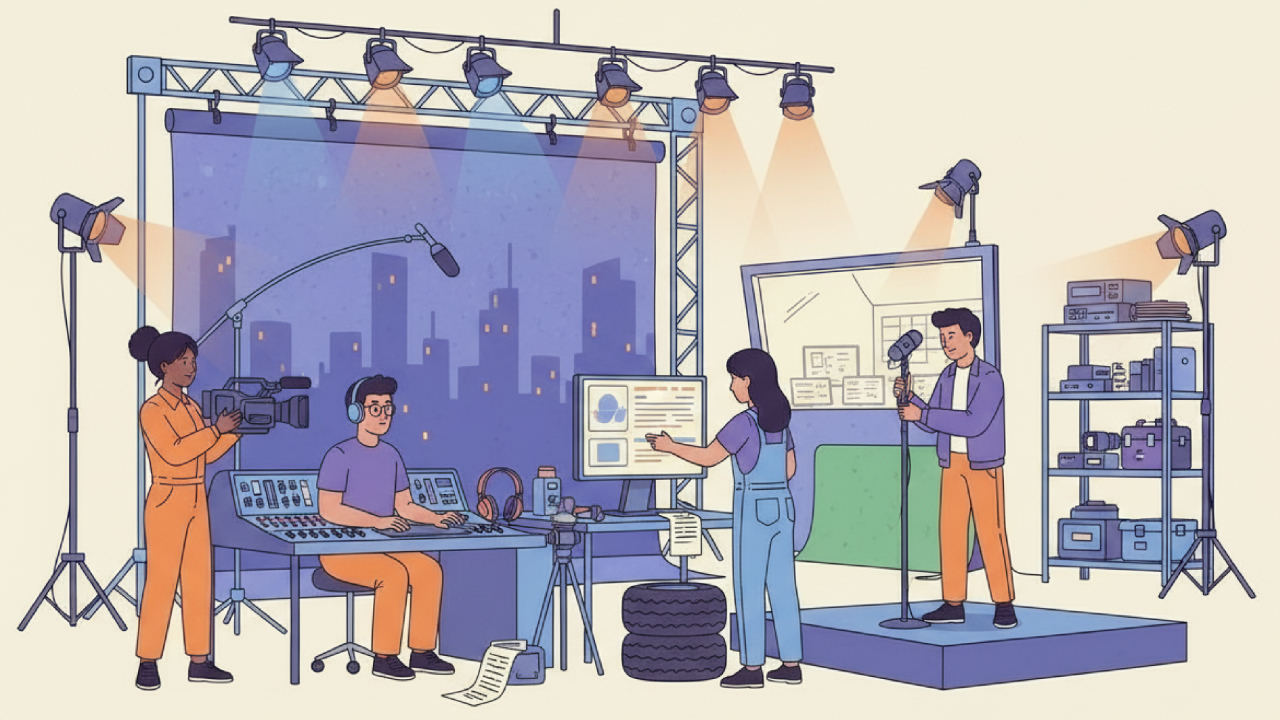
Entertainment & Media
Step into entertainment and media, where creativity and collaboration are celebrated. From production to digital content, this industry values real-world skills and diverse perspectives.
Health & Wellness
Support wellbeing in health & wellness roles. This sector values empathy, communication, and practical skills, with accessible pathways for all backgrounds to foster local health.
Retail & Consumer Goods
Build your career in retail & consumer goods, where people skills and adaptability shine. Accessible opportunities support local businesses and drive community connections.
Whether you're climbing an indoor wall, bouldering on outdoor rocks, or tackling sport climbing, climbing develops problem-solving, physical courage, and the ability to work through frustration constructively. Every climb is a puzzle to solve, and every failure is feedback.
- Climbing at indoor walls or outdoor crags
- Bouldering and working on boulder problems
- Taking climbing lessons and developing technique
- Training for climbing grades or achievements
- Climbing competitively or recreationally
- Working on finger strength and core power
- Learning climbing safety and risk management
- Part of a climbing community or climbing gym
Climbing and bouldering signal problem-solving, physical courage, persistence through failure, and ability to work collaboratively (belaying partners). Climbing is fundamentally about reading a route, planning your moves, and executing them. You fail repeatedly and keep trying. This teaches you resilience and the growth mindset — that struggle means you're learning. You also build genuine physical strength and body confidence. The climbing community is generally inclusive and supportive; you're working alongside people at all levels, all working hard.
- Reading routes and planning climbing sequences
- Developing finger and core strength
- Learning climbing technique and footwork
- Managing fear and building confidence
- Belaying and managing climbing partners safely
- Problem-solving each individual climb
- Pushing your limits and trying harder problems
- Understanding climbing grades and progression
- Problem-solving: Each climb is a puzzle to solve
- Courage: You manage fear and push yourself
- Persistence: You try again after failing many times
- Strength: Physical and mental strength develop together
- Confidence: You achieve things you didn't think possible
- Risk management: You understand safety and manage risk
- Teamwork: You rely on partners and support others
- Growth mindset: You believe you can improve through effort
- Professional climbing and competition: Athletes climb competitively at elite levels
- Mountain guides and outdoor education: Guides teach climbing and mountaineering
- Rock climbing gyms and facilities: Staff manage climbing facilities and teach
- Search and rescue and emergency services: Climbing skills support rescue operations
- Engineering and construction: Skills transfer to working at heights
- Physical therapy and rehabilitation: Climbing supports physical recovery
- Outdoor education and adventure training: Educators use climbing to build confidence
- Sports science and performance coaching: Specialists work with climbers
Easy start: Visit a local indoor climbing gym and try an intro session. Experienced staff will teach you basic technique and safety. Don't worry about how high you climb — focus on learning the movements.
Medium: Join a climbing gym and go regularly. Work on a progression of climbs. Take lessons to develop technique properly. Join a climbing community — the people you meet will support and encourage you.
Stretch: Set a climbing goal: lead a particular outdoor route, boulder a V-grade problem, or compete in a climbing event. Work towards it deliberately. This teaches you how commitment and training compound into achievement.
When we see climbing and bouldering interests, we're noting problem-solving, courage, persistence through failure, and physical confidence. We're looking for evidence that you can push yourself, manage fear, and work collaboratively. These skills signal readiness for careers in outdoor education, emergency services, engineering, physical training, and any field requiring courage, problem-solving, and commitment.
Climbing is more accessible than people assume. If you use a wheelchair or have mobility limitations, adapted climbing exists — different hand holds, routes suited to different body types, and adaptive belay techniques. If you're blind or have low vision, you can climb with tactile guidance and a knowledgeable partner; some blind climbers climb outdoors. If you're deaf or hard of hearing, visual communication and written notes work; climbing communities are inclusive. If you have chronic pain or fatigue, gentle climbing and climbing at your own pace is valid. If you're neurodivergent, the problem-solving and focused attention climbing demands might be deeply engaging. Many excellent climbers have disabilities; adaptive climbing is growing. Your body and your way of climbing is welcome.
- Outdoor adventure and hiking (exploring natural environments)
- Fitness and strength training (physical development)
- Problem-solving and puzzle games (logical thinking)
- Mountaineering and expeditions (bigger climbing goals)
- Safety and risk management (understanding hazards)
- Mental resilience and courage (psychological growth)
- Teamwork and leadership (working with climbing partners)