Content Hub / Explore
Music Production & DJing
Into making beats, mixing tracks, or producing music on your laptop? Music production and DJing combine creativity with technical skills. They connect to careers in sound engineering, entertainment, events, advertising, and the music industry.
Where this leads
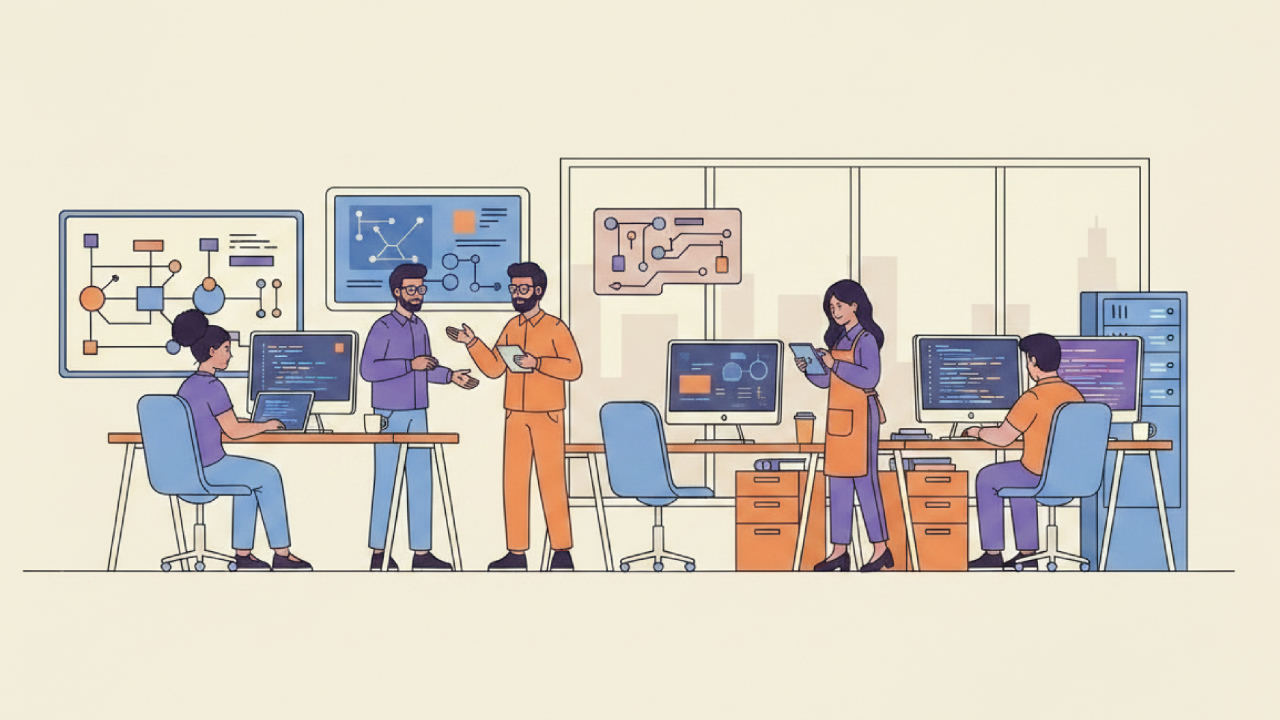
Digital & Tech
Digital and tech careers are perfect for curious, adaptable problem-solvers who love working with technology and new ideas. Whether you’re interested in coding, design, IT support, or digital innovation, this sector values creativity, teamwork, and a drive to keep learning.
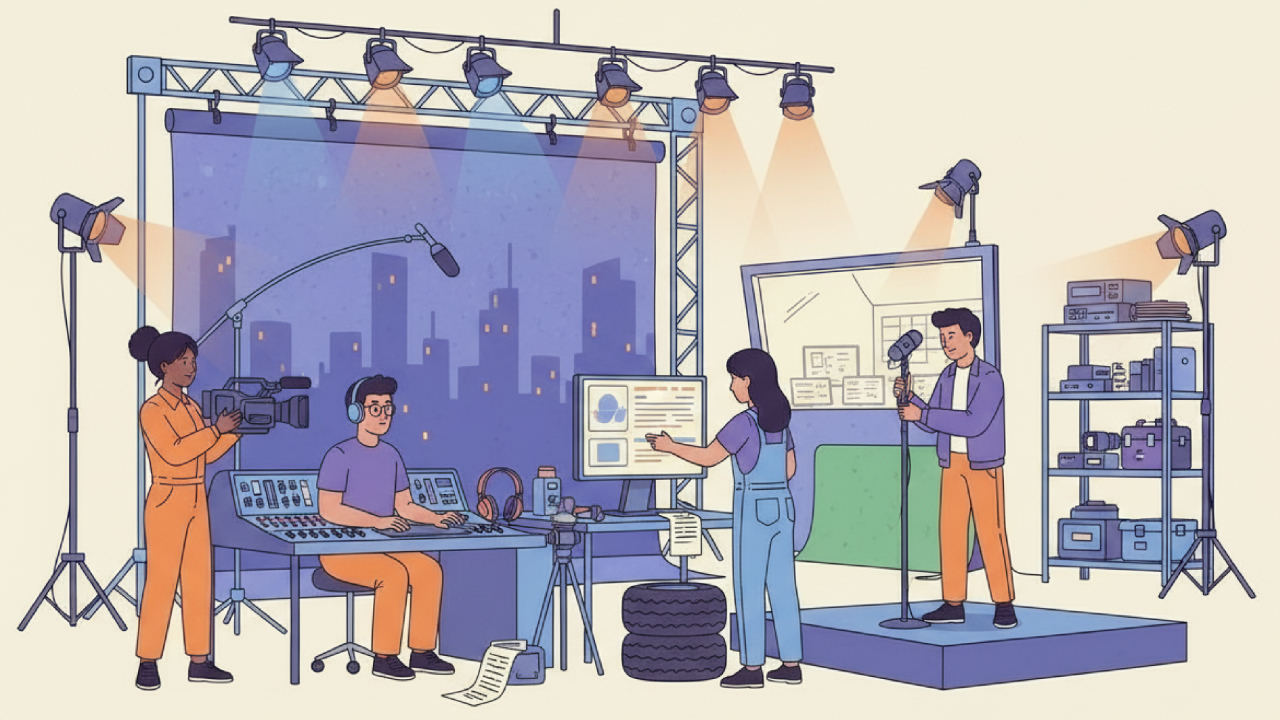
Entertainment & Media
Step into entertainment and media, where creativity and collaboration are celebrated. From production to digital content, this industry values real-world skills and diverse perspectives.
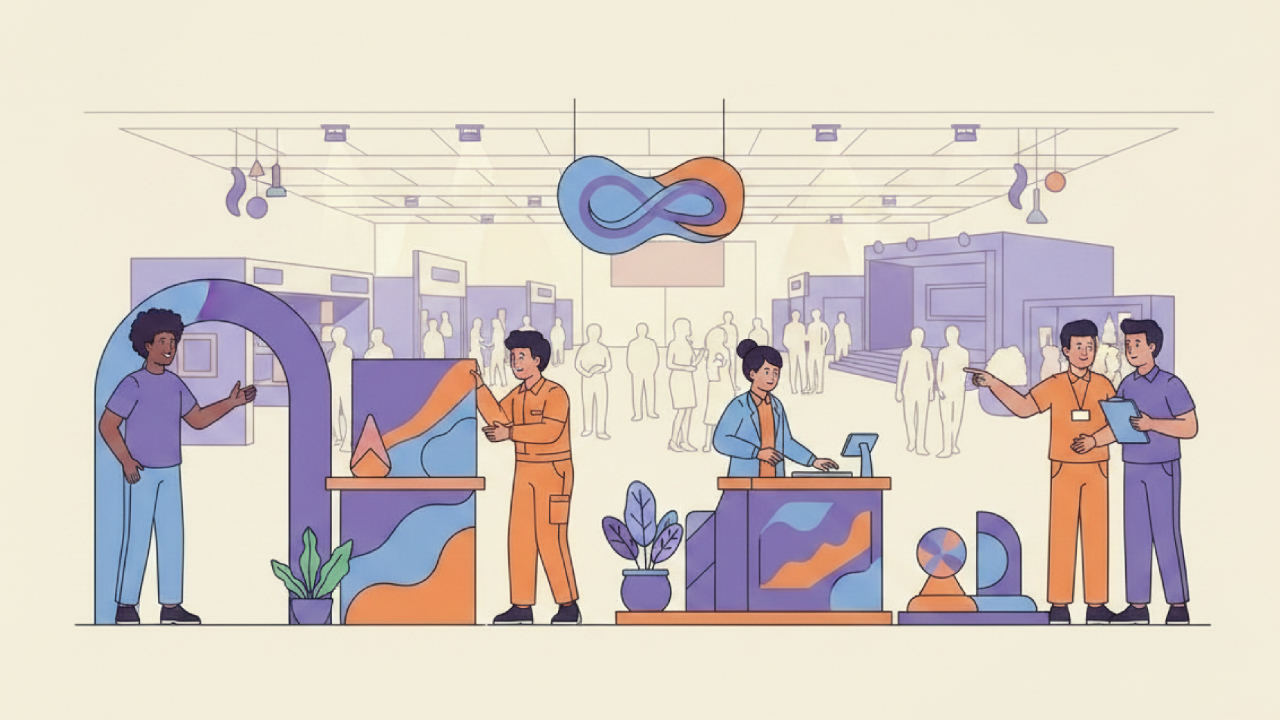
Exhibitions & Events
Create memorable experiences in exhibitions & events. This industry values organization, creativity, and people skills, with accessible roles supporting local celebrations.
Sports & Leisure
Get active in sports & leisure, where teamwork, motivation, and leadership are celebrated. Accessible roles range from coaching to management, all supporting local wellbeing.
Do you love cooking, experimenting with recipes, or baking? Cooking teaches you chemistry, creativity, precision, time management, and the joy of feeding people. Whether you're making a simple weekday dinner or a three-course meal, you're developing genuinely valuable skills.
- Experimenting with new recipes and cooking styles
- Baking bread or cakes from scratch
- Following cooking shows or food creators
- Cooking for others and getting compliments
- Learning about food science and techniques
- Growing ingredients or sourcing local, quality food
- Food photography and sharing your creations
- Meal planning and cooking for efficiency
Cooking and baking interest signals creativity, precision, time management, and generosity. You're learning chemistry (how ingredients interact), following (or creating) systems, and managing multiple things at once. You're also learning to care for people through feeding them. Cooking teaches you that small choices matter — the quality of an ingredient, the precise temperature, the timing — and that failure is part of learning. A burnt cake is feedback, not a disaster. You're also building confidence and self-sufficiency.
- Following recipes and understanding instructions
- Improvising and adapting recipes based on what you have
- Understanding ingredients and how they interact
- Learning techniques: chopping, searing, baking, emulsifying
- Timing multiple dishes to be ready at once
- Food safety and hygiene
- Developing your palate and taste preferences
- Learning about different cuisines and cooking traditions
- Creativity: You adapt recipes and create your own dishes
- Precision: Baking especially demands accuracy
- Time management: You coordinate multiple tasks
- Generosity: You feed and nourish others
- Resilience: You learn from failures and keep cooking
- Confidence: You develop trust in your abilities
- Care: You understand feeding people as an act of love
- Continuous learning: Cooking is endlessly learnable
- Professional kitchens and hospitality: Chefs and cooks run restaurants and catering
- Food development and testing: Scientists develop new food products
- Nutrition and health professions: Nutritionists guide healthy eating
- Food writing and media: Food writers and photographers share culinary culture
- Event catering and management: Caterers provide food for events
- Bakeries and patisseries: Bakers create bread and pastries
- Food entrepreneurship: People start food businesses and restaurants
- Hospitality and tourism: Hospitality professionals work in hotels and resorts
- Teaching and education: Cooking instructors teach culinary skills
Easy start: Choose one recipe you've always wanted to try. Make it this week. Don't aim for perfection; aim for learning. Eat what you made and notice what you'd do differently next time.
Medium: Cook a meal for others — friends, family, whoever. Plan a menu, shop for ingredients, and execute. Notice how it feels to feed people and get their feedback.
Stretch: Develop real skill in an area that interests you. This might be bread baking, vegetarian cooking, a particular cuisine, or pastry. Commit to making it regularly and pushing your technique. Share your food with others.
When we see cooking and baking interests, we're noting creativity, precision, time management, generosity, and the ability to learn from feedback. We're looking for evidence that you can follow systems, adapt creatively, and care about outcomes. These skills signal readiness for careers in hospitality, food development, nutrition, entrepreneurship, and any field requiring creativity combined with technical precision.
Cooking can be adapted for various abilities. If you have mobility limitations, ergonomic tools, accessible kitchen setup, and meal prep services exist. If you're blind or have low vision, audio descriptions and verbal guidance from others help; many blind people cook independently with adapted techniques. If you're deaf or hard of hearing, cooking is visual and tactile. If you have chronic pain or fatigue, meal prep and simplified cooking still count. If you're neurodivergent, the structured, sensory nature of cooking might be deeply satisfying. Many excellent chefs and food professionals have disabilities and openly work around them. Your body doesn't determine your ability to cook and feed yourself.
- Food science and nutrition (understanding food)
- Hospitality and restaurant management (working in food service)
- Entrepreneurship (starting a food business)
- Food writing and media (sharing about food)
- Agriculture and food production (where food comes from)
- Sustainability and local food systems
- Health and wellness (feeding yourself well)