Content Hub / Explore
Photography & Videography
Covers camera techniques, composition, lighting, editing, and visual storytelling through still and moving images. Builds a creative eye and technical skills that open doors in media, fashion, events, and freelance work.
Where this leads
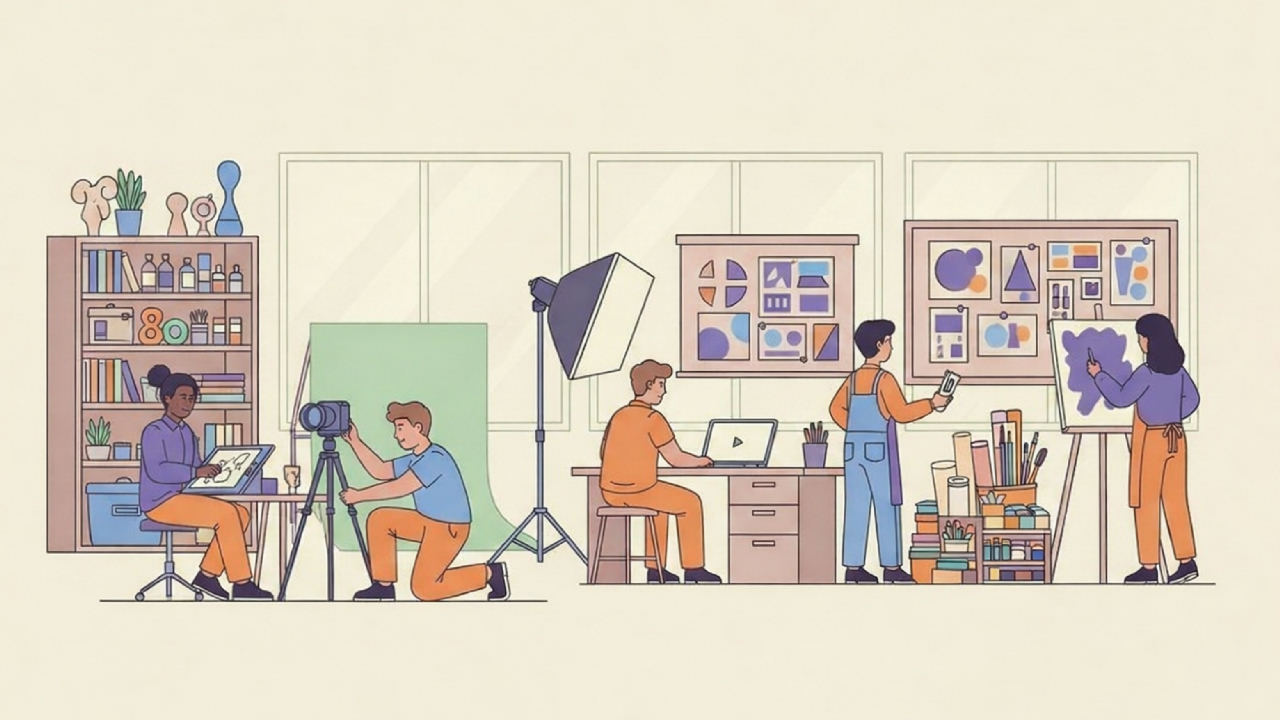
Creative Industries
Express your strengths in the creative industries—arts, design, media, and more. This sector champions fresh ideas, inclusivity, and authentic self-expression, with accessible roles for every talent.
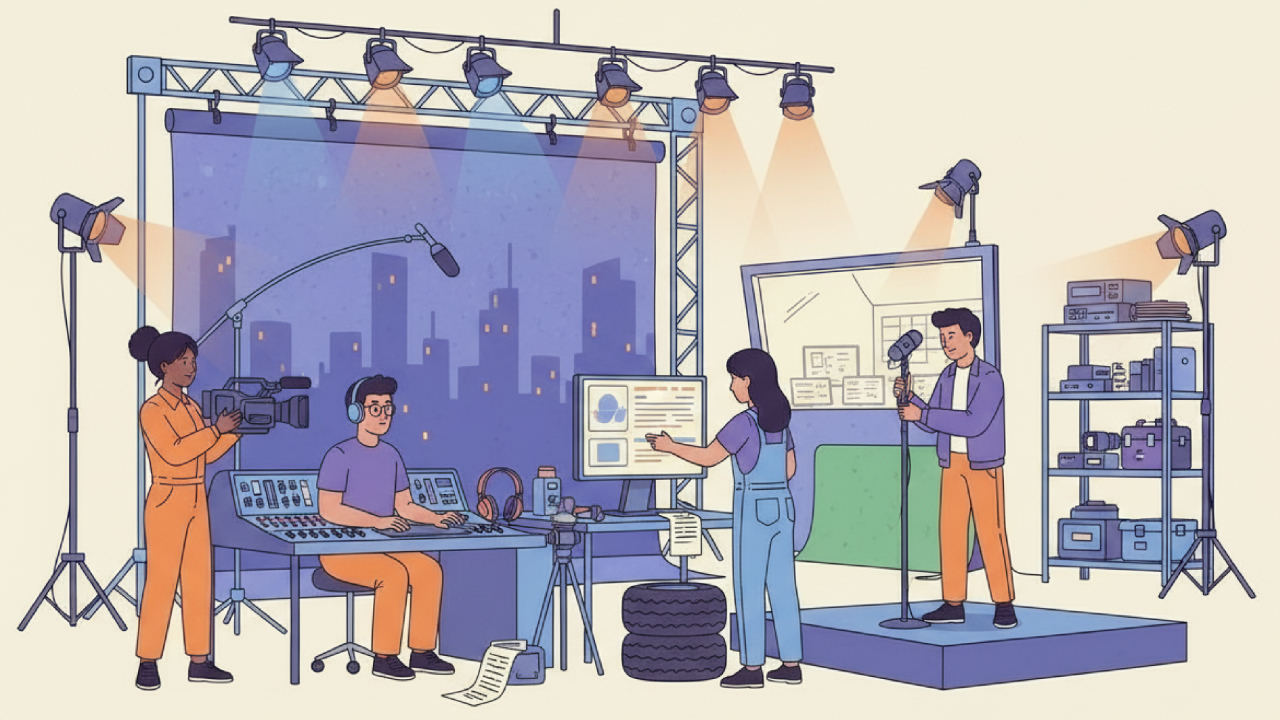
Entertainment & Media
Step into entertainment and media, where creativity and collaboration are celebrated. From production to digital content, this industry values real-world skills and diverse perspectives.
Fashion
Join the fashion industry, where creativity, attention to detail, and collaboration drive success. Discover accessible roles in design, retail, and production, all supporting local brands and trends.
Freelance
Build your freelance career with strengths-first support. Whether creative or technical, freelancing offers flexible, accessible opportunities to grow your skills and serve local clients.
Weddings & Events
Create memorable experiences in weddings & events. This industry values organization, creativity, and people skills, with accessible roles supporting local celebrations.
Photography and videography is about capturing moments, telling stories through images, and creating visual content that makes people feel something. It can be portrait photography, documentary filmmaking, social media content creation, or working in fashion, events, or advertising. It builds a creative eye, technical skill, and the ability to communicate without words.
This page shows what photography and videography looks like in real life, what strengths it can build, and a few low pressure ways to try it, even if you've never thought of yourself as a "creative person".
- Taking photos or videos on your phone, experimenting with angles and lighting.
- Following photographers or filmmakers on Instagram, TikTok, or YouTube.
- Creating content for social media, capturing memories, or documenting your life.
- School photography club, media projects, or GCSE/A Level Media studies.
- Editing photos or videos on your phone, using free apps or Canva.
- Being the person friends ask to take photos at events or outings.
- Noticing how light changes things, how colours work together, or how films make you feel.
Photography and videography is a brilliant signal for people who notice detail, think visually, and like experimenting with different ways to see the world. It's not just about having expensive gear; it's about composition, timing, storytelling, and the patience to try until you get it right.
Budi treats photography and videography as a clue for creative confidence, visual thinking, and technical skill. You're building an eye for composition, understanding how to set a mood, and learning tools that matter across media, fashion, advertising, and content creation.
- Observe and plan, scouting locations, thinking about light and composition.
- Frame and compose, using depth, leading lines, and space to draw the eye.
- Control technical settings, managing exposure, focus, colour, and depth of field.
- Direct and communicate, coaching subjects to feel comfortable and look natural.
- Edit and refine, colour grading, cropping, removing distractions, adding polish.
- Tell stories, sequencing images or clips to create mood and meaning.
- Visual thinking and composition, seeing the world in frames and planning shots.
- Attention to detail, noticing light, shadow, colour, and micro-expressions.
- Technical confidence, learning cameras, editing software, and problem-solving.
- Patience and persistence, retaking shots, trying angles, and refining in post.
- Communication and empathy, making people feel comfortable and capturing authenticity.
- Creative problem-solving, working with limited light, equipment, or locations.
- Commercial and advertising
- Product photography, lifestyle shoots, advertising campaigns, branding.
- Example roles: junior photographer, content creator, visual assistant, retoucher.
- Events and coverage
- Weddings, corporate events, sports, news, documentary.
- Example roles: freelance photographer, event videographer, news videographer, assistant.
- Social media and content creation
- TikTok, Instagram, YouTube, blog content, influencer support.
- Example roles: content creator, social media videographer, video editor, visual assistant.
- Media and film
- TV production, film, music videos, documentaries, podcasts.
- Example roles: camera assistant, focus puller, video editor, production assistant.
- Fashion and design
- Fashion shoots, lookbooks, styling, visual merchandising.
- Example roles: fashion photographer assistant, visual merchandiser, styling assistant.
Easy start, 10 to 15 mins. Using your phone camera, take 10 photos of the same object from different angles, distances, and lighting. Which one tells the best story? What made it work?
Medium, 30 to 45 mins. Pick a short 30-second story (a friend making coffee, a moment in nature, a task in your home). Shoot it as a video sequence—wide shot, close-up, detail—then edit it on your phone with a free app. Add one piece of music or text.
Stretch, 1 to 2 hours. Do a mini portrait shoot with a friend or family member. Plan the location, lighting, and mood. Take at least 50 frames, then edit 5-10 of your best shots, adjusting colour and clarity.
Photography and videography can act as a helpful signal for strengths like visual thinking, attention to detail, technical confidence, patience, and creative problem-solving. Budi combines this with other signals to suggest industries, role types, and next steps. It's not here to box anyone in; it's here to open up options they might not have seen yet.
You don't need expensive equipment to start. Smartphones have brilliant cameras, and free software like Snapseed, Canva, or DaVinci Resolve Lite can do professional work. If holding a camera is physically challenging, consider tripods, stabilisers, or focusing on editing and curation instead. If you're colour-blind or have low vision, many cameras and software have accessibility settings; ask about alternatives and don't hesitate to ask for support in post-production.
Different approaches work here—some people plan every shot, others improvise and experiment. Both create brilliant work.
- Media (Film/TV/Content Creation), storytelling, editing, visual narrative.
- Design & Technology, visual composition, creative problem-solving, aesthetics.
- Drama & Performing Arts, directing, creating mood, working with people.
- Marketing & Advertising, visual communication, brand building, audience engagement.
- Journalism & Publishing, documenting stories, research, truth-telling.