Content Hub / Explore
Social Media & Trends
Always on top of what’s trending? Understanding social media platforms, algorithms, and what makes content go viral is a genuinely valuable skill. It connects to careers in marketing, PR, journalism, brand management, and digital strategy.
Where this leads
Digital & Tech
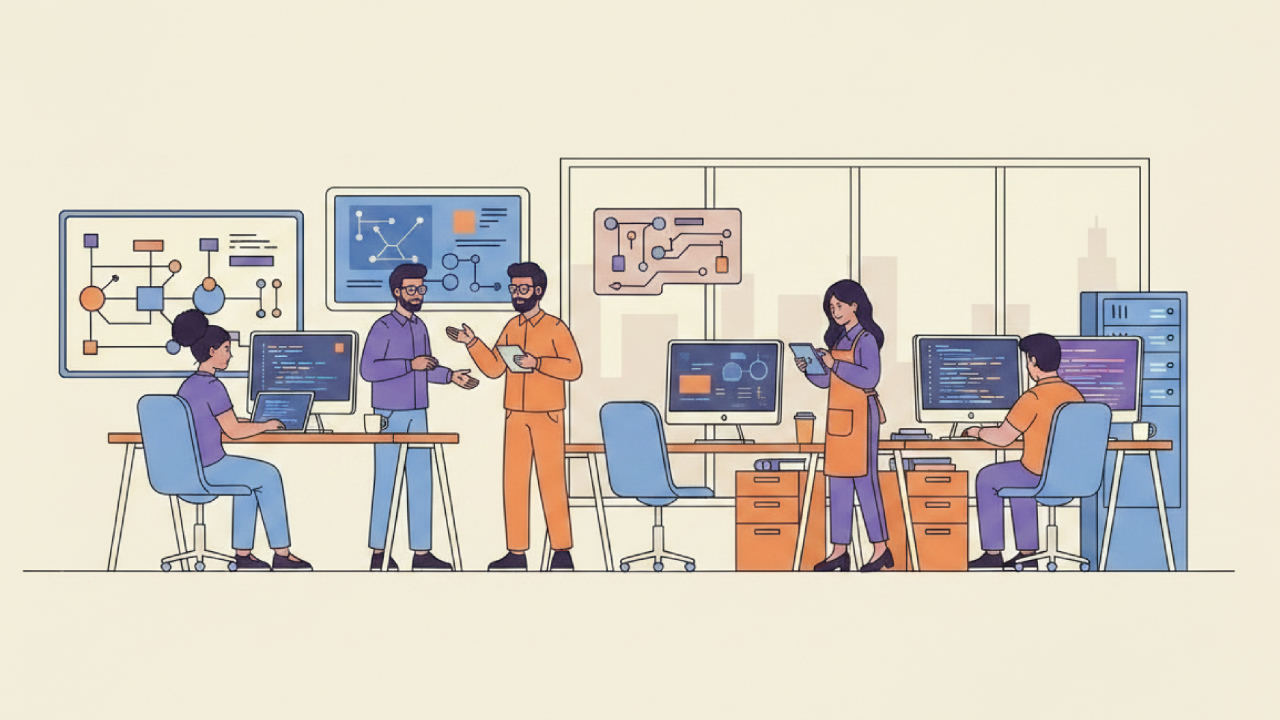
Digital and tech careers are perfect for curious, adaptable problem-solvers who love working with technology and new ideas. Whether you’re interested in coding, design, IT support, or digital innovation, this sector values creativity, teamwork, and a drive to keep learning.
Entertainment & Media
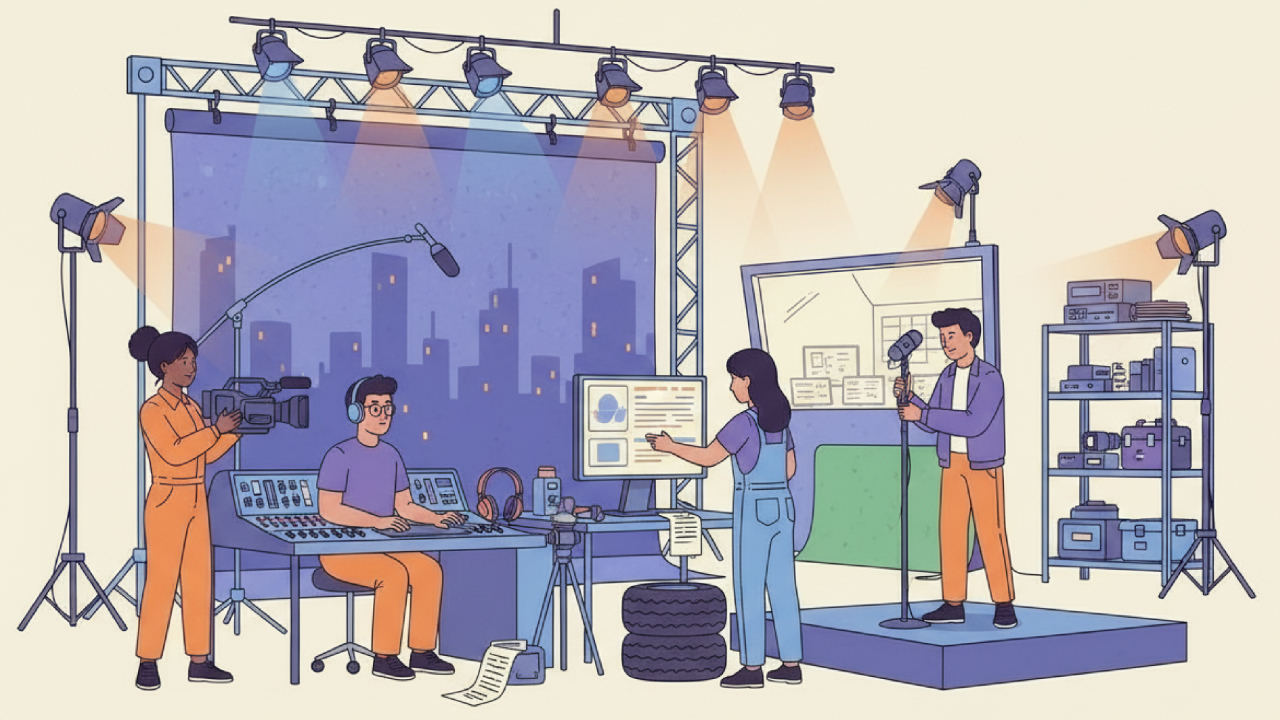
Step into entertainment and media, where creativity and collaboration are celebrated. From production to digital content, this industry values real-world skills and diverse perspectives.
Freelance
Build your freelance career with strengths-first support. Whether creative or technical, freelancing offers flexible, accessible opportunities to grow your skills and serve local clients.
PR & Communications
Shape stories, build brands, and connect with audiences. PR and communications offers creative, fast-paced careers for young people who love writing, strategy, and making an impact through words.
Publishing
Bring stories and ideas to life in publishing, where creativity meets detail. Explore roles in editorial, design, marketing, and production, with clear entry routes for young people.
Recruitment & HR
Connect people with their perfect roles and help organisations thrive. Recruitment and HR offers fast-paced, people-centred careers with clear progression from entry-level to leadership.
Retail & Consumer Goods
Build your career in retail & consumer goods, where people skills and adaptability shine. Accessible opportunities support local businesses and drive community connections.
Are you always the first to know what's trending? Do you understand what makes a post go viral or why certain memes resonate? Social media literacy is more than just scrolling — it's understanding algorithms, cultural moments, audience psychology, and how information spreads. In a digital-first world, this is a genuine and valuable skill set.
- Following trends across TikTok, Instagram, Twitter, and other platforms
- Understanding why certain content performs well
- Creating or sharing content that resonates with others
- Analysing how different audiences behave on different platforms
- Keeping up with memes and cultural moments
- Understanding the psychology behind why people engage with content
- Noticing how brands and creators build audiences
- Predicting what might trend next
Social media and trends understanding is a strength signal because it demonstrates cultural awareness, audience psychology, and the ability to predict and shape cultural moments. You're learning how information spreads, how communities form around shared interests, and what motivates engagement. You understand that social media isn't neutral — it's shaped by algorithms, incentives, and human psychology. This combination of technical, psychological, and cultural knowledge is invaluable in marketing, media, communications, and any field that needs to reach and influence audiences.
- Identifying trends early and understanding why they resonate
- Understanding different platforms and their unique audiences and norms
- Recognising how algorithms shape what people see
- Analysing what makes content engaging (hooks, pacing, relatability)
- Understanding memes as cultural communication
- Noticing demographic patterns (age groups, interests, platforms where people congregate)
- Predicting how content might be received in different communities
- Understanding how misinformation spreads alongside legitimate content
- Cultural awareness: You understand contemporary culture and what matters to different communities
- Audience psychology: You know what moves people to engage, share, and feel seen
- Communication: You understand different ways information is communicated
- Systems thinking: You see how algorithms and incentives shape behaviour
- Analytical thinking: You look beneath surface trends to understand why they matter
- Adaptability: You navigate quickly changing information landscapes
- Discernment: You develop critical thinking about what's true, what's hype, and what matters
- Marketing and brand management: Marketers use social media to reach audiences and shape brand perception
- Public relations and communications: PR professionals manage reputation and shape public conversation
- Journalism and media: Journalists now work across platforms and understand how stories spread
- Content creation and influencing: Content creators build audiences and careers on social platforms
- Advertising and creative agencies: Agencies develop campaigns that work across social channels
- Political communications and campaigns: Campaign teams use social media to reach voters and shape narratives
- Community management: Companies hire community managers to build and moderate engaged audiences
- Trend forecasting and analysis: Researchers and consultants analyse trends to predict consumer behaviour
Easy start: Choose one platform (TikTok, Instagram, or Twitter) and spend a week really observing. What types of content get the most engagement? What hooks pull you in? Which creators have the most loyal communities and why? Start noticing patterns.
Medium: Create an account and deliberately post content, experimenting with timing, format, and messaging. Notice what performs well and what doesn't. Join communities around topics you care about and engage meaningfully with other creators' content.
Stretch: Deep-dive into one cultural moment or trend. Research how it started, how it spread across platforms, and what it reveals about society or values. Write an analysis or create a presentation about it. This develops your ability to see trends as cultural indicators, not just entertainment.
When we see strong social media and trends awareness, we're noting cultural literacy, audience psychology, and understanding of how information and influence work in the digital age. We're looking for evidence that you can read cultural moments, understand what resonates, and communicate effectively to different audiences. These skills signal readiness for careers in marketing, communications, PR, journalism, content strategy, and any field requiring understanding of contemporary culture and digital communication.
Social media literacy is accessible to people with various disabilities. If you're blind or have low vision, screen readers work with most social media platforms, though image descriptions are spotty — learning to write good alt text is part of becoming a more responsible content creator. If you're deaf or hard of hearing, video captions are essential, and the video-first platforms like TikTok actually work well for you if creators use captions. If you have mobility limitations, social media engagement is entirely possible — your insights might be particularly valuable around accessibility in digital spaces. If you're neurodivergent, your unique perspective on trends and culture might give you an edge in understanding niche communities. Some of the most influential content creators and social media strategists are disabled or neurodivergent — your perspective isn't a limitation; it might be your superpower.
- Marketing and advertising (reaching audiences persuasively)
- Journalism and reporting (understanding how information spreads)
- Content creation and vlogging (creating content for audiences)
- Psychology and human behaviour (understanding what motivates people)
- Communications and PR (shaping public perception)
- Data analysis (understanding patterns in large datasets)
- Business and entrepreneurship (building brands and audiences)