Content Hub / Explore
Sustainability & Eco Living
Passionate about the planet, climate change, or living more sustainably? This interest connects to a fast-growing world of careers in environmental science, green energy, sustainable fashion, policy, conservation, and corporate responsibility.
Where this leads
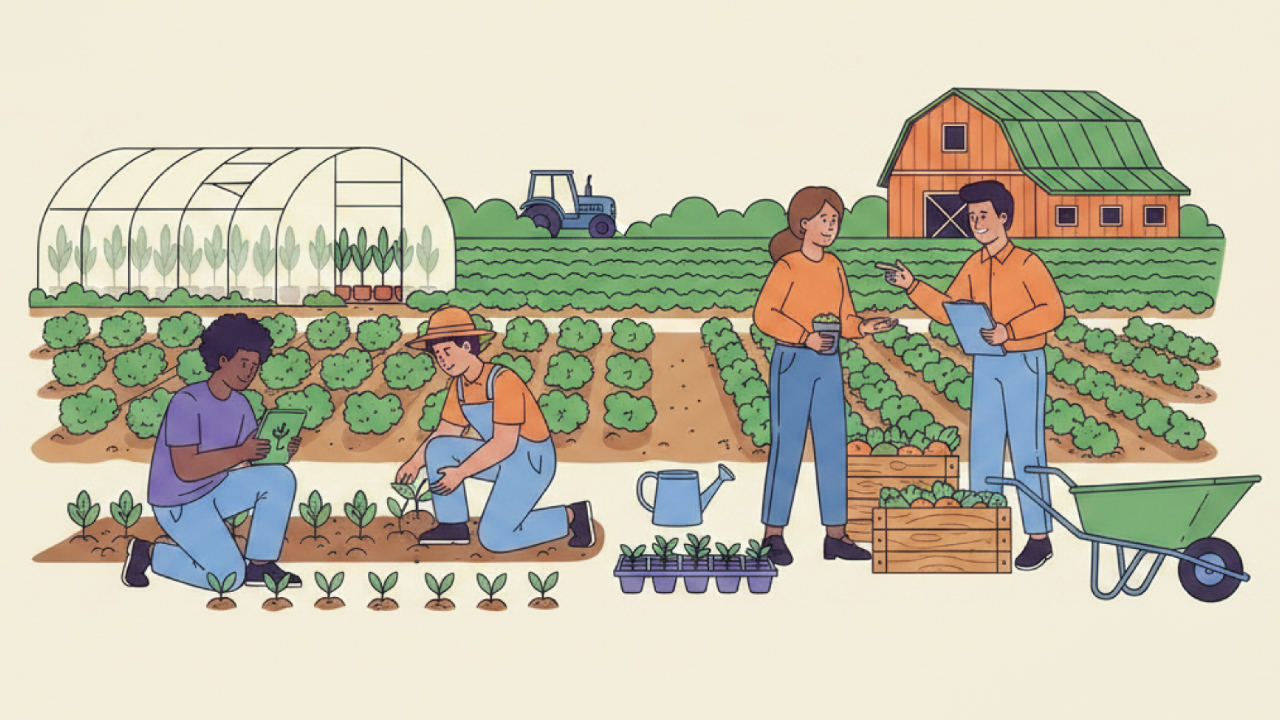
Agriculture
Explore opportunities in agriculture, from hands-on farming to agri-tech. This industry welcomes all backgrounds, focusing on sustainable growth and supporting local food systems across Hertfordshire, Essex, and Suffolk.
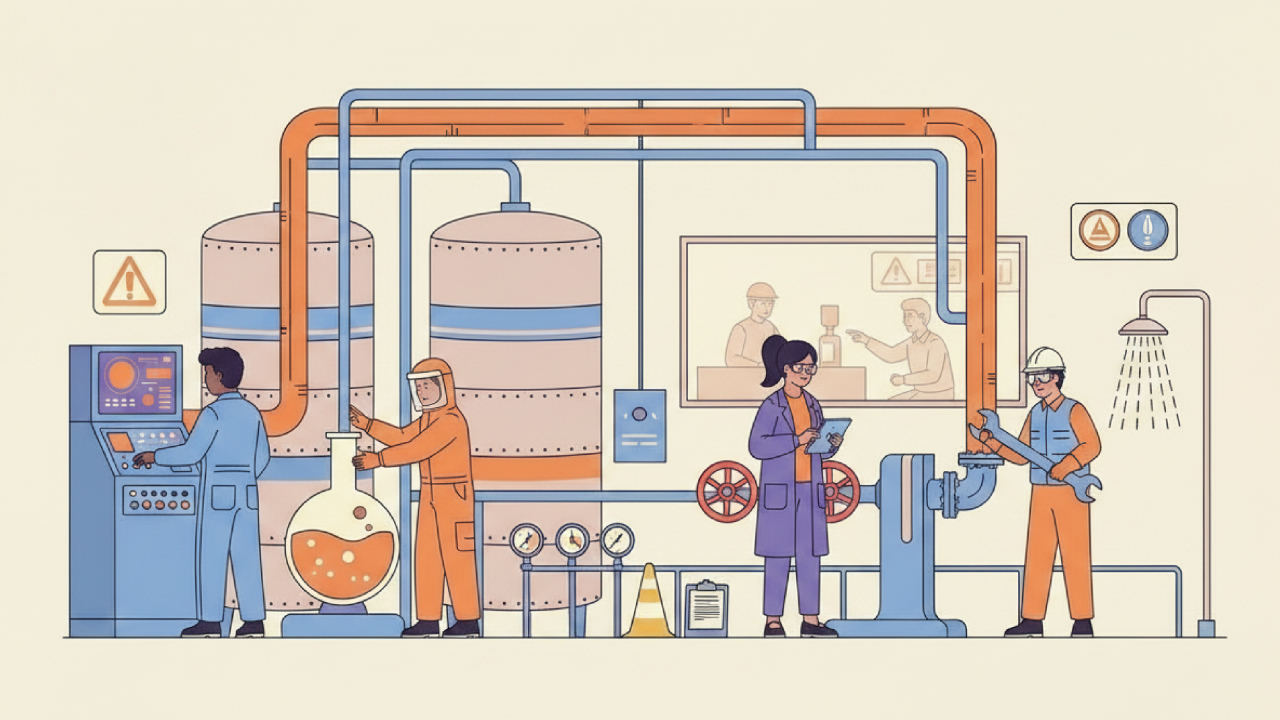
Chemicals
Explore the chemicals industry, supporting everything from manufacturing to sustainability. Strengths like attention to detail and teamwork are highly valued, with roles available for various backgrounds.
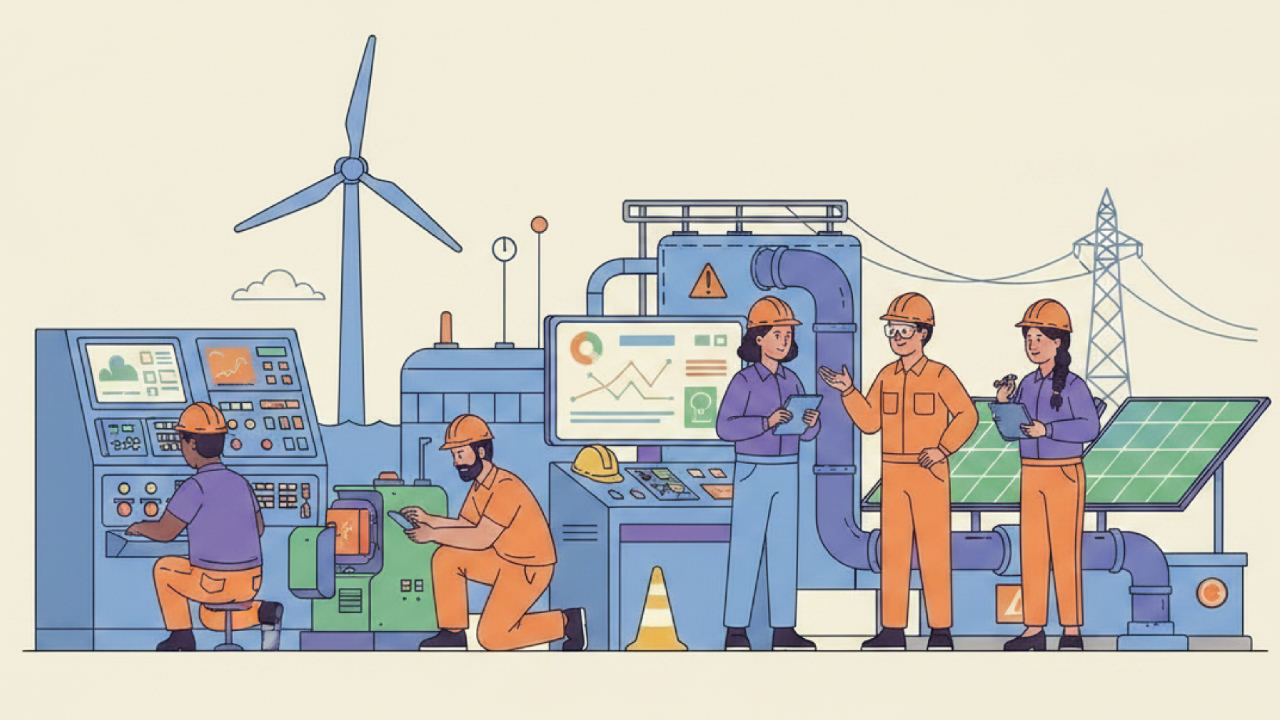
Energy
Join the energy sector, powering change through innovation and sustainability. Opportunities exist for hands-on and technical roles, all contributing to local and national progress.
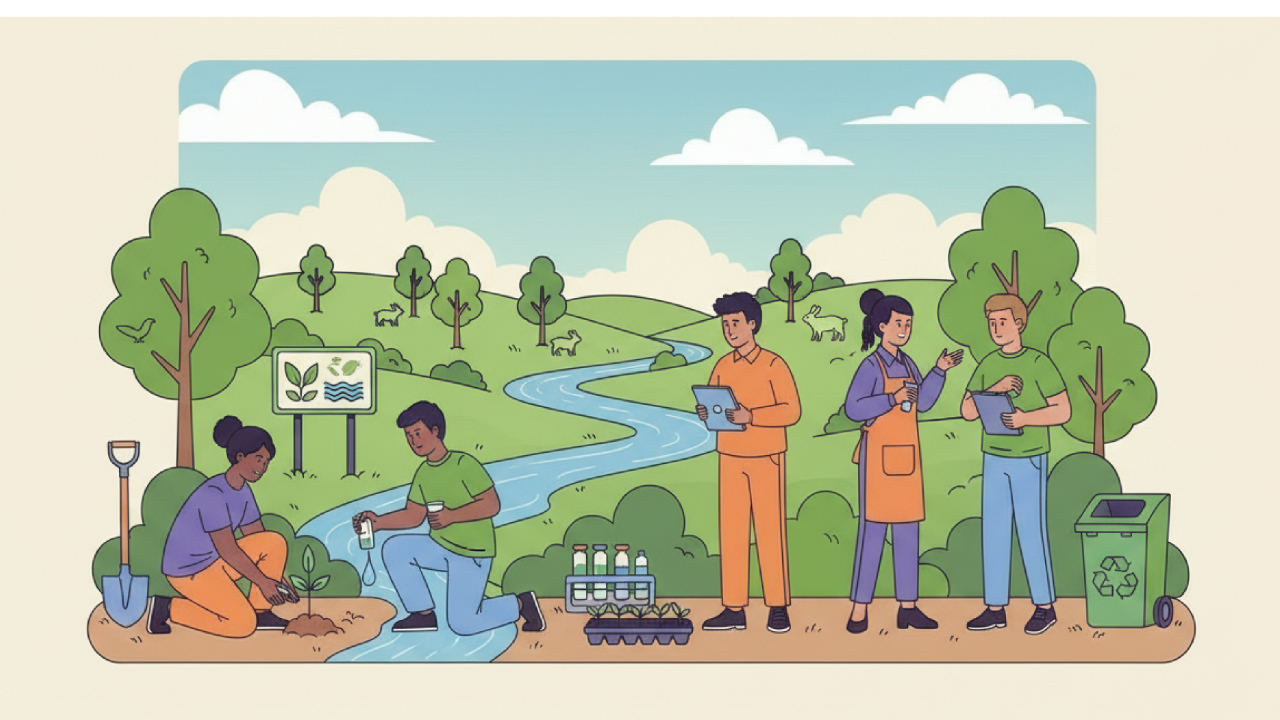
Environmental Services
Make a local impact in environmental services. Roles focus on sustainability, conservation, and community health—ideal for those passionate about protecting our planet and supporting local initiatives.
Non-Profit Organisations
Make a difference in non-profit organisations, where passion and purpose lead the way. Accessible roles focus on community support, advocacy, and real local impact.
Utilities
Join the utilities sector, where reliability and practical skills keep communities running smoothly. Accessible opportunities support local infrastructure and essential services.
Whether you're enthusiastic about classic cars, interested in the mechanics of how engines work, or fascinated by motorsport, cars and motorsport represent engineering, performance, and the thrill of speed. It's about understanding mechanical systems and pushing them to their limits.
- Learning about car mechanics and how engines work
- Maintaining and modifying your own vehicle
- Following motorsports (Formula 1, rallying, drag racing)
- Attending car shows, races, or track events
- Reading about cars and automotive engineering
- Building scale models or playing racing games
- Participating in car clubs or online communities
- Experimenting with vehicle modifications or customisation
Cars and motorsport interest is a strength signal because it demonstrates understanding of mechanical systems, problem-solving, risk management, and the pursuit of performance and precision. Whether you're interested in the engineering (how engines work, aerodynamics, materials science) or the human element (driving skill, reaction time, courage), you're engaging with complex systems. Motorsport especially teaches you the compounding effect of small optimisations — tenths of a second matter, and they're gained through countless tiny improvements. Car enthusiasm also often involves hands-on maintenance and troubleshooting, which builds practical engineering skills.
- Understanding how engines, transmissions, and suspension work
- Maintaining vehicles and diagnosing mechanical problems
- Modifying and upgrading cars for performance or aesthetics
- Understanding driving dynamics and how to handle a vehicle
- Learning about different vehicle types and their characteristics
- Keeping detailed records of maintenance and modifications
- Problem-solving mechanical issues creatively
- Understanding safety systems and risk management
- Systems thinking: You understand how complex mechanical systems work
- Problem-solving: You diagnose and fix mechanical issues
- Precision: You understand that small tolerances matter
- Persistence: You work on projects over long periods
- Risk awareness: You manage performance safely
- Technical knowledge: You become knowledgeable about vehicles
- Hands-on skill: You develop practical mechanical capability
- Optimisation mindset: You understand how to improve incrementally
- Automotive engineering: Engineers design and develop vehicles
- Motorsport and racing: Drivers and engineers compete at professional levels
- Vehicle maintenance and repair: Mechanics service and repair vehicles
- Vehicle customisation and modification: Specialists create custom vehicles
- Automotive manufacturing: Technicians work on production lines
- Automotive design: Designers create the look and feel of vehicles
- Vehicle testing and evaluation: Testers evaluate safety and performance
- Automotive education: Instructors teach mechanics and automotive technology
- Vehicle restoration: Specialists restore classic and historic vehicles
- Performance tuning: Specialists optimise vehicles for performance
Easy start: Visit a car show or motor racing event. Observe the variety of vehicles and listen to enthusiasts talk about their passion. Watch a motorsport event — the speed and precision are thrilling.
Medium: Learn about your own vehicle's mechanics. Take a basic car maintenance course or follow YouTube tutorials. Change your own oil, learn about tyre pressures, understand your vehicle's systems. Join a car club or online community of enthusiasts.
Stretch: Take a track day experience or advanced driving course. This teaches you how vehicles actually handle at the limit. Or, if you're interested in engineering, pursue automotive engineering study or certification. Work on a significant car project — restoration, modification, or building something from components.
When we see cars and motorsport interests, we're noting understanding of mechanical systems, problem-solving, risk management, and the pursuit of precision and performance. We're looking for evidence that you can understand complex systems, troubleshoot problems, and work iteratively towards improvement. These skills signal readiness for careers in engineering, automotive technology, manufacturing, motorsport, and any field requiring systems thinking and hands-on problem-solving.
Cars and motorsport can be adapted for various disabilities. If you use a wheelchair, hand controls and adapted vehicles exist. If you have limited strength or mobility, different steering wheels, pedal modifications, and seat supports are available. If you're blind or have low vision, car mechanics and racing are primarily about understanding systems and hands-on work — many aspects are tactile and auditory. If you're deaf or hard of hearing, cars are largely visual anyway; deaf mechanics and engineers exist. If you have ADHD, the focused, problem-solving nature of vehicle work can be deeply engaging. If you're neurodivergent, the logical, systems-based nature of cars and engines often resonates. Many brilliant automotive professionals have disabilities. Your way of engaging with vehicles is valid and valuable.
- Engineering and physics (understanding how systems work)
- Mechanics and repair (hands-on problem-solving)
- Design and aesthetics (how vehicles look and feel)
- Competition and sports (the competitive aspect of motorsport)
- Technology and computing (vehicle electronics and software)
- Entrepreneurship (starting an automotive business)
- Safety and risk management (understanding hazards and mitigation)