Content Hub / Explore
Team Sports
Whether it’s football, rugby, netball, cricket, or basketball — team sports teach you teamwork, communication, resilience, and leadership. These are exactly the skills employers across every industry are looking for.
Where this leads
Education
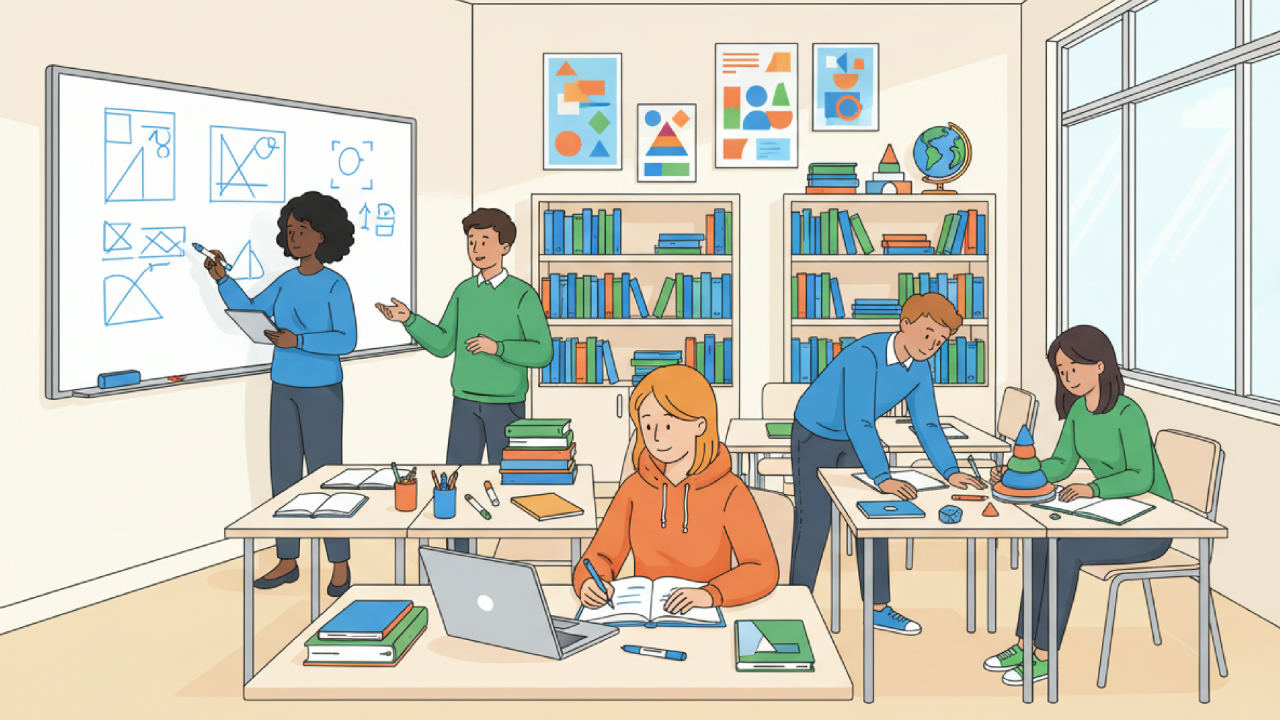
Shape the future in education, supporting learners of all ages. Whether you’re organized, empathetic, or a great communicator, there’s a place for your strengths in schools, training, and community learning.
Emergency Services
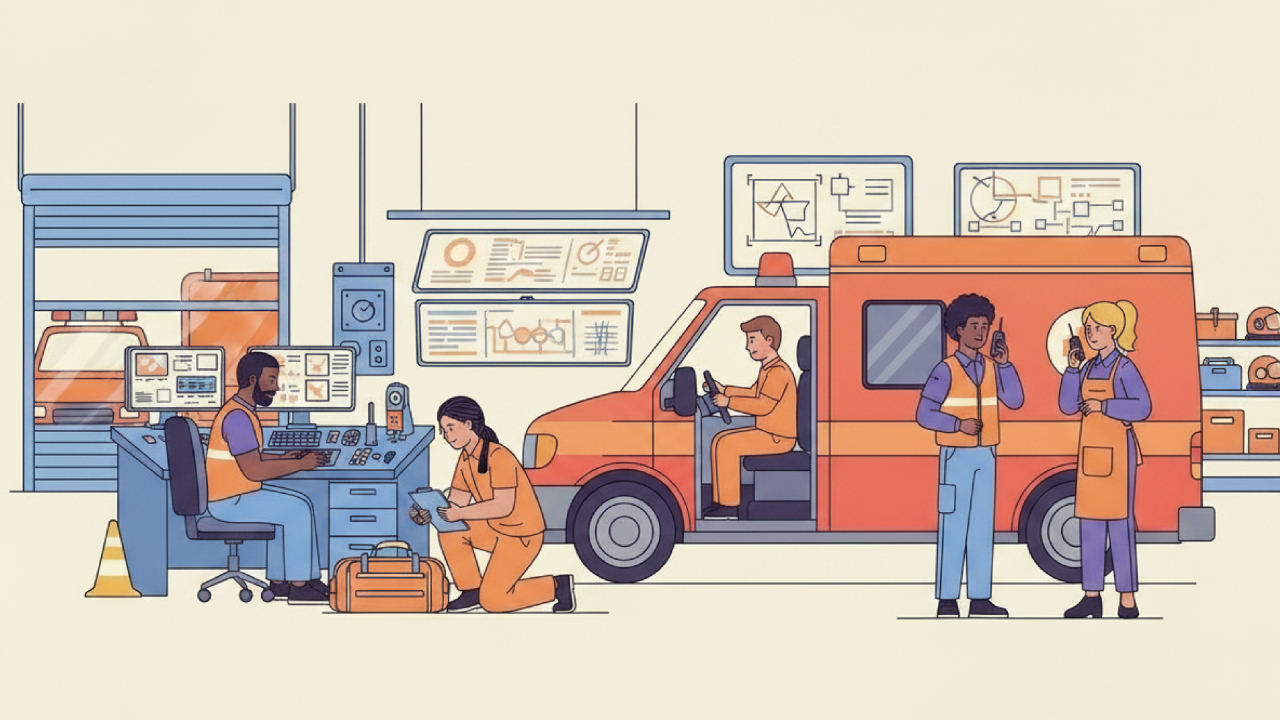
Serve your community in emergency services, where resilience, teamwork, and empathy are essential. Accessible entry points offer opportunities to help others and build valuable life skills.
Health & Wellness
Support wellbeing in health & wellness roles. This sector values empathy, communication, and practical skills, with accessible pathways for all backgrounds to foster local health.
Sports & Leisure
Get active in sports & leisure, where teamwork, motivation, and leadership are celebrated. Accessible roles range from coaching to management, all supporting local wellbeing.
Team sports—football, rugby, netball, cricket, basketball—build collaboration, communication, resilience, and leadership in a high-energy, supportive environment. They teach you to depend on others, celebrate together, and bounce back from setbacks. These skills transfer directly to every workplace.
This page shows what team sports looks like in real life, what strengths it can build, and a few low pressure ways to try it, even if you've never thought of yourself as an "athlete".
- Playing team sports at school, in a club, or casually with friends.
- Following sports teams, enjoying the community and competition.
- Being part of a team—even in non-sports contexts like school groups or clubs.
- Enjoying physical challenge, competition, and supporting teammates.
- Studying PE, playing for school, or planning to join a club.
- Watching matches, understanding tactics, analysing team performance.
- Noticing your role on a team, what you're good at, how you contribute.
Team sports is a brilliant signal for people who thrive with others, want to improve through practice, and understand that success depends on everyone playing their part. It's not just about winning; it's about the discipline to train, the trust to rely on teammates, and the resilience to handle defeat without losing confidence.
Budi treats team sports as a clue for teamwork, communication, resilience, leadership, and physical discipline. You're building skills in reading teammates, adapting to changing situations, managing emotions under pressure, and the confidence that comes from physical capability.
- Understand your role and position, how you fit into team tactics and strategy.
- Communicate constantly, calling plays, encouraging teammates, coordinating movement.
- Train and improve, practising skills repeatedly, fitness, working on weaknesses.
- Read the game, anticipating opponents' moves, responding tactically, making split decisions.
- Work together seamlessly, passing, supporting, trusting teammates completely.
- Manage emotions and pressure, staying focused when losing, handling setbacks, celebrating success.
- Teamwork and communication, coordinating complex activities, depending on others, clarity.
- Physical resilience and fitness, building strength and endurance, managing your body.
- Leadership and responsibility, motivating teammates, stepping up when needed, setting standards.
- Emotional intelligence, reading teammates and opponents, building relationships, managing conflict.
- Strategic thinking and adaptability, understanding tactics, responding to changes, problem-solving.
- Perseverance and resilience, training through fatigue, bouncing back from losses, not giving up.
- Professional sports
- Professional leagues, semi-professional teams, competitive sports at various levels.
- Example roles: professional player, contract player, development player.
- Coaching and sports development
- School sports, club coaching, youth development, elite coaching.
- Example roles: coach, assistant coach, sports officer, youth leader.
- Sports management and administration
- Clubs, leagues, facilities, event management.
- Example roles: club administrator, events coordinator, facilities manager.
- Sports science and support
- Sports medicine, physiotherapy, strength and conditioning, sports psychology.
- Example roles: sports scientist assistant, physiotherapy assistant, strength coach assistant.
- Community and recreational sports
- Local clubs, community leagues, inclusive sports programmes.
- Example roles: volunteer coach, team organiser, community sports coordinator.
Easy start, 10 to 15 mins. Join or watch a casual game of your chosen sport. Notice: How do people communicate? What tactics are used? What's your role if you played? What surprised you about how the game was played?
Medium, 30 to 45 mins. Join a team or club training session for a sport that interests you. Participate actively in warm-up, drills, and practice play. Notice what you're good at, what's challenging, how the coach teaches, and how teammates support each other.
Stretch, 3 to 4 hours. Play a full match or competitive game. Experience the full cycle: warm-up, tactics briefing, full match, dealing with emotions (success, frustration, fatigue), team debriefing. Notice: What was hardest? Most satisfying? Would you want to do this regularly?
Team sports can act as a helpful signal for strengths like teamwork, communication, physical resilience, leadership, emotional intelligence, strategic thinking, and perseverance. Budi combines this with other signals to suggest industries, role types, and next steps. It's not here to box anyone in; it's here to open up options they might not have seen yet.
Team sports are accessible in many forms. If you can't play traditional sports, adaptive sports leagues, wheelchair sports, visual impairment sports, deaf sports, and inclusive clubs exist and are thriving. If you have physical limitations, different positions exist with different physical demands. If you have mental health challenges, team support and structure can be protective and healing. If you're neurodivergent, the clear rules, structured practice, and focused communication of sports can suit you well. If you're LGBTQ+, trans, or from a minority background, inclusive clubs and teams exist and are actively welcoming.
Different roles work in team sports—goalkeepers, defenders, midfielders, attackers all need different skills. And off-the-field roles (coaching, management, support) are equally valuable and provide team experience.
- Physical Education & Fitness, training, fitness development, sports science.
- Leadership & Teamwork, developing as a leader, understanding group dynamics.
- Psychology & Sociology, understanding team dynamics, motivation, group behaviour.
- Business & Enterprise, managing clubs, sports events, understanding sports business.
- Volunteering & Community Work, leading community teams, inclusive sports initiatives.