Content Hub / Explore
Environmental Studies & Sustainability
Explores climate change, ecosystems, conservation, and sustainable living. Builds scientific, analytical, and problem-solving skills for a world that urgently needs people working in renewable energy, conservation, policy, and green technology.
Where this leads
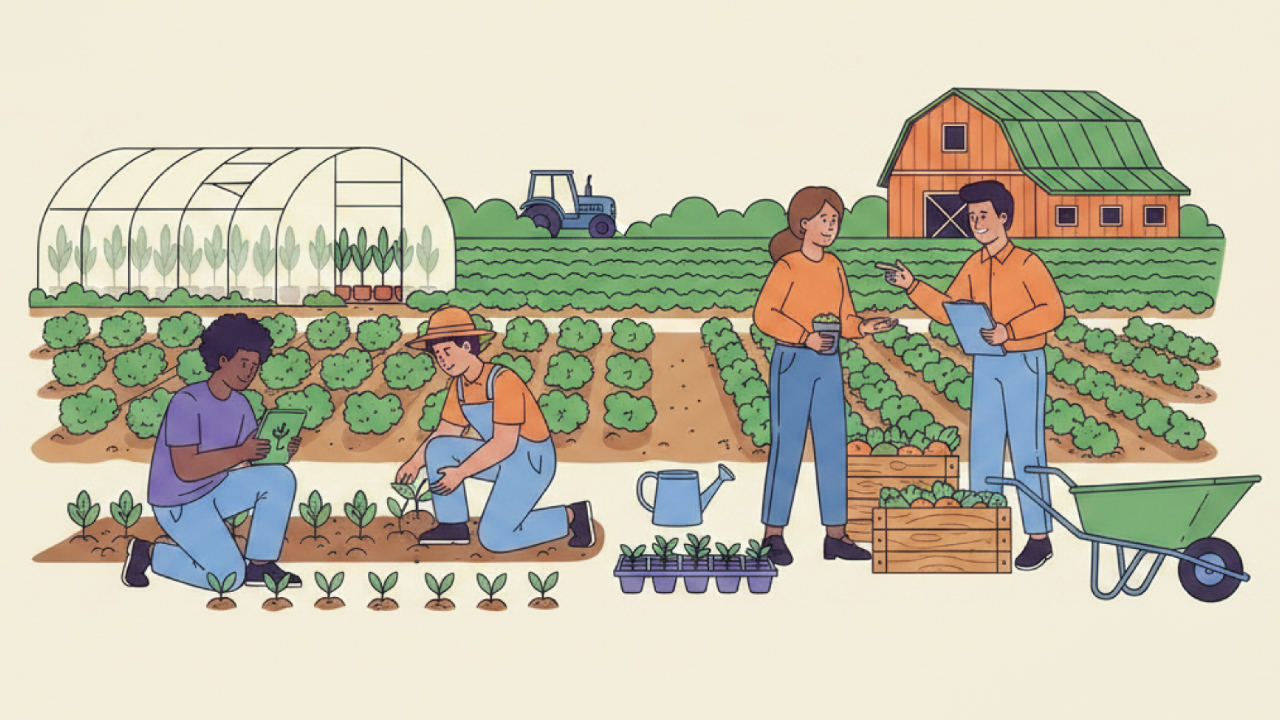
Agriculture
Explore opportunities in agriculture, from hands-on farming to agri-tech. This industry welcomes all backgrounds, focusing on sustainable growth and supporting local food systems across Hertfordshire, Essex, and Suffolk.
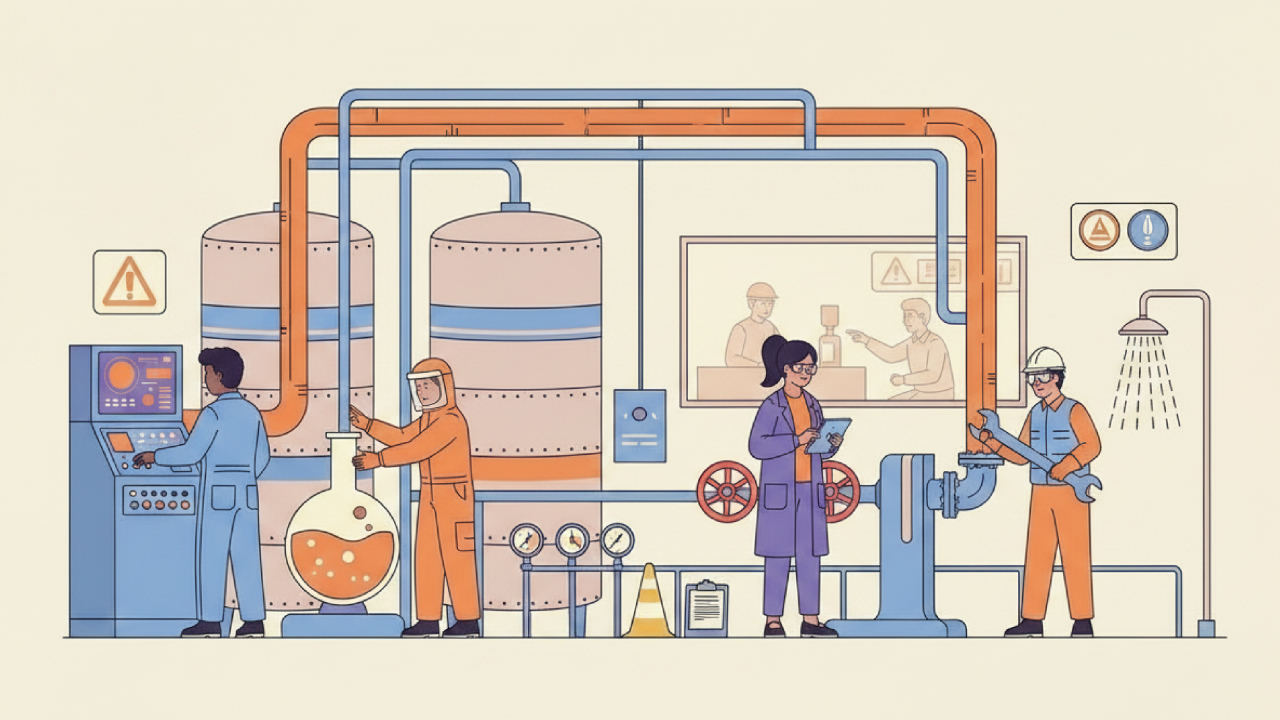
Chemicals
Explore the chemicals industry, supporting everything from manufacturing to sustainability. Strengths like attention to detail and teamwork are highly valued, with roles available for various backgrounds.

Education
Shape the future in education, supporting learners of all ages. Whether you’re organized, empathetic, or a great communicator, there’s a place for your strengths in schools, training, and community learning.
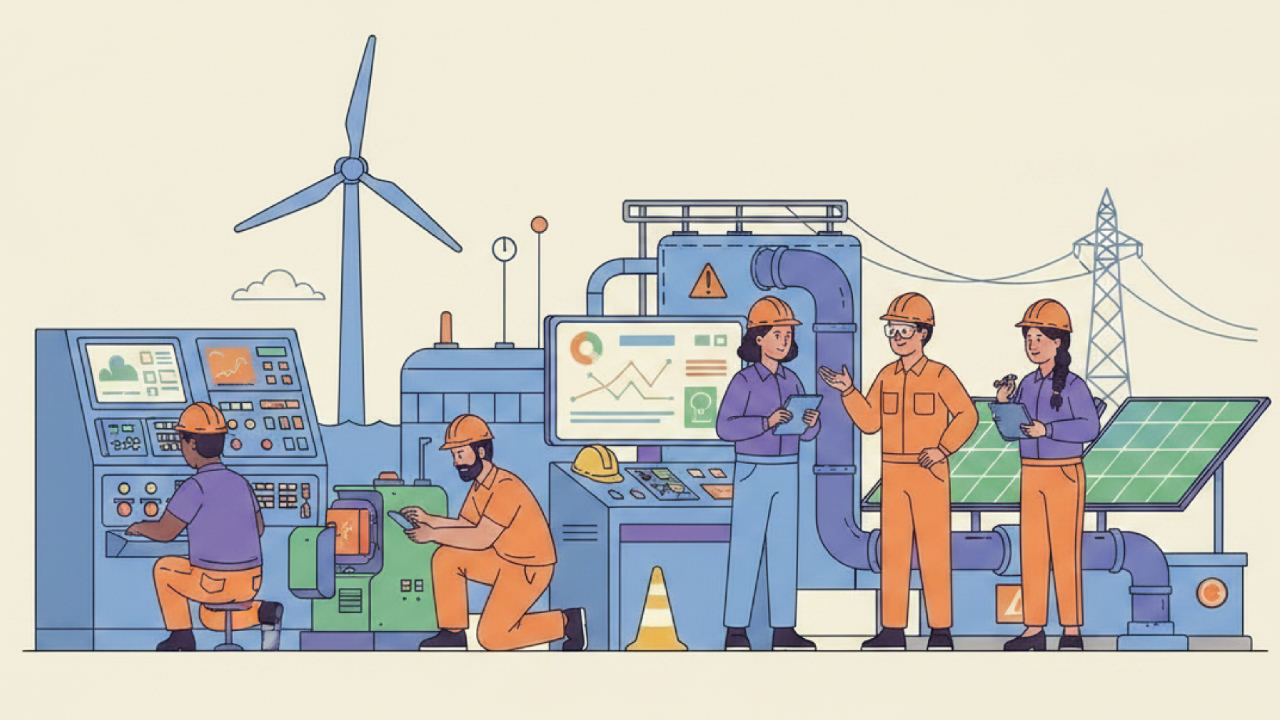
Energy
Join the energy sector, powering change through innovation and sustainability. Opportunities exist for hands-on and technical roles, all contributing to local and national progress.
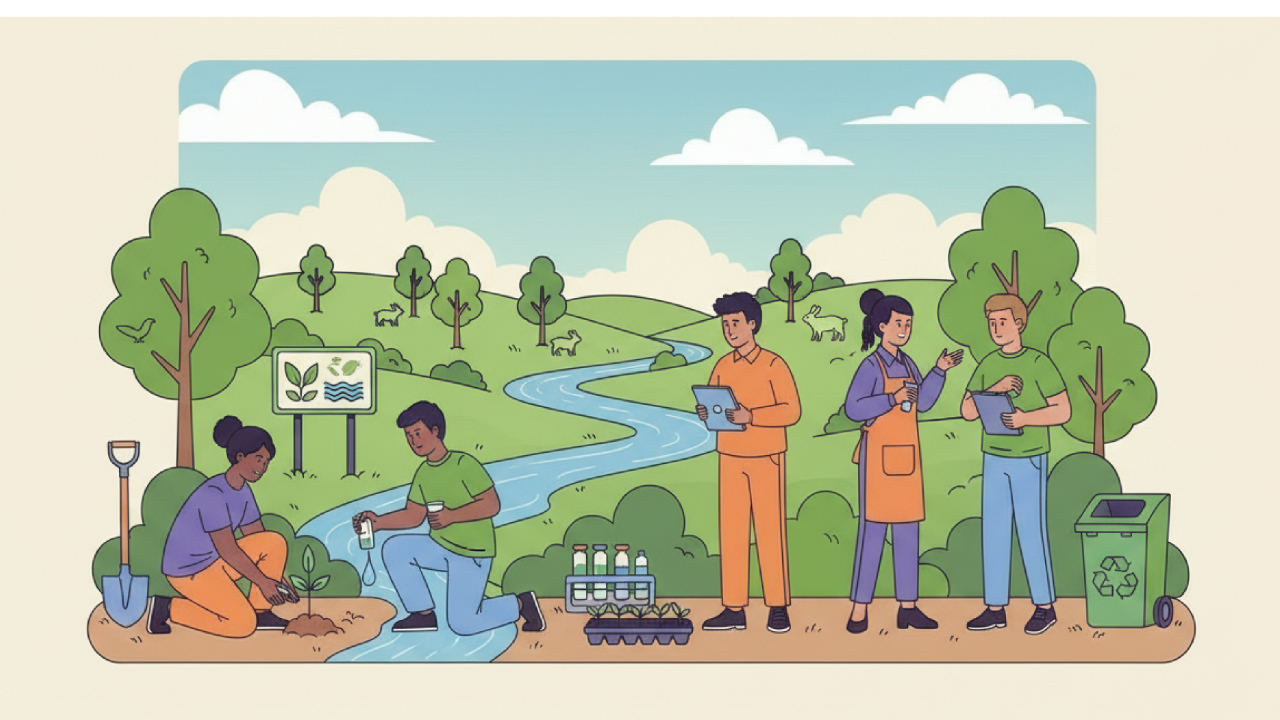
Environmental Services
Make a local impact in environmental services. Roles focus on sustainability, conservation, and community health—ideal for those passionate about protecting our planet and supporting local initiatives.
Mining & Extraction
Join mining & extraction, where safety, teamwork, and adaptability are key. Accessible roles contribute to local industry while supporting responsible resource management.
Science & Research
Explore, discover, and solve the big questions. Science and research offers young people the chance to push boundaries — from lab bench to field work — with growing demand for curious, analytical minds.
Utilities
Join the utilities sector, where reliability and practical skills keep communities running smoothly. Accessible opportunities support local infrastructure and essential services.
Environmental Studies & Sustainability is about understanding natural systems and finding realistic ways for people and the planet to thrive together. It may feel like “just a subject” or “just something you enjoy”, but it can reveal useful strengths, working preferences and routes into the real world.
- tracking energy, water or waste at home
- following climate and wildlife stories
- joining a clean-up, gardening or conservation activity
- asking where products come from
- noticing changes in local green spaces
Environmental Studies & Sustainability is a useful clue, not a label. It shows what catches your attention, how you approach challenges and what kind of progress feels satisfying. You do not need to be the best at it for it to count. Curiosity, practice and the way you respond when something goes wrong can all be evidence of strengths.
Budi combines this signal with your other interests, experiences and preferences. One activity can lead towards several industries, and the same strength can show up in many different jobs.
- collecting and interpreting environmental evidence
- understanding ecosystems and cause and effect
- weighing social, economic and environmental trade-offs
- planning practical improvements
- explaining complex issues clearly
- systems thinking
- curiosity
- evidence-led judgement
- long-term thinking
- care for communities
- practical problem-solving
- Conservation and ecology
- Renewable energy and retrofit
- Environmental monitoring and consultancy
- Sustainability in business and supply chains
- Planning, policy and community engagement
- Agriculture, forestry and land management
These are examples rather than a fixed list. Entry routes can include college, sixth form, apprenticeships, volunteering, short courses, self-directed projects and learning on the job.
Easy start: Audit one day of household waste and identify one realistic reduction.
Medium: Compare the environmental impact of two everyday choices using reliable sources.
Stretch: Join a local project or design a simple sustainability campaign with a measurable goal.
When Budi sees environmental studies & sustainability, it looks for evidence in what you actually did: the decisions you made, skills you practised, problems you solved and ways you helped other people. It uses those signals to suggest role types, industries and realistic next steps. It is here to widen your options, not box you in.
There is no single “right” way to take part. You can adapt the pace, tools, environment, communication method or physical demands. Digital versions, assistive technology, seated approaches, quieter spaces, extra processing time and support from another person can all count. Choose safe, accessible settings and ask schools, clubs, training providers or employers about reasonable adjustments. Watching, planning, researching, organising and supporting others are real forms of participation too.
- Geography
- Biology
- Agriculture & Land-based Studies
- Gardening & Growing
- Sustainability & Eco Living