Content Hub / Explore
Playing a Musical Instrument
Learning an instrument — guitar, piano, drums, violin, or anything else — builds discipline, creativity, and the ability to work with others in bands or orchestras. It opens doors in music production, education, therapy, and the entertainment industry.
Where this leads
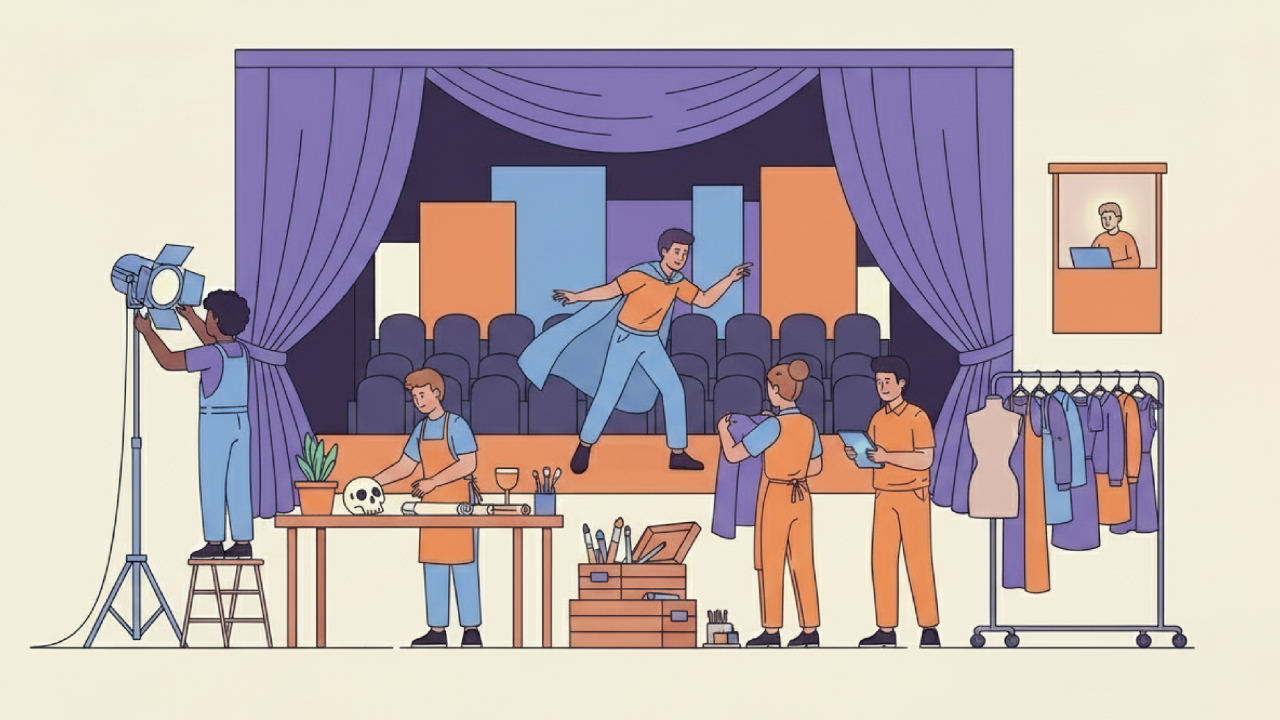
Arts & Culture
Bring ideas to life and shape how people experience the world. Arts and culture careers reward creativity, passion, and the courage to express yourself — with growing opportunities in digital, live events, and community programmes.
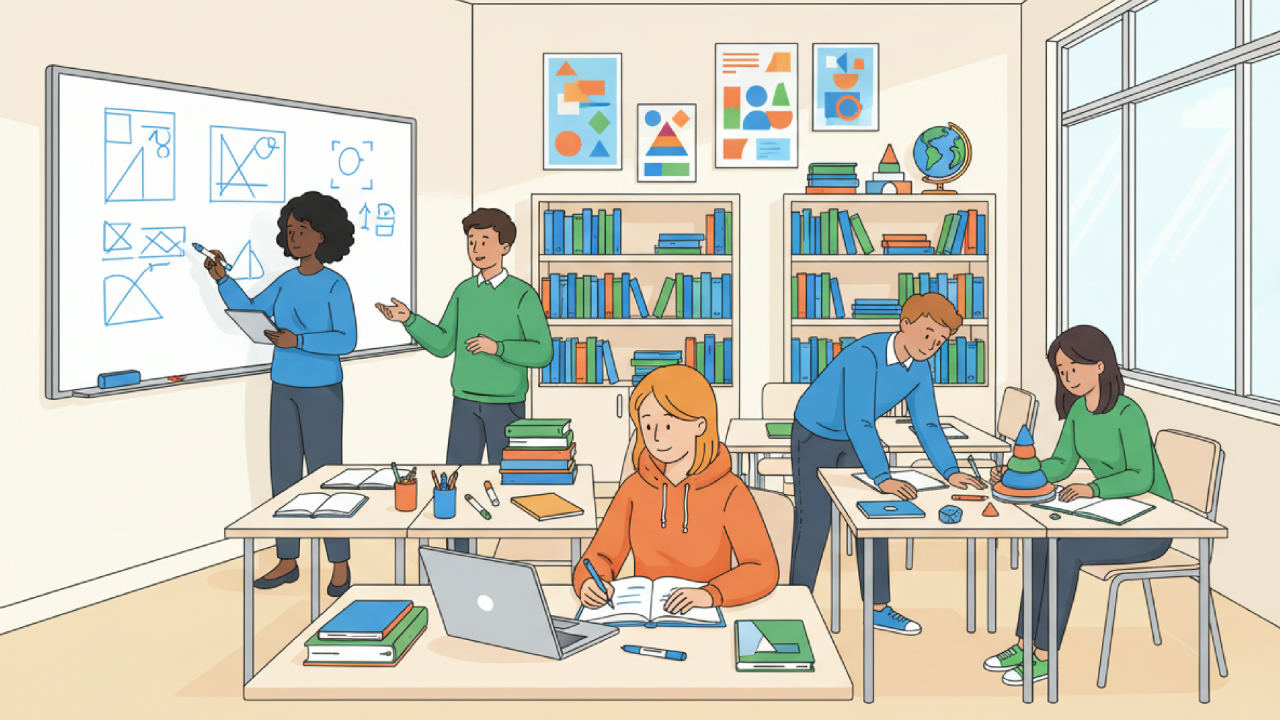
Education
Shape the future in education, supporting learners of all ages. Whether you’re organized, empathetic, or a great communicator, there’s a place for your strengths in schools, training, and community learning.

Entertainment & Media
Step into entertainment and media, where creativity and collaboration are celebrated. From production to digital content, this industry values real-world skills and diverse perspectives.
Health & Wellness
Support wellbeing in health & wellness roles. This sector values empathy, communication, and practical skills, with accessible pathways for all backgrounds to foster local health.
Whether you keep a daily journal, create elaborate scrapbooks, or combine journaling with illustration, journaling and scrapbooking are practices of intentional reflection and creative preservation. You're capturing moments, processing thoughts, and creating something beautiful in the process.
- Keeping a daily or regular journal or diary
- Collecting and organising memories through scrapbooking
- Combining writing with illustration, stickers, and decorative elements
- Using journaling as a tool for processing emotions or planning
- Creating themed journals (gratitude journals, project planning, goal tracking)
- Decorating pages artistically and creatively
- Collecting mementos and arranging them meaningfully
- Sharing journaling and scrapbooking work online or with communities
Journaling and scrapbooking interest is a strength signal because it demonstrates self-reflection, intentionality, and the ability to document and organise information creatively. You're learning to process your thoughts and emotions through writing. You're also making decisions about what's worth preserving and how to present it — this teaches curatorial thinking and information architecture. Scrapbooking especially teaches organisation and visual composition. The act of journaling is also increasingly recognised as beneficial for mental health, emotional regulation, and reflection. You're developing the habit of looking inward and making sense of your experience.
- Reflecting on experiences and translating them into written form
- Organising information, memories, and ideas
- Arranging visual elements (photos, stickers, drawings) aesthetically
- Making decisions about what's worth documenting
- Combining text with images for impact
- Creating thematic coherence across a journal or scrapbook
- Using various materials and techniques (watercolour, collage, calligraphy)
- Maintaining a practice over time
- Self-awareness: You understand yourself through reflection
- Communication: You translate experience into writing
- Creativity: You combine elements artistically
- Attention to detail: You curate what's worth preserving
- Organisation: You arrange information meaningfully
- Visual thinking: You compose visually pleasing layouts
- Mindfulness: You practise being present and reflective
- Emotional intelligence: You process feelings through journaling
- Publishing and editorial: Editors and publishers work with the written word
- Graphic design and layout: Designers arrange visual and textual information
- Therapy and counselling: Therapists use journaling as a therapeutic tool
- Content creation and blogging: Content creators document and share experience
- Curation and museums: Curators select and arrange what's worth preserving
- Library and information science: Librarians organise information
- Personal development and coaching: Coaches use journaling for reflection
- Photography and visual storytelling: Photographers document moments meaningfully
- History and archiving: Archivists preserve and organise historical records
- Mental health and wellbeing: Wellness practitioners recommend journaling
Easy start: Buy a simple notebook and commit to writing three pages a day for a week. Don't aim for perfection — write about your day, your thoughts, whatever comes. Notice how it feels to slow down and reflect.
Medium: Create a themed journal for something you care about — a gratitude journal, a project planning journal, or a travel journal. Spend time decorating pages with colour, drawings, or meaningful elements. Make it beautiful and personal.
Stretch: Create a scrapbook or elaborate journal documenting a specific period, theme, or project. Collect materials (photos, tickets, notes, mementos) and arrange them artistically. Make it something you'd be proud to look back on years later.
When we see journaling and scrapbooking interests, we're noting self-reflection, intentional curatorial thinking, and the ability to combine text with visual elements meaningfully. We're looking for evidence of organisation, creativity, and the discipline to maintain a practice. These skills signal readiness for careers in publishing, editorial, therapy, design, curation, and any field requiring thoughtful communication and visual-textual composition.
Journaling and scrapbooking can be adapted for various abilities. If you have hand mobility challenges, digital journaling, voice-to-text, or adapted writing tools exist. If you're blind or have low vision, audio journaling or large-print journaling work well; scrapbooking can be tactile rather than visual. If you're deaf or hard of hearing, journaling is a written practice naturally suited to you. If you have ADHD or dyslexia, voice recording thoughts first and transcribing later, or using bullet-point journaling, can help. If you're neurodivergent, the structured, creative nature of journaling might be deeply grounding. There's no single "right" way to journal or scrapbook — your way is valid and valuable.
- Creative writing and storytelling (expressing yourself through narrative)
- Art and illustration (visual expression and composition)
- Photography and visual documentation (capturing moments)
- Organisation and planning (systems for managing information)
- Mental health and wellbeing (journaling for reflection)
- Library science and curation (preserving and organising)
- History and heritage (documenting for the future)