Content Hub / Explore
Space & Astronomy
Fascinated by the stars, planets, and the universe? Space and astronomy spark curiosity about physics, engineering, data science, and exploration. They connect to careers in aerospace, research, science communication, education, and defence.
Where this leads
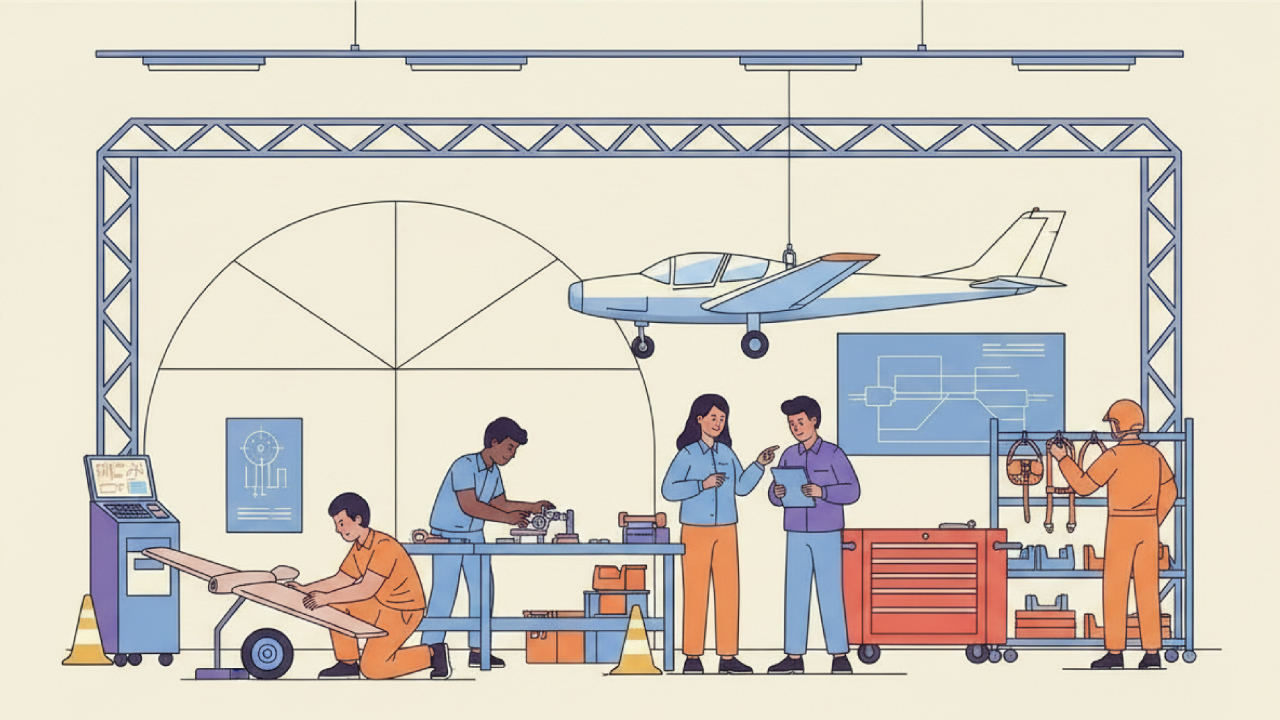
Aerospace & Defence
Discover careers in aerospace & defence, where innovation and teamwork drive progress. Find roles that value practical skills and creative problem-solving, making a real difference in local and global communities.
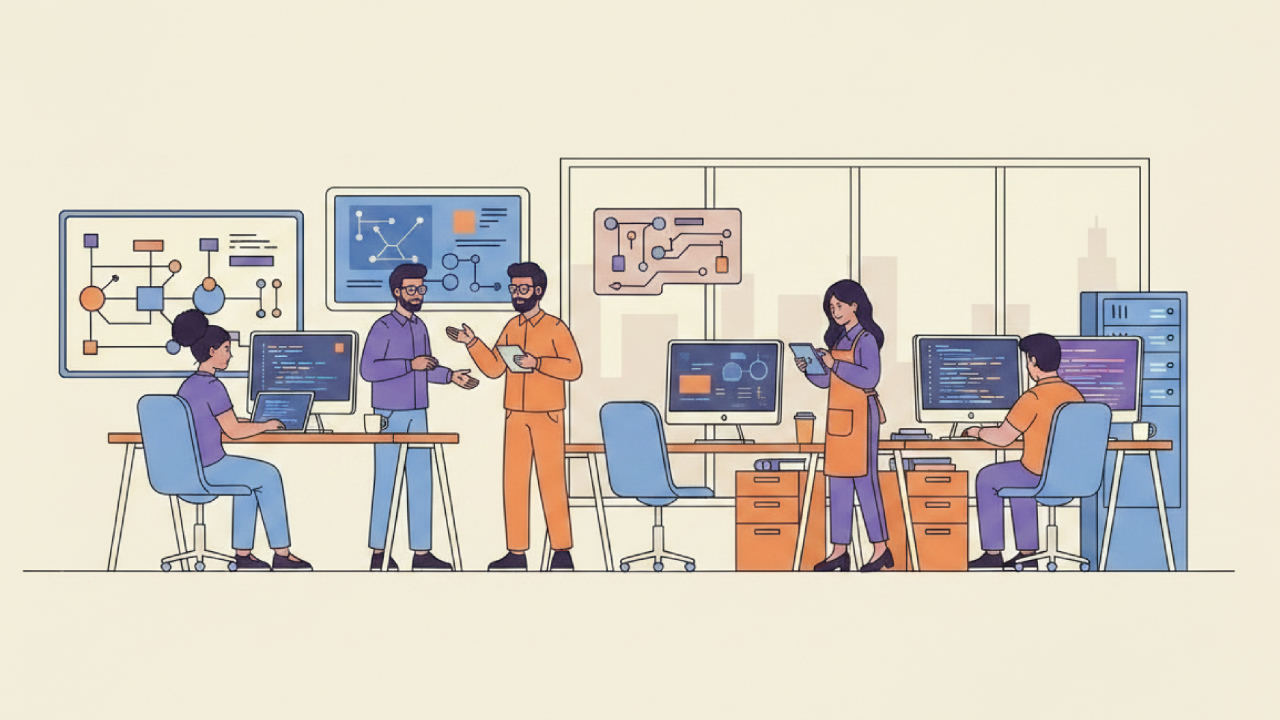
Digital & Tech
Digital and tech careers are perfect for curious, adaptable problem-solvers who love working with technology and new ideas. Whether you’re interested in coding, design, IT support, or digital innovation, this sector values creativity, teamwork, and a drive to keep learning.
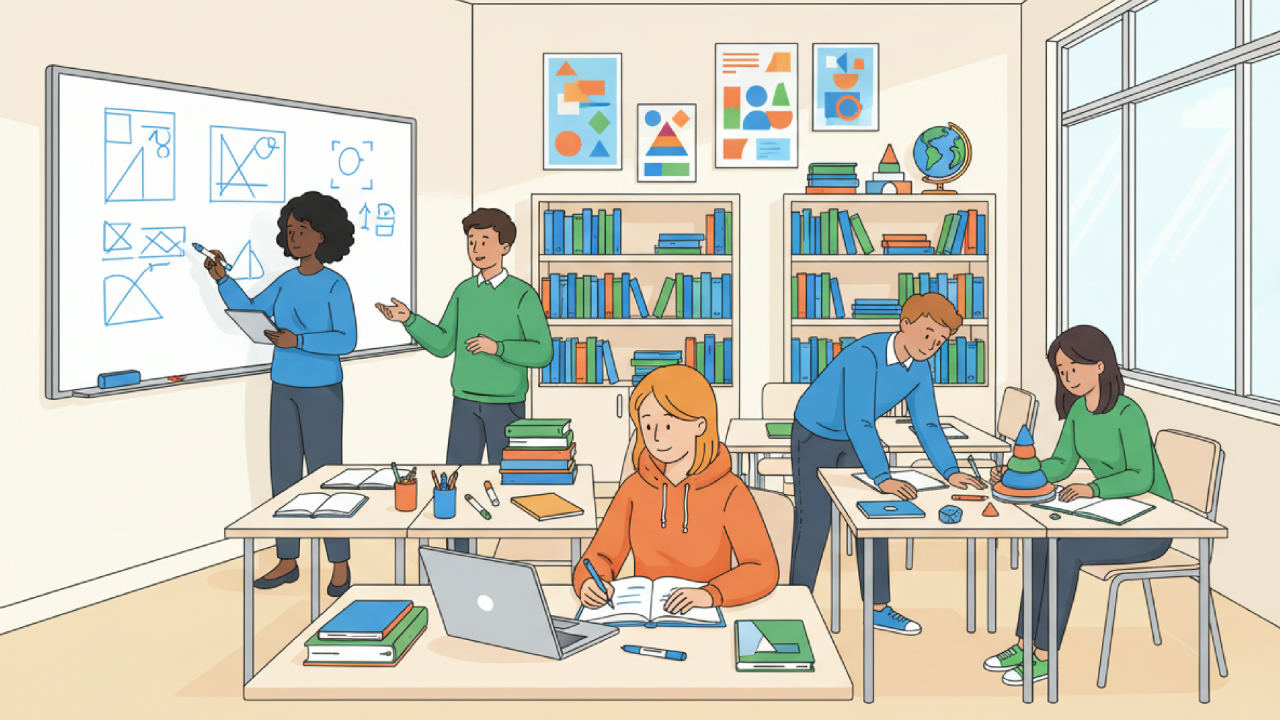
Education
Shape the future in education, supporting learners of all ages. Whether you’re organized, empathetic, or a great communicator, there’s a place for your strengths in schools, training, and community learning.
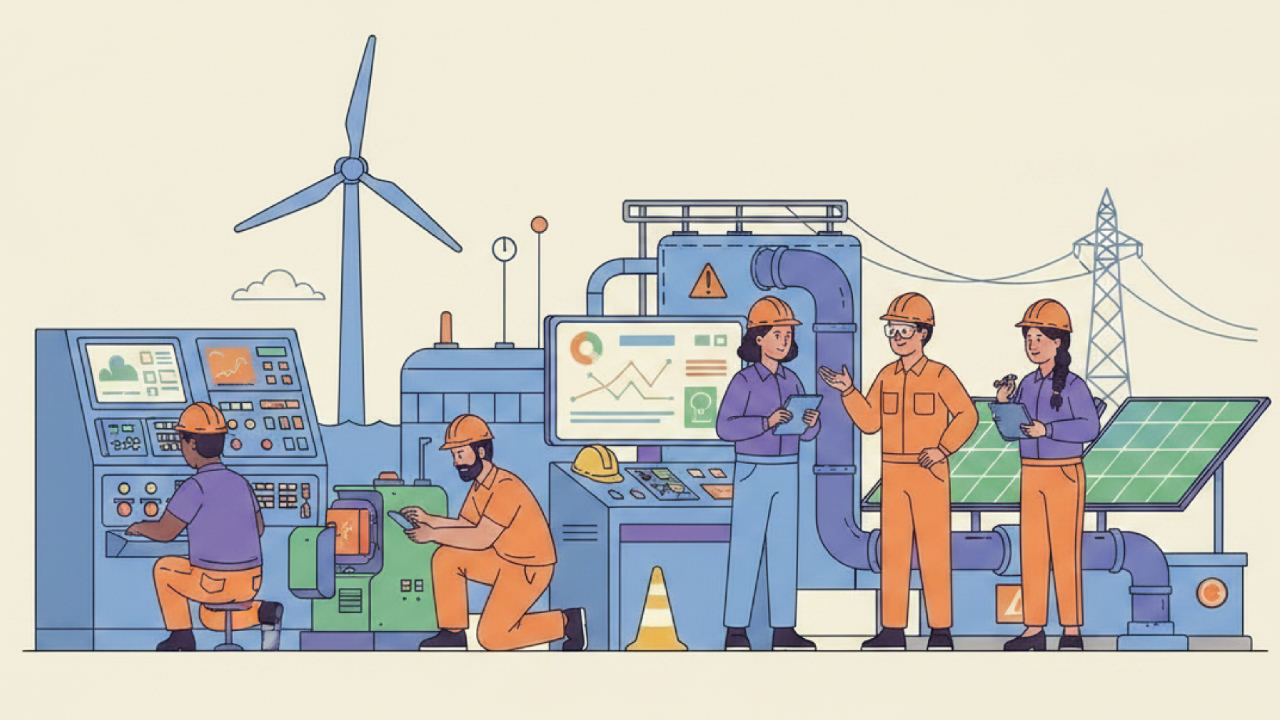
Energy
Join the energy sector, powering change through innovation and sustainability. Opportunities exist for hands-on and technical roles, all contributing to local and national progress.
Engineering
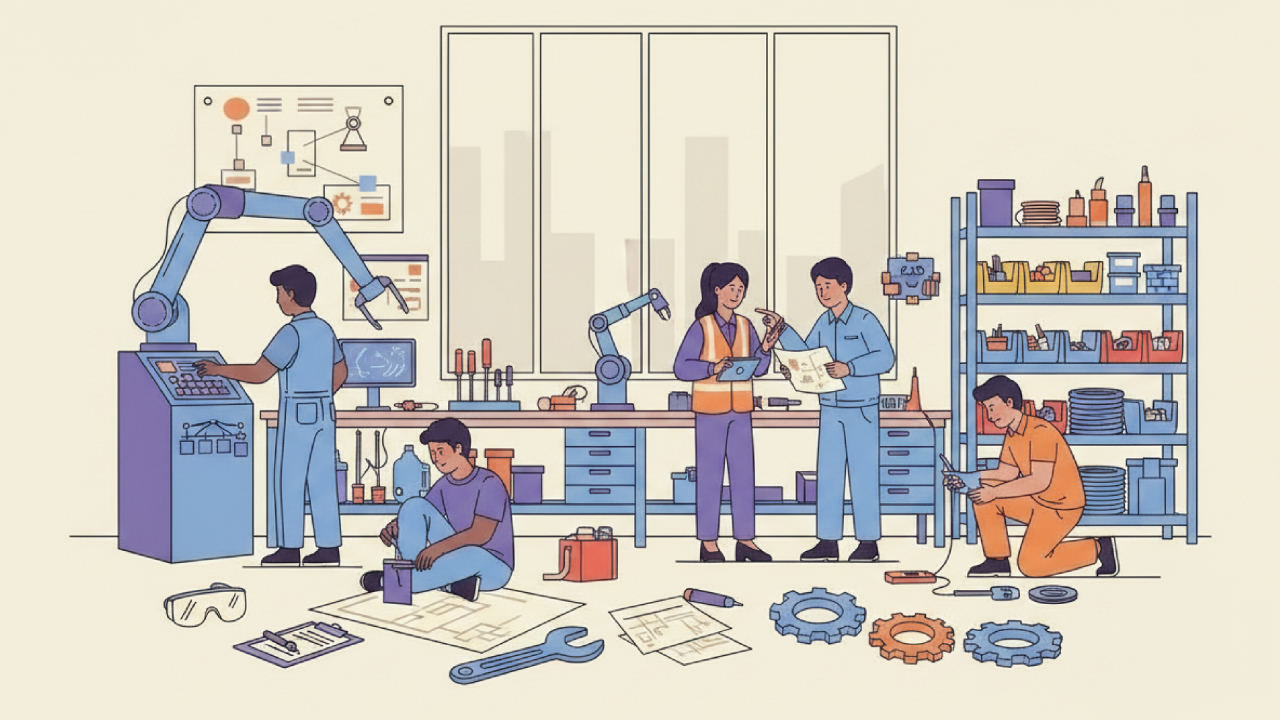
Engineering offers pathways for problem-solvers and makers. Whether you love building, designing, or improving systems, your skills can help drive local innovation and sustainable solutions.
Science & Research
Explore, discover, and solve the big questions. Science and research offers young people the chance to push boundaries — from lab bench to field work — with growing demand for curious, analytical minds.
Space and astronomy is about exploring the universe—stars, planets, black holes, and the infinite questions they raise. It can lead to careers in aerospace engineering, astrophysics, space technology, planetarium education, or science communication. It builds curiosity, mathematical thinking, and wonder at complexity.
This page shows what space and astronomy looks like in real life, what strengths it can build, and a few low pressure ways to try it, even if you've never thought of yourself as a "space person".
- Being fascinated by space, planets, stars, or the night sky.
- Watching space documentaries, following space agencies, or reading about discoveries.
- Using apps or telescopes to look at the sky, identifying constellations or planets.
- Being interested in physics, mathematics, or how the universe works.
- Following missions like NASA's, SpaceX, or ESA launches.
- Writing or imagining about space, science fiction, or future space exploration.
- Playing astronomy or space simulation games.
Space and astronomy is a brilliant signal for people who are curious, think big, and want to understand fundamental questions about existence. It requires mathematical thinking and scientific rigour, but it's driven by wonder and imagination—a powerful combination.
Budi treats space and astronomy as a clue for curiosity, analytical thinking, systems understanding, and the ability to engage with complexity. You're building mathematical skills, understanding of physics, familiarity with current discoveries, and the ability to communicate wonder and knowledge.
- Observe and measure, using telescopes, instruments, collecting data systematically.
- Understand physics and mathematics, applying laws of motion, gravity, thermodynamics.
- Analyse and model, interpreting data, using computers to simulate, building understanding.
- Communicate findings, writing papers, presenting research, explaining to non-specialists.
- Engineer and design, if building spacecraft or instruments: solving real problems with constraints.
- Teach and inspire, sharing knowledge, making space accessible and exciting to others.
- Scientific and mathematical thinking, understanding complex systems, problem-solving rigorously.
- Curiosity and wonder, engaging with big questions, maintaining enthusiasm for learning.
- Attention to detail and precision, collecting data carefully, noting small variations.
- Perseverance and patience, projects spanning years, dealing with uncertainty and false leads.
- Creativity and imagination, theorising about the unknown, designing new approaches.
- Communication of complexity, explaining advanced concepts accessibly, inspiring others.
- Aerospace and space agencies
- NASA, ESA, space agencies worldwide, spacecraft design and operations.
- Example roles: engineer, technician, mission control operator, researcher assistant.
- Research and academia
- Universities, observatories, research institutes, astrophysics departments.
- Example roles: research assistant, observator technician, academic support.
- Space technology and private companies
- SpaceX, satellite companies, communications, Earth observation.
- Example roles: engineer, technician, software developer, operations support.
- Planetariums and science education
- Planetariums, science museums, science communication, public outreach.
- Example roles: educator, technician, planetarium operator, science communicator.
- Data analysis and computing
- Processing astronomical data, software development, IT support for space organisations.
- Example roles: data analyst, software engineer, IT support, systems administrator.
Easy start, 10 to 15 mins. Download a stargazing app (Stellarium, SkySafari, or similar). Identify three constellations, planets, or bright stars visible tonight or this week. Learn their names and one fact about each.
Medium, 30 to 45 mins. Watch a recent space discovery or mission—a Mars rover finding, a new exoplanet, a space station activity. Research: What was discovered? Why does it matter? What was surprising? Write a summary for a friend.
Stretch, 1 to 2 hours. If you have access to a telescope or binoculars, look at the moon, Jupiter, Saturn, or a star cluster. Notice details: craters on the moon, cloud bands on Jupiter, individual stars in a cluster. Or visit a planetarium and take notes on what interests you most.
Space and astronomy can act as a helpful signal for strengths like scientific thinking, mathematical ability, curiosity, precision, perseverance, creativity, and communication. Budi combines this with other signals to suggest industries, role types, and next steps. It's not here to box anyone in; it's here to open up options they might not have seen yet.
Space and astronomy are accessible to diverse abilities. If you can't use a telescope, computer simulations, data analysis, theoretical work, and science communication don't require physical observation. If you have visual impairments, audio descriptions, accessible software, and haptic models support engagement. If you're deaf or hard of hearing, visual data, written communication, and interpreters make participation possible. If you have mobility challenges, observatorios have accessible facilities; many remote research roles don't require fieldwork. If you're neurodivergent, space's systematic nature, pattern-recognition demands, and structured knowledge can suit your mind well.
Different approaches work in space exploration—some people are experimental observers, others theoretical modellers, some are technical engineers, and some excel at communication and inspiration. All are needed to understand the universe.
- Physics, understanding forces, gravity, light, energy at fundamental levels.
- Mathematics, equations, modelling, systems thinking.
- Engineering & Manufacturing, spacecraft design, technical problem-solving, innovation.
- Computer Science & ICT, data analysis, simulation, software development.
- Geography, understanding our planet's place, Earth observation, global systems.